To boldly go: the urgent need for a revitalized investment in space technology by John C. Mankins
Introduction
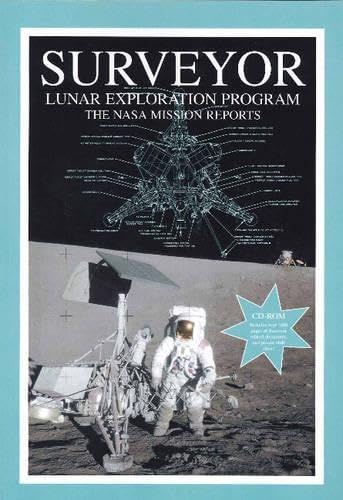
At the beginning of the space age, the United States realized that preeminence in space exploration and development could only be achieved through a commitment to robust investments in advanced space research and technology. Starting with the Kennedy Administration, and continuing until just the past four years, the US civil space program has been characterized not only by remarkable achievements in space (e.g., Surveyor, Mercury, Pioneer, Gemini, Apollo, and other programs), but also by ambitious investments in space technology. For example, in the mid-1960s, NASA’s investment in advanced space research and technology was approximately $1 billion per year (in current year dollars), and was directed toward truly ambitious technical objectives such as nuclear propulsion, high-energy cryogenic engines, thermal protection for reusable launch vehicles, electric propulsion, solar energy, automation and robotics, and more. For its day, NASA’s advanced space research and technology program was truly transformational—pressing the frontiers in technology and enabling the space missions of the 1970s and 1980s to achieve goals that were unimaginable for any other nation in the world.
That foundation of research and technology investments resulted not only in new “widgets” to put on the shelf, but also in a variety of important new space systems concepts, companies, and individual subject matter experts—the human foundations of excellence in the aerospace industry of the 1970s, 1980s, and beyond. This “orchard of innovation” yielded missions such as the Viking landers and orbiters at Mars (1976) and the Voyager missions to the outer planets; systems such as the Space Shuttle (1981–present); and, international initiatives such as the International Space Station (1982–present). At the same time, these technological foundations (systems, technologies, facilities, and skilled people) benefited a wide range of critical national security space missions.
Unfortunately, the US investment in advanced research and technology for space exploration and development has been reduced to historically low levels, and concurrently has been focused more narrowly than ever before on immediate system designs and development projects. In many respects, the current budget is little more than an “advanced development” program with minimal opportunity for innovation and essentially no possibility that an invention arising from civil space research and technology programs could influence system design decisions, inform budget estimates or inspire new, more ambitious space program goals.