National Space Society

Share:

Facebook
X
Pinterest
LinkedIn

Progress at ISS
Image Credit: NASA

With the extension of the lifetime of the International Space Station to 2020, and perhaps beyond, the maintenance and resupply of the station becomes critical. This is the third in a series examining the international effort to maintain a robust human mission on the ISS.

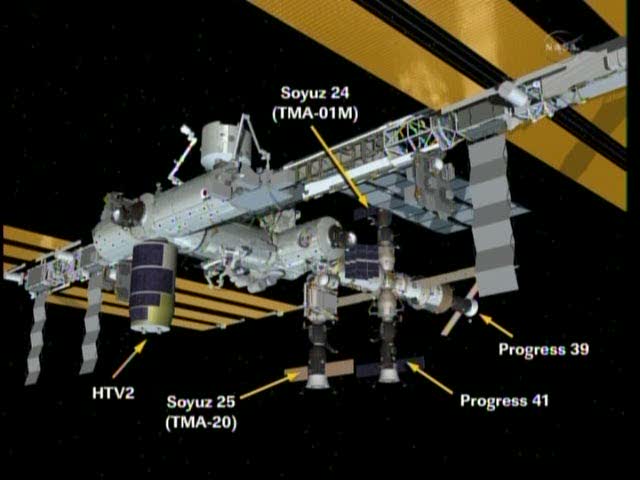
The Russian resupply vessel Progress M-09M (P41) docked with the Pirs module of the International Space Station (ISS) on 30 January 2011. It is the second of three resupply spacecraft that will arrive in close succession early in 2011.

Previously, the Japanese HTV2 cargo vessel “Kounotori” docked with the Harmony module on the International Space Station on 27 January 2011. Progress M-07M (P39) undocked from the Zvezda module on the ISS on Sunday 20th February at 1:12 PM GMT, to make way for the European Space Agency’s “Johaness Kepler” ATV-2 resupply mission, which launched on 16 February 2011, and is expected to dock on 24 February.

During the undocking, Russian thrusters were in control of the station’s attitude control. US Control Moment Gyroscopes (CMGs) resumed control of the ISS later on Sunday. Following the undocking, 39P was commanded to conduct it’s de-orbit burn for a destructive re-entry over the Pacific Ocean at 4:12 PM GMT on Sunday.

On 25 February, STS-133 Discovery is expected to launch and dock two days later with the ISS. Kounotori will be moved to the top of the Harmony module (facing away from Earth) and Discovery will dock at the port facing Earth.
Progress M
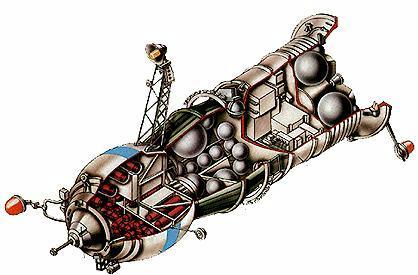
Cross Section of the Progress M Spacecraft
Image Credit: RKK Energia

Progress M-09M will supply 2,666 kilograms (5,880 lb) of cargo to the space station, including:

  • 1,444 kilograms (3,180 lb) of dry cargo
  • 752 kilograms (1,660 lb) of propellant
  • 50 kilograms (110 lb) of oxygen
  • 420 kilograms (930 lb) of water
Share:

Facebook
X
Pinterest
LinkedIn
Picture of By National Space Society

By National Space Society

1 thought on “Progress”

Leave a Comment

Don't Miss a Beat!

Be the first to know when new articles are posted!

Search
Categories

Follow Us On Social Media

JOIN THE
GREATEST ADVENTURE

Give The Gift Of Space: Membership For Friends and Family

Book Review

desigining farms in space

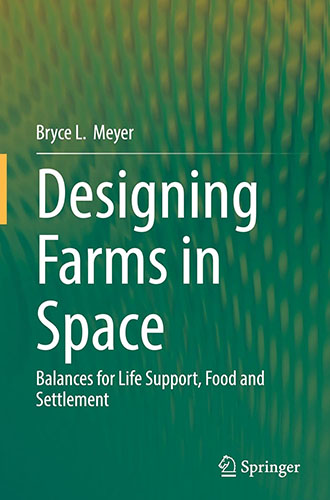
Book Review: Designing Farms in Space

Meyer’s academic textbook is loaded with numerous photographs, diagrams, charts, and graphs. There are chapters on subjects such as farm machines, animal and fungi production, plant and algae production, and space menus. The farming techniques outlined in the book can be applied to lunar, Martian, or rotating space settlements.

Read More »
Archives


Hilton McLean Tysons Corner, McLean, Virginia
June 4 - 7, 2026

Recent Blog Posts

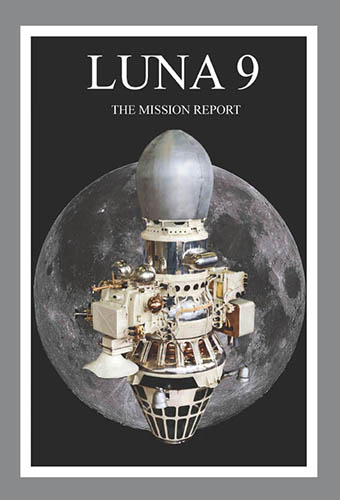
Back in 1966, Luna 9 became the first spacecraft to soft-land on the Moon. Apogee Books has provided an English-language NASA translation of a detailed...

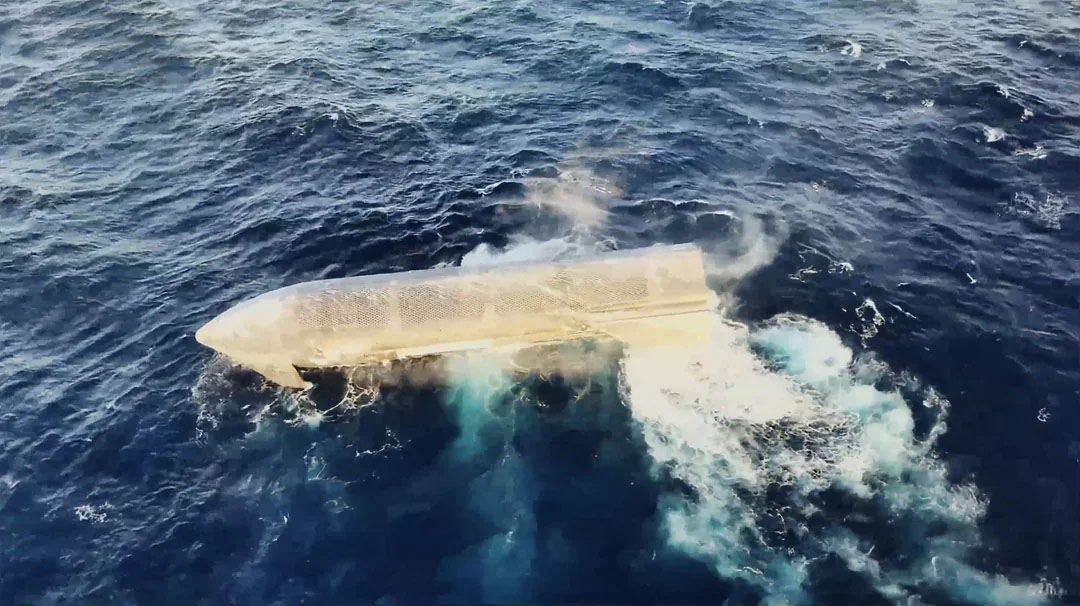
By Burt Dicht NSS Space Coast Correspondent Image: Starship 13 after “landing” in the Indian Ocean. Last week I had the opportunity to speak to...

On July 20, 2026, 151 people gathered for a special brunch at Space220 in EPCOT at Walt Disney World to celebrate National Space Exploration Day,...

Today, on the 57th anniversary of the Apollo Moon landing, this inspiring song commemorating the past and the future of our presence on the Moon...

The National Space Society (NSS) today announced that it is delivering a letter to Congress and the Administration addressing concerns and recommendations regarding NASA’s draft...

The National Space Society invites you to the next Space Forum Thursday, July 23, 2026, 8:00 pm to 9:15 pm EST Artemis II and Our...

The competition offers cash prizes totaling $32,000 USD for the best three business plans that will serve to advance, in some way, the movement of...
Meyer’s academic textbook is loaded with numerous photographs, diagrams, charts, and graphs. There are chapters on subjects such as farm machines, animal and fungi production,...
adastra magazine

Your Doorway to New Worlds