National Space Society

NSS Position Paper: Supporting a Resilient ISRU Development Strategy after VIPER Cancellation

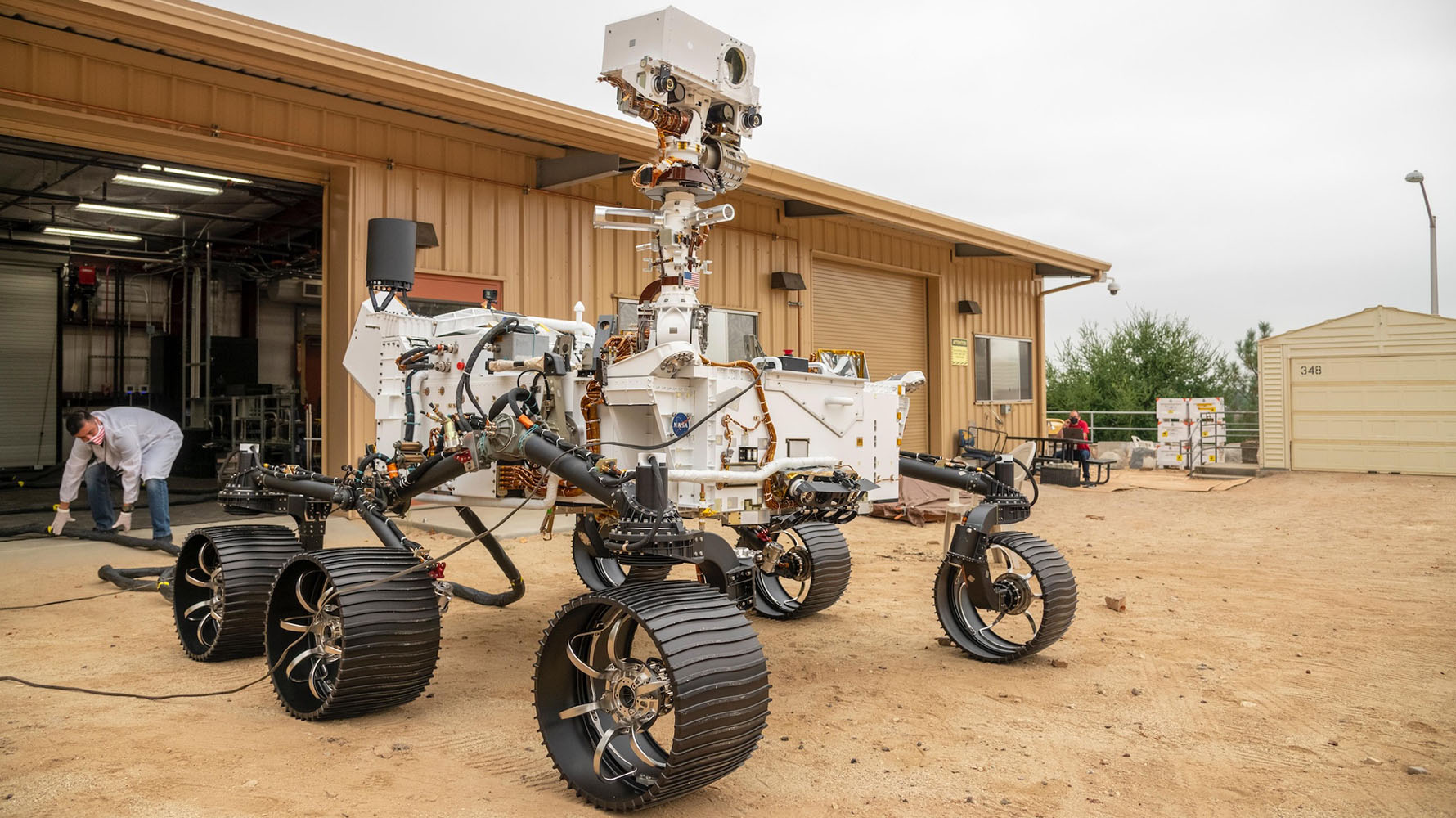
VIPER

Share:

Facebook
X
Pinterest
LinkedIn

Executive Summary

The recent NASA proposal to cancel the VIPER mission underscores the significant risks inherent in large, complex, and high-cost lunar missions. However, VIPER is not just another mission; it is a cornerstone of NASA’s Artemis program, directly supporting the long-term goals of sustainable lunar exploration and resource utilization. Without VIPER, the Artemis program risks falling short of its transformative potential, reducing it to little more than a repeat of the Apollo missions.

The National Space Society supports the continuation of the VIPER mission, whether led solely by NASA or in collaboration with commercial partners. However, with VIPER’s future uncertain, we additionally propose that NASA consider adopting a different approach to lunar exploration, as outlined in the NASA-funded Evolvable Lunar Architecture (ELA) report. This report advocates for multiple small, low-cost commercial rovers sourced from multiple providers, which eliminate the risk of single-point failure and promote dissimilar redundancy. Additionally, it broadens the scope of resource identification and characterization necessary for establishing economically viable reserves. This strategy aligns with the Commercial Lunar Payload Services (CLPS) program and fosters competitive entrepreneurship in space exploration to drive future innovation.

Read full NSS Position Paper.

Share:

Facebook
X
Pinterest
LinkedIn
Picture of By National Space Society

By National Space Society

Leave a Comment

Don't Miss a Beat!

Be the first to know when new articles are posted!

Search
Categories

Follow Us On Social Media

JOIN THE
GREATEST ADVENTURE

Give The Gift Of Space: Membership For Friends and Family

Book Review

desigining farms in space

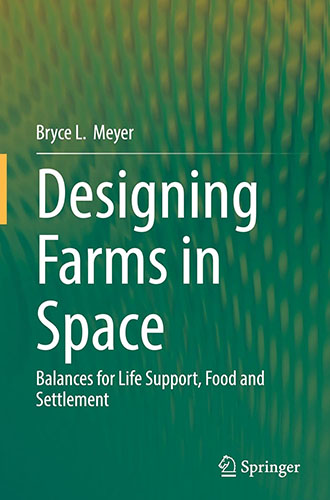
Book Review: Designing Farms in Space

Meyer’s academic textbook is loaded with numerous photographs, diagrams, charts, and graphs. There are chapters on subjects such as farm machines, animal and fungi production, plant and algae production, and space menus. The farming techniques outlined in the book can be applied to lunar, Martian, or rotating space settlements.

Read More »
Archives


Hilton McLean Tysons Corner, McLean, Virginia
June 4 - 7, 2026

Recent Blog Posts

The Space Coast has extraordinary assets and an opportunity to continue its preeminence as a spaceport while becoming a destination for a new generation of...

The National Space Society (NSS) enthusiastically welcomes NASA’s proposed PROMISE lunar lander, a bold step forward in expanding scientific access, mobility, and capability across the...

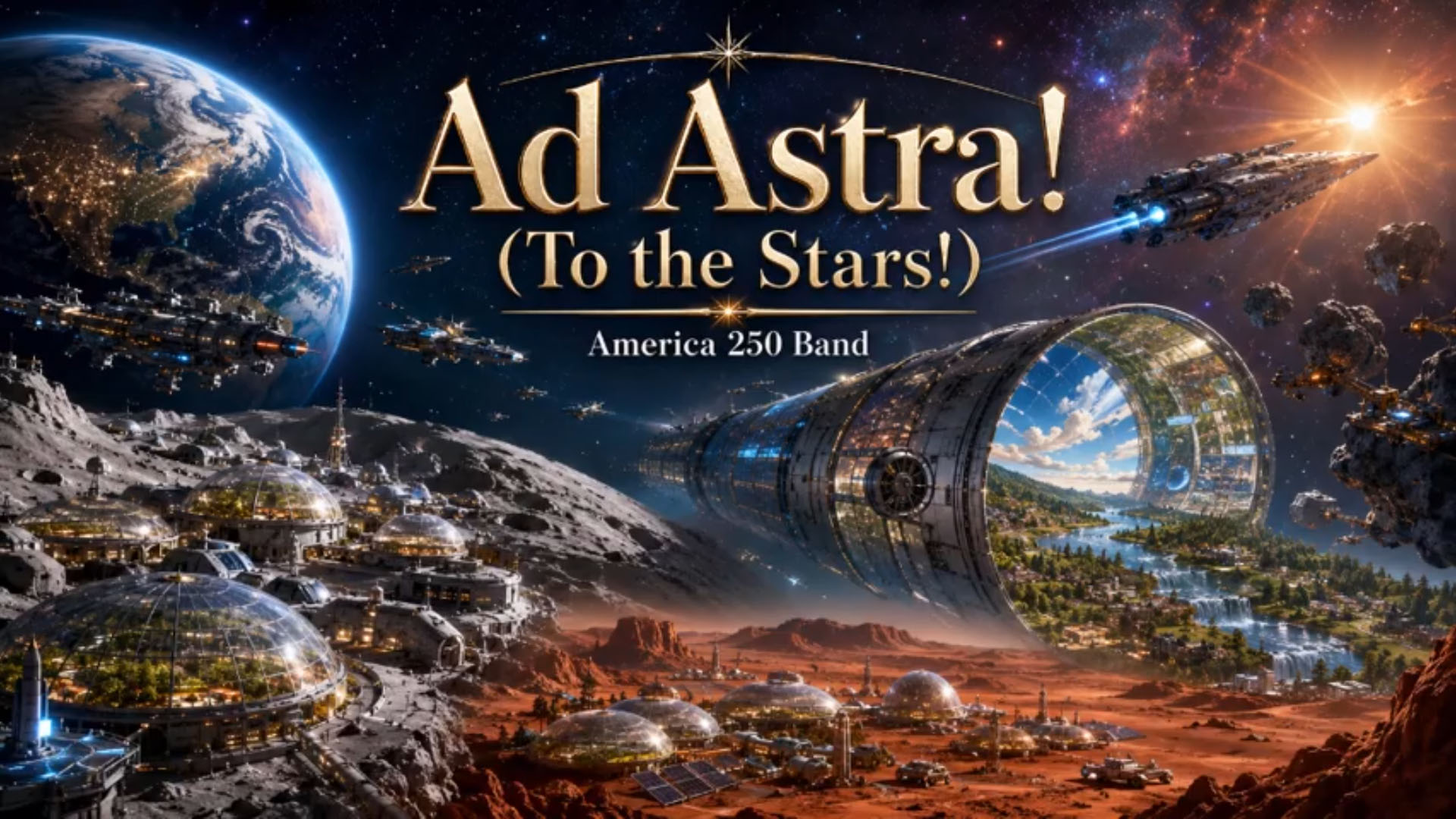
This bold song was painstakingly composed to capture the true essence of that call, "Ad Astra," and covers the future progress of humankind as it...
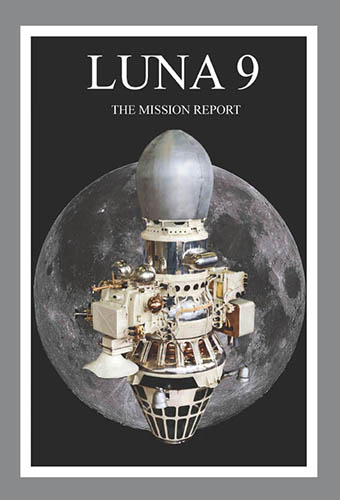
Back in 1966, Luna 9 became the first spacecraft to soft-land on the Moon. Apogee Books has provided an English-language NASA translation of a detailed...

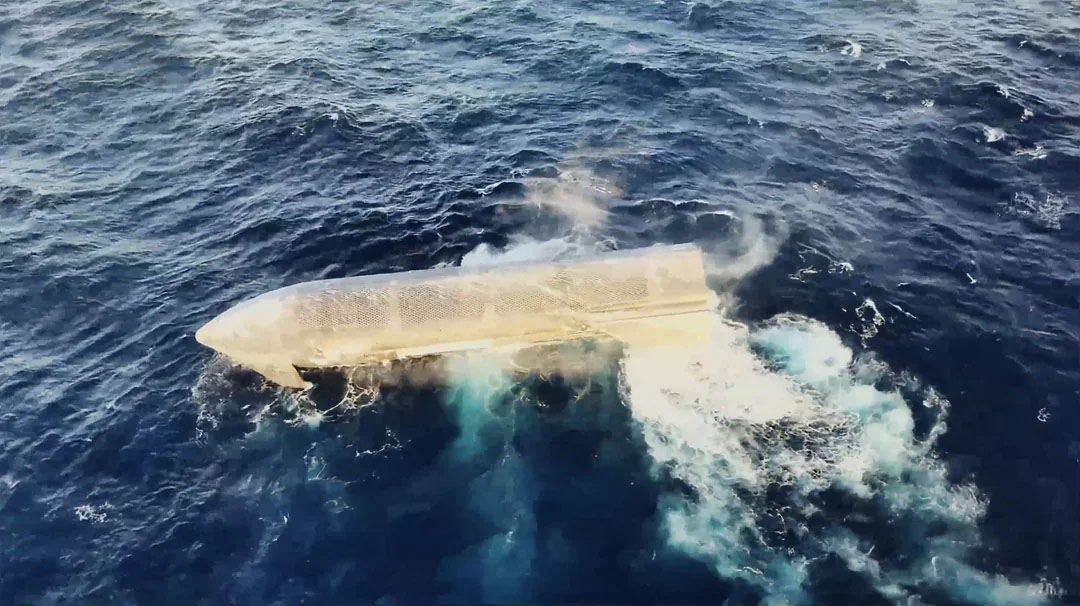
By Burt Dicht NSS Space Coast Correspondent Image: Starship 13 after “landing” in the Indian Ocean. Last week I had the opportunity to speak to...

On July 20, 2026, 151 people gathered for a special brunch at Space220 in EPCOT at Walt Disney World to celebrate National Space Exploration Day,...

Today, on the 57th anniversary of the Apollo Moon landing, this inspiring song commemorating the past and the future of our presence on the Moon...

The National Space Society (NSS) today announced that it is delivering a letter to Congress and the Administration addressing concerns and recommendations regarding NASA’s draft...

adastra magazine

Your Doorway to New Worlds