
By Burt Dicht
NSS Space Coast Correspondent
(Updated post)
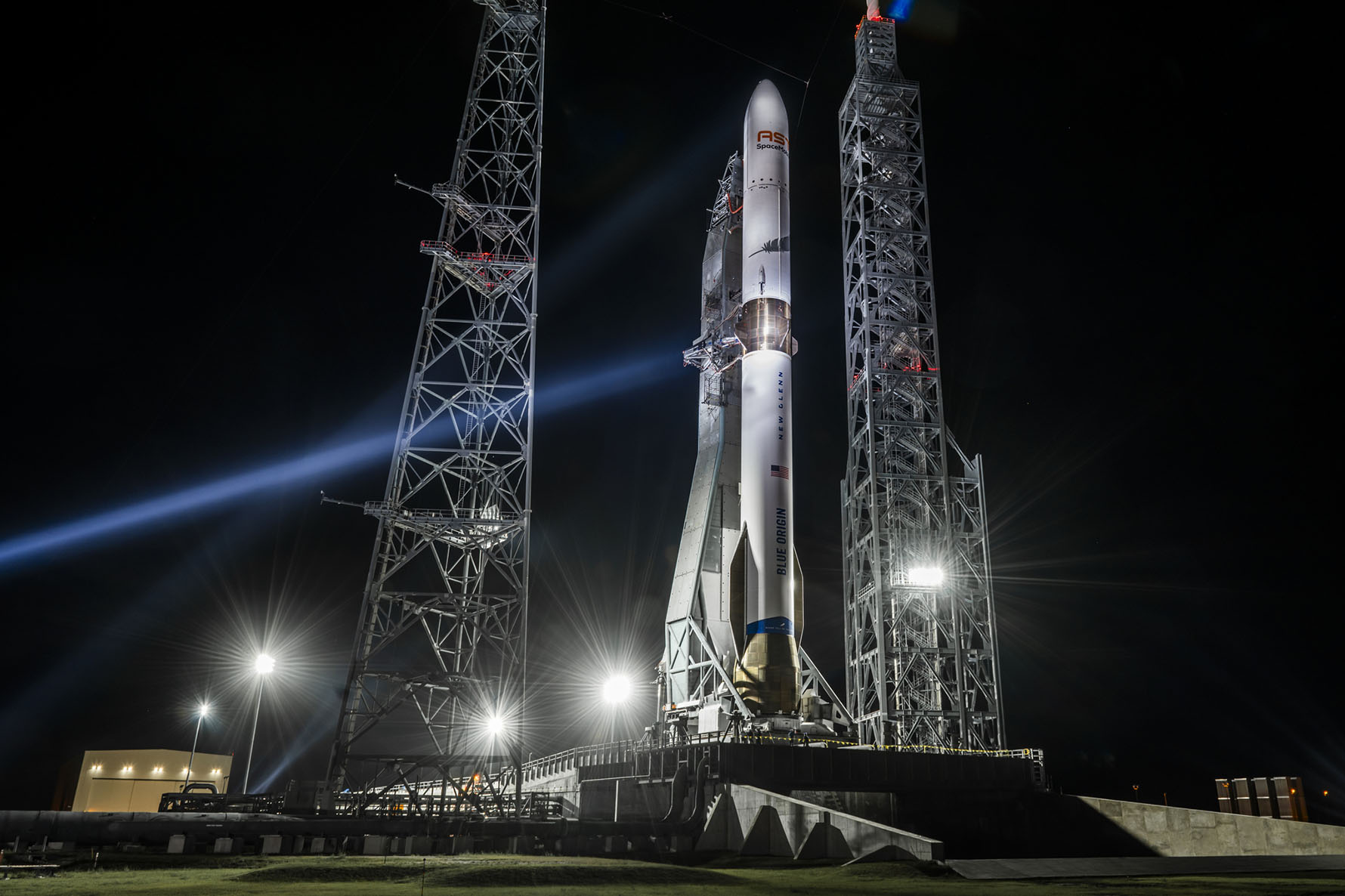
I was at Jetty Park this morning with fellow NSS member Fred Becker to witness the New Glenn‑3 launch as the Space Coast moved into daylight. The launch came at 7:25 a.m. EDT, from SLC-36 at Cape Canaveral Space Force Station, about 40 minutes into the two‑hour window. There had been a brief hold before the countdown resumed, and even through a hazy sky you could follow the vehicle from liftoff through ascent.
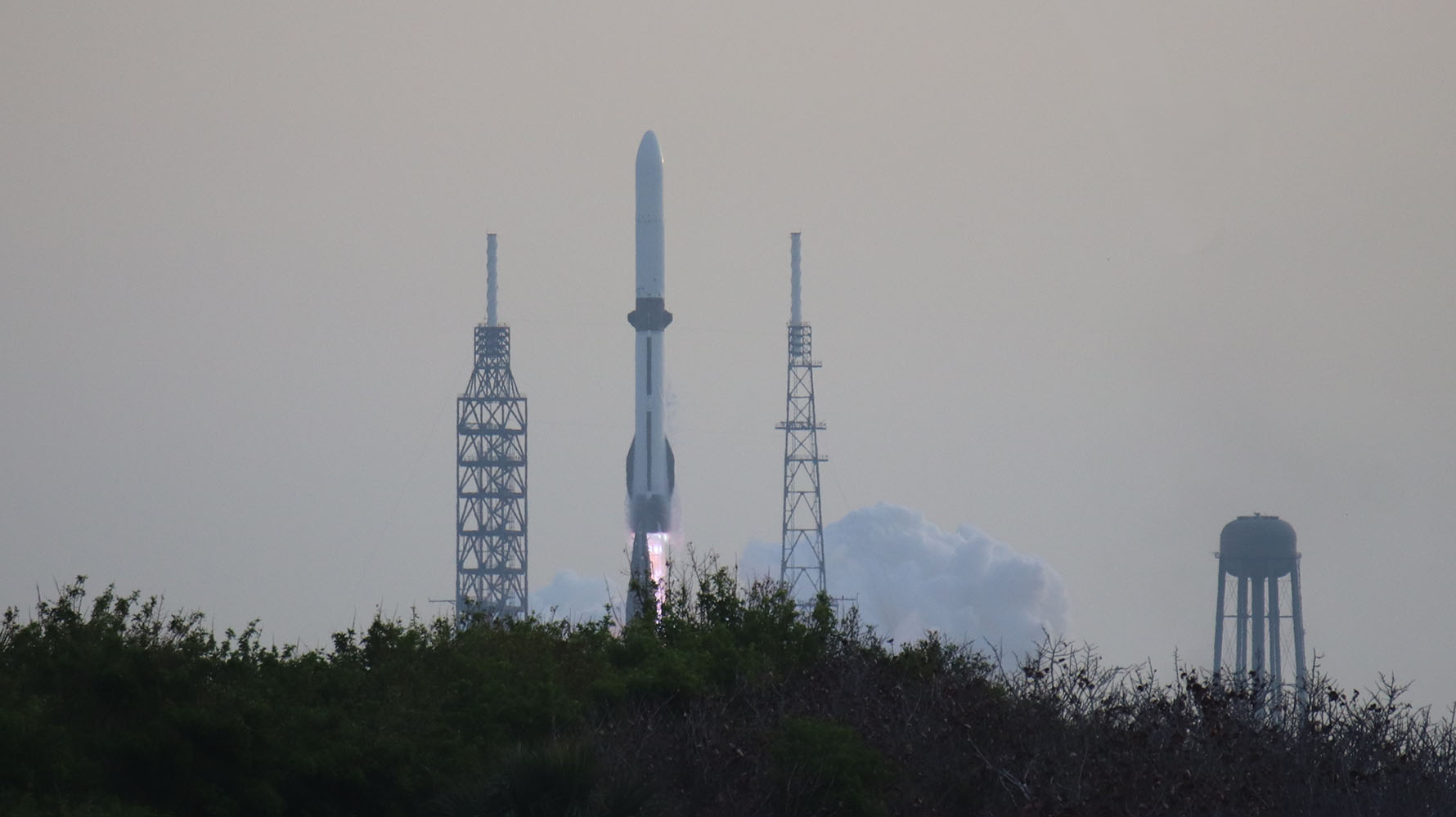
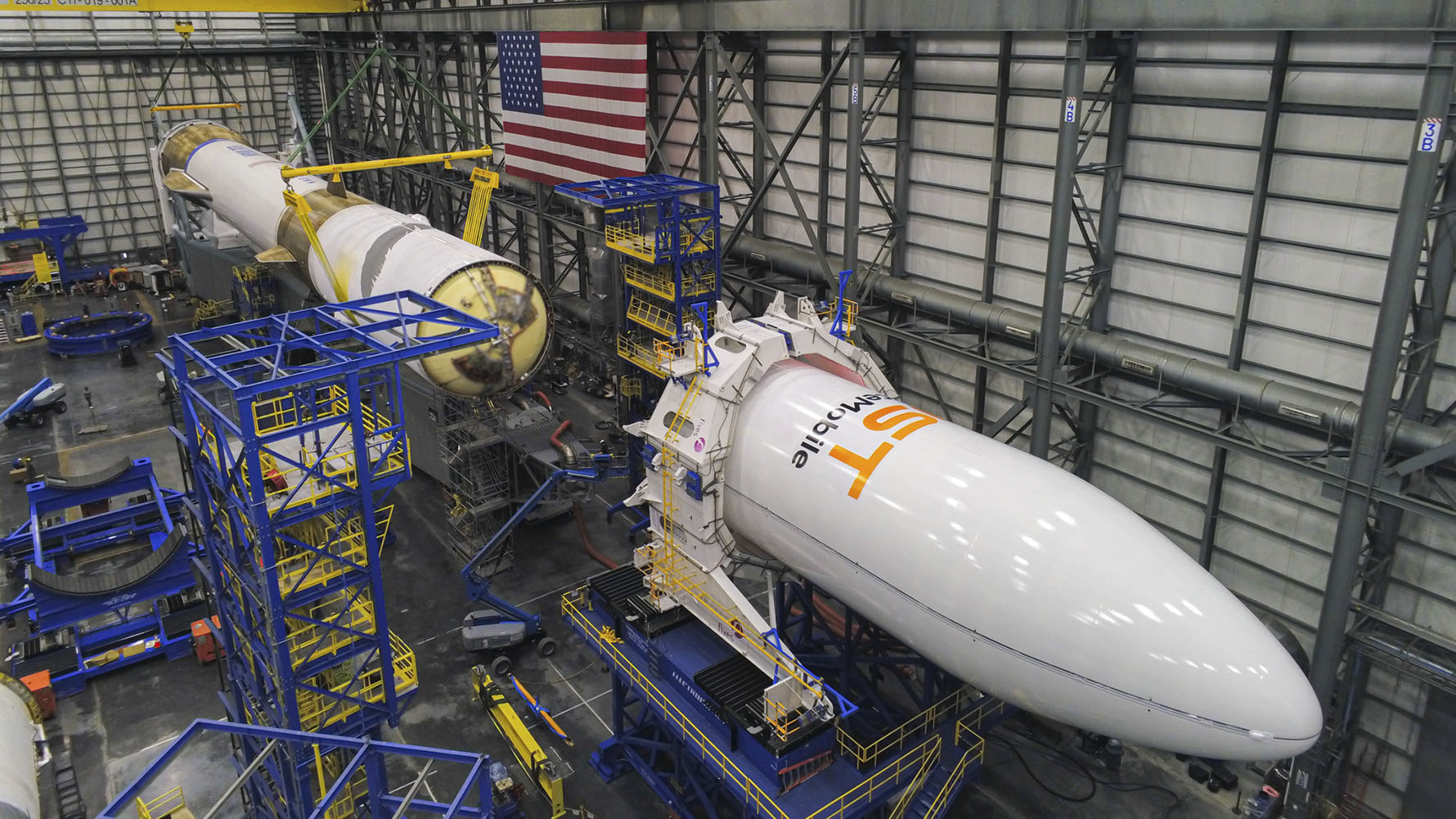
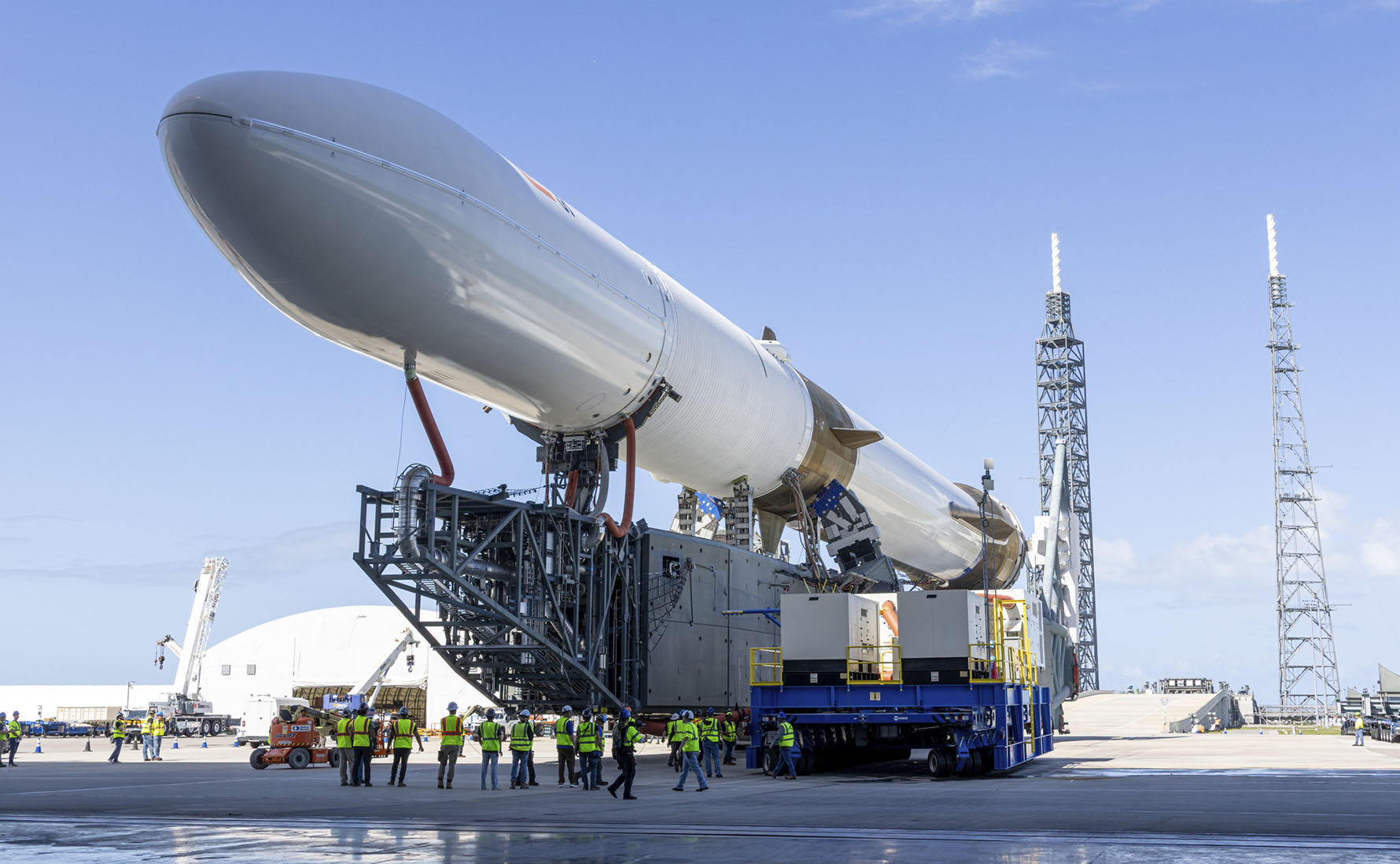
New Glenn rose smoothly from Launch Complex 36, climbing on seven BE‑4 engines burning liquid oxygen and liquefied natural gas as it headed downrange. The vehicle performed well through ascent, staging, and fairing separation without any visible issues. This was Blue Origin’s third New Glenn mission, carrying AST SpaceMobile’s BlueBird 7 — a Block 2 satellite designed for direct‑to‑device broadband, connecting standard smartphones through space‑based coverage to a planned low Earth orbit of roughly 460 kilometers circular at 49.4 degrees inclination.
BlueBird 7 is a next‑generation, commercial‑scale direct‑to‑device communications satellite intended to deliver 4G and 5G broadband directly to unmodified smartphones from low Earth orbit, extending cellular coverage into remote and underserved regions without special user equipment. To do that, it carries a very large deployable phased‑array antenna of roughly 2,400 square feet (about 223 square meters), giving it the aperture and gain needed to close a link with small, low‑power handsets while providing enough capacity for voice, data, and video services.
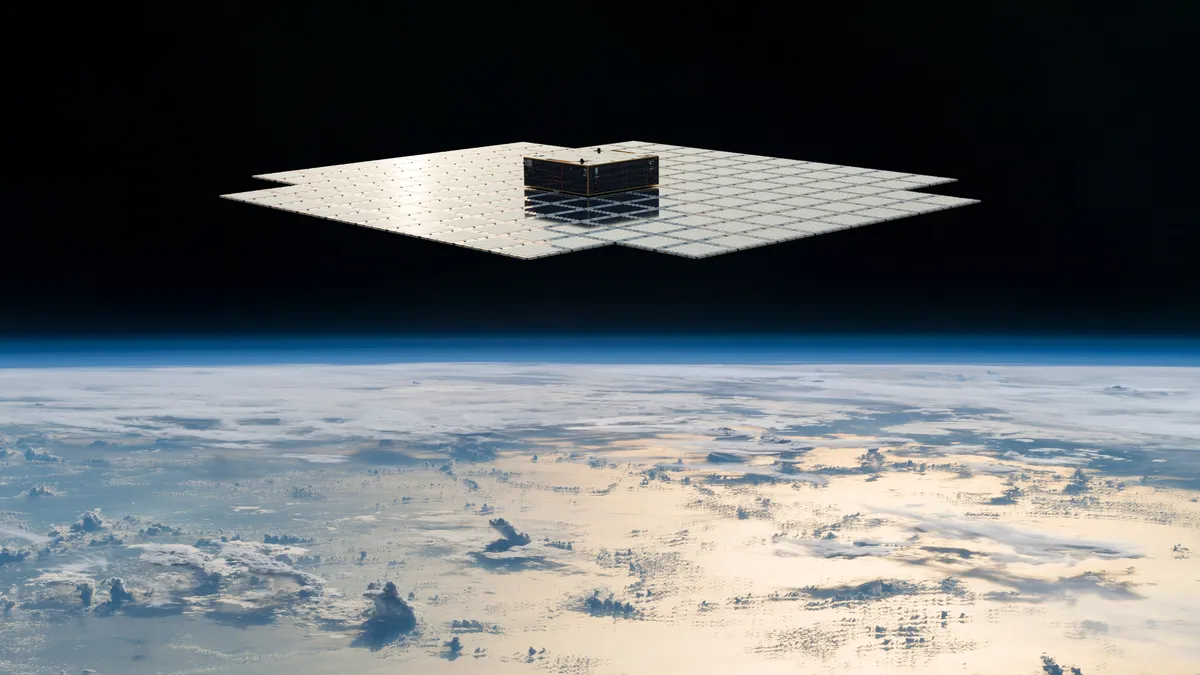
The Block 2 BlueBird design layers this aperture with high‑power RF systems and sensitive receivers tuned to standard cellular waveforms, enabling full 4G/5G operation with expected peak data rates above 120 Mbps and wideband beams on the order of tens of megahertz. In effect, it operates as an orbiting cell tower that can integrate with terrestrial networks and help AST SpaceMobile move from experimental demonstrations toward early commercial service.
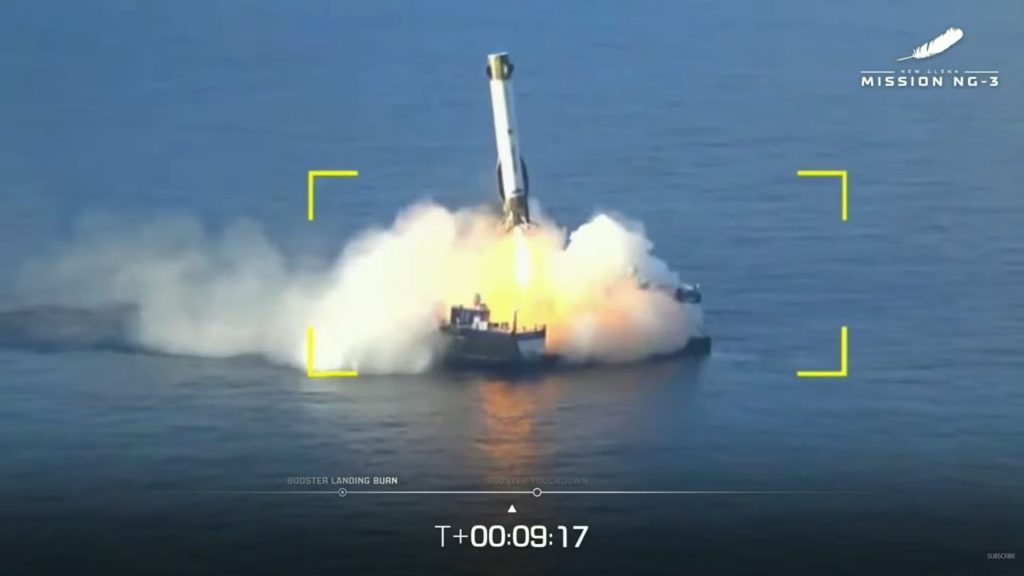
The headlining milestone for New Glenn‑3 was the first reuse of a New Glenn first stage. The booster, named Never Tell Me The Odds, previously flew on NG‑2 in November carrying NASA’s ESCAPADE Mars mission. On this flight it again performed nominally and touched down on Jacklyn, Blue Origin’s crewless landing platform operating out of Port Canaveral, at T+9 minutes 23 seconds (see photo above).
One thing worth noting: the reuse was partial. Blue Origin indicated the company replaced all seven BE‑4 engines for this flight and tested a few upgrades, including a new thermal protection system on one engine nozzle; the NG‑2 engines are being held for future flights. That’s a reasonable call for a first reflight and still an important step on the path to full reusability, but it’s worth being clear‑eyed about what “reuse” means at this stage.
The upper stage is where the mission became more complicated. BlueBird 7 was scheduled to separate about 75 minutes after liftoff, following a second burn of the upper stage’s BE-3U engines. Blue Origin ended its webcast after the booster landing and did not broadcast during the window when that burn and payload deployment should have occurred. According to Blue Origin’s mission timeline, payload separation was expected at about T+1 hour, 15 minutes, 44 seconds.
About an hour after the planned separation time, Blue Origin confirmed that the satellite had separated and powered on but had been placed into an off-nominal orbit. AST SpaceMobile later clarified that BlueBird 7 had been inserted into a lower-than-planned orbit and that the altitude was too low to sustain operations with the satellite’s onboard thruster technology. As a result, the company said the spacecraft will be deorbited.
That gives the mission a split character. The first stage did what Blue Origin needed it to do, returning successfully to Jacklyn after the first reuse of a New Glenn booster. But the upper stage did not place the payload into a usable orbit, and for AST SpaceMobile that means the loss of BlueBird 7.
Spaceflight often works this way. A launch can produce a real technical milestone and a significant mission shortfall at the same time. New Glenn demonstrated progress on reusability today, and that matters. But the upper-stage anomaly is significant, and its implications will take time to fully understand.
New Glenn did take a step forward today. Progress in this business rarely comes all at once.







1 thought on “New Glenn 3 Is a Step Toward Reusability with an Incomplete Mission”
The focus on reusability is pretty interesting. Do you think they’ll ever get the mission fully completed?