Book Review: Reality Check
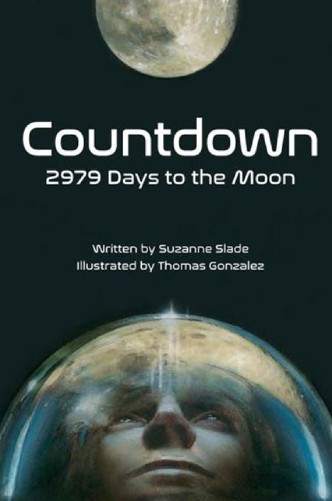
Category: Nonfiction Reviewed by: Dale Skran Title: Reality Check Authors: Brad Wieners and David Pescovitz Format: Paperback Pages: 161 Publisher:
Welcome to the NSS blog. Feel free to comment on any post (comments are moderated so won’t show up immediately). Contributors to the NSS Blog are unpaid volunteers. Unless specifically labeled an NSS position or press release, all blog posts represent the views of the author and not of NSS, even if written by an NSS officer.
New in the NSS Space Settlement Journal Simplified Artificial Intelligence Networks of Systems for a Small Space Settlement on the Moon or Mars (see full
Space Science as a Driver of U.S. Leadership and Economic Growth [New Position Paper from the National Space Society – see full paper] NASA’s science
New in the NSS Space Settlement Journal: Rotation of Space Settlements, by Rainer Rollfs. Abstract Free-floating space habitats can rotate to produce artificial gravity. Structural
Announcement: New in the NSS Space Settlement Journal Just published in the NSS Space Settlement Journal is a 90-page Critique of “A City on Mars”
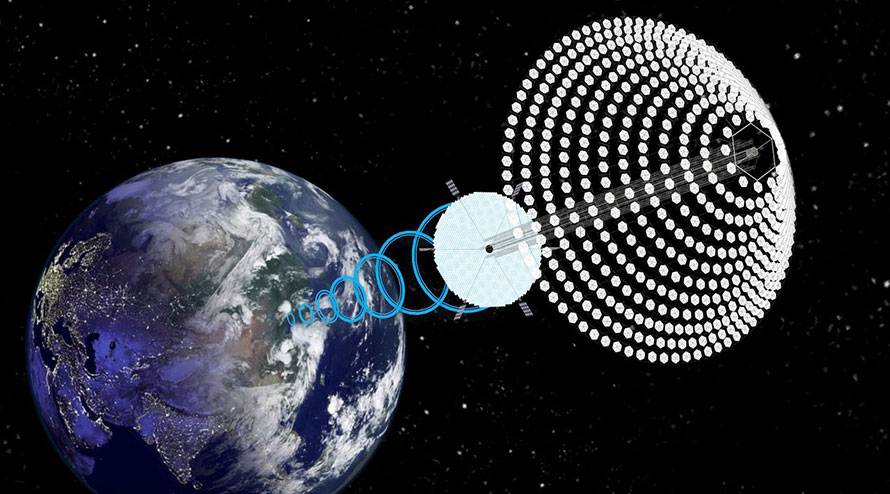
Research paper added to the NSS Space Solar Power Library: Opportunities and Challenges for Space Solar for Remote Installations, Naval Research Laboratory, October 2019. EXECUTIVE
New in the NSS Space Settlement Journal is the article Shielded Dumbbell L5 Settlement by Pekka Janhunen of the Finnish Meteorological Institute in Helsinki. Abstract
NSS has just issued a new Position Paper on “Space Solar Power: Enabling a Green Future with Economic Growth.” The United States and the rest
New in the NSS Space Settlement Journal is the article Control of Habitat’s Carbon Dioxide Level by Biomass Burning by Pekka Janhunen of the Finnish
New in the NSS Space Settlement Journal is the article Gravitat: Proposal for a Standard Design Vessel for Space Settlement, by Dr. Pietro Calogero. Abstract
New in the NSS Space Settlement Journal is the article Electrical Requirements for a Spectrum of Multi-Stage Space Farms by Bryce L. Meyer. Abstract Future
New in the NSS Space Settlement Journal are two articles that deal at least in part with the optimal size for space settlements. The 5-Kilometer
By Alice M. Hoffman, PE I’d like to welcome you to our new website, with the informative content you’ve come to expect from NSS, but

Category: Nonfiction Reviewed by: Dale Skran Title: Reality Check Authors: Brad Wieners and David Pescovitz Format: Paperback Pages: 161 Publisher:

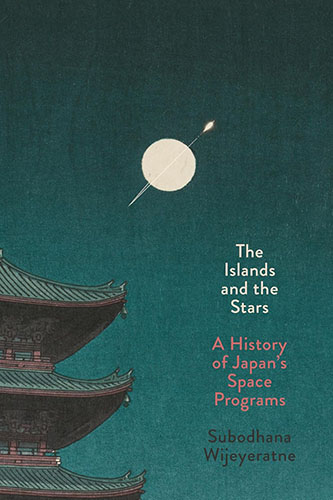
Category: Nonfiction Reviewed by: Mark Lardas Title: The Islands and the Stars: A History of Japan’s Space Programs Author: Subodhana Wijeyeratne Format: Hardcover/Paperback/Kindle
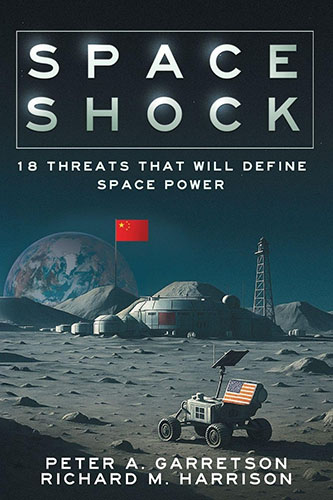
Category: Nonfiction Reviewed by: Casey Suire Title: Space Shock: 18 Threats That Will Define Space Power Authors: Peter A. Garretson
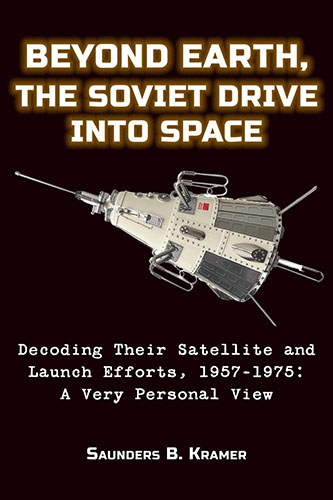
Category: Nonfiction Reviewed by: Douglas G. Adler Title: Beyond Earth, the Soviet Drive into Space: Decoding Their Satellite and Launch
Karlton Johnson, CEO and Chairman of the Board of Governors of the National Space Society, released a statement about the trans-lunar injection (TLI) of the
The National Space Society (NSS) is responding to the Office of Management and Budget’s proposed Fiscal Year 2027 budget for NASA. While the Society welcomes
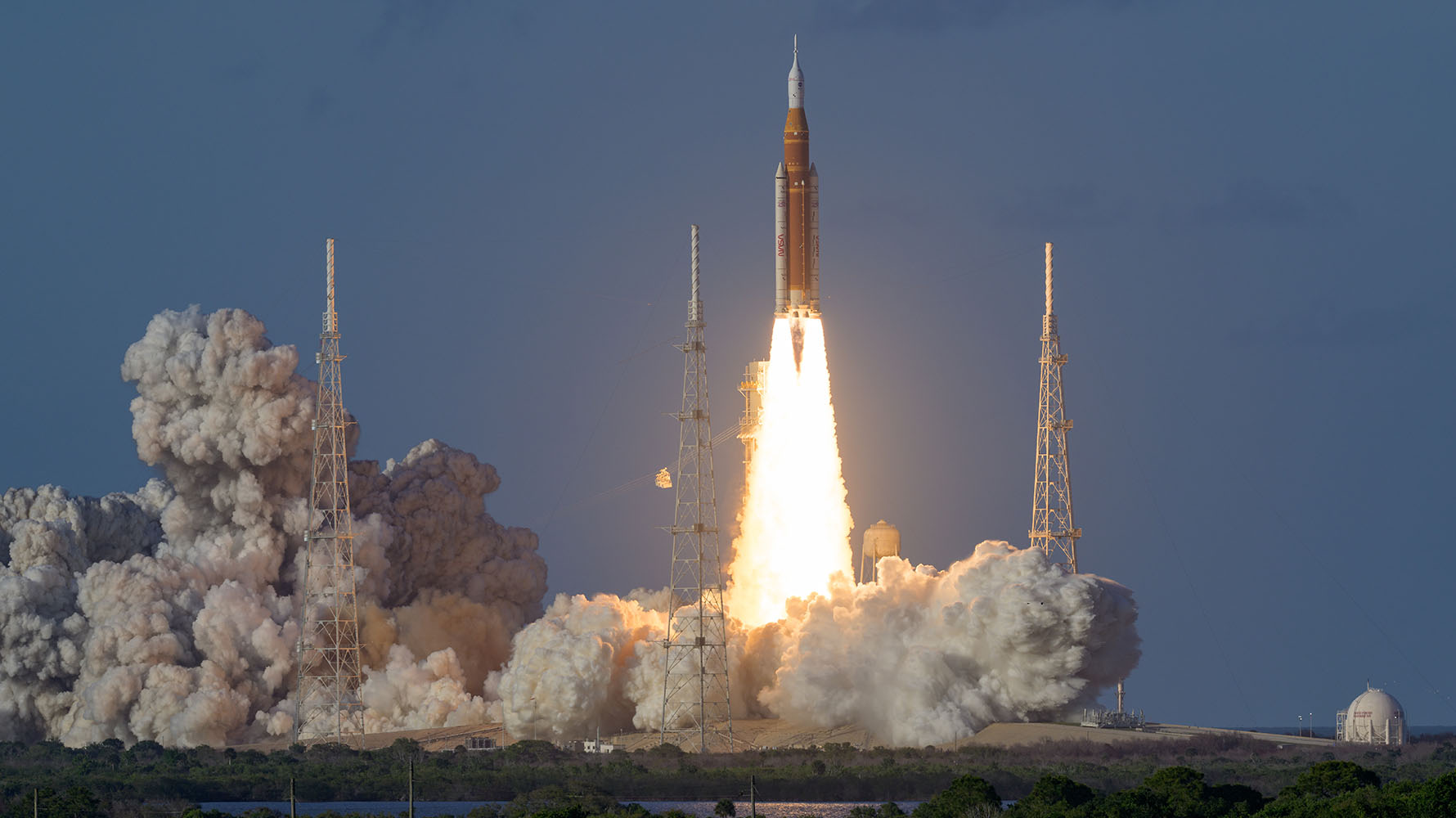
Orion Departs Earth Orbit — Humanity Returns to the Moon By Burt Dicht NSS Space Coast Correspondent Thursday, April 2 was the mission’s defining day.
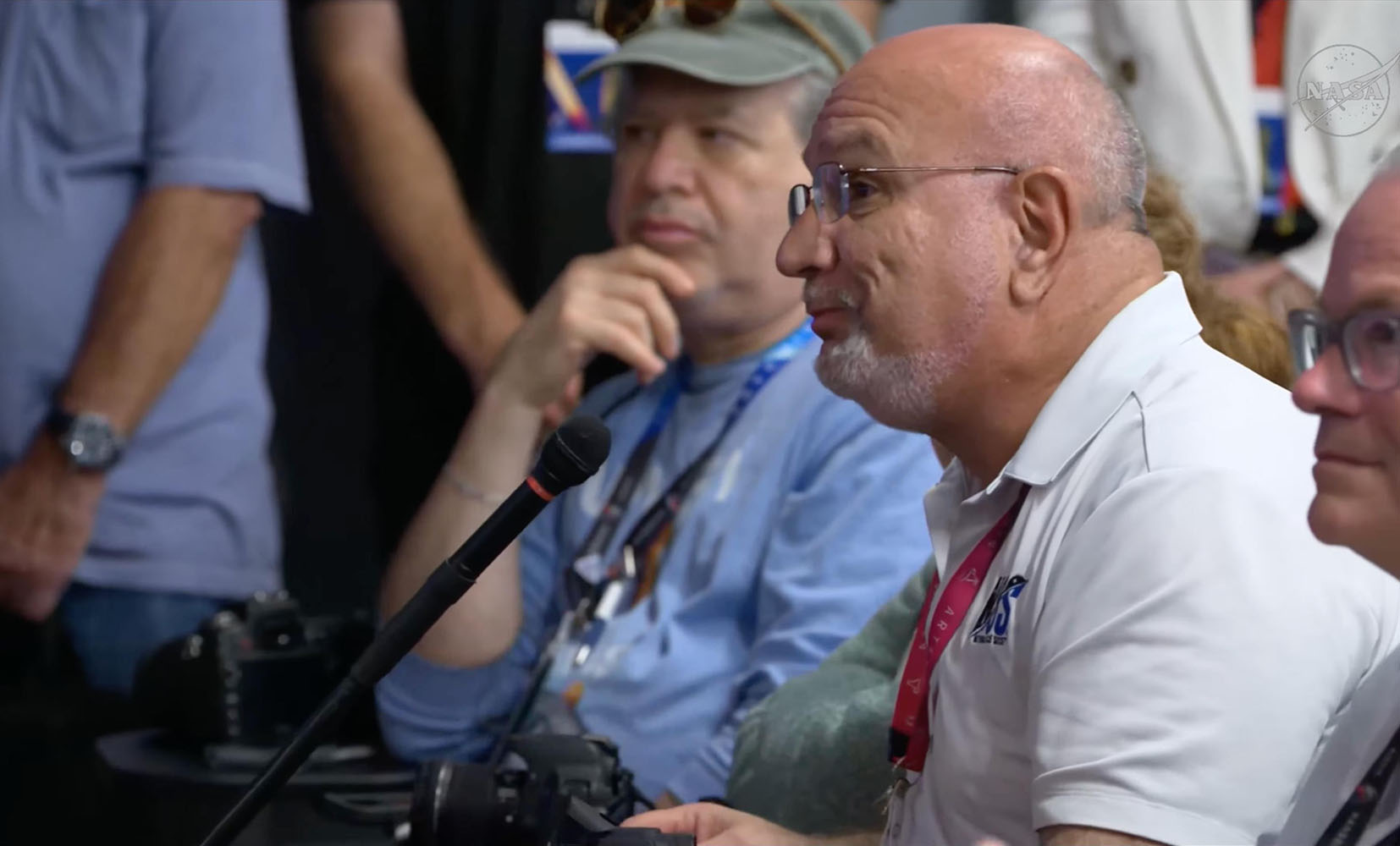
Story and Photos by Burt Dicht NSS Space Coast Correspondent Above: Burt asking a question at the April 1 NASA press conferences “Will it go?”
America is opening a new chapter of lunar exploration The National Space Society sends heartfelt congratulations to NASA, the crew of Artemis 2, and the
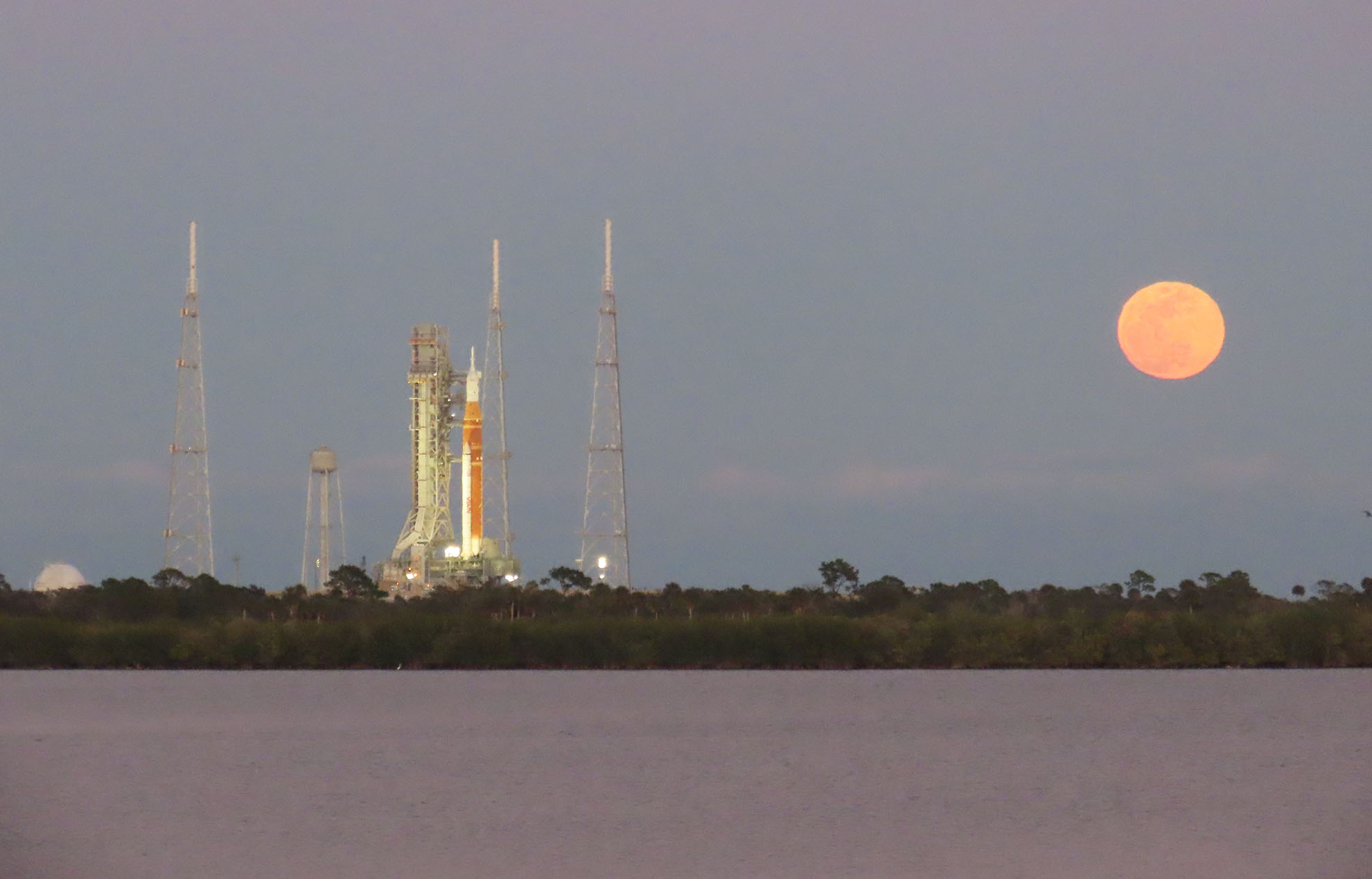
By Burt Dicht NSS Managing Director of Membership NSS Space Coast Correspondent Above: Artemis II on the launch pad with the Moon its target. Photo
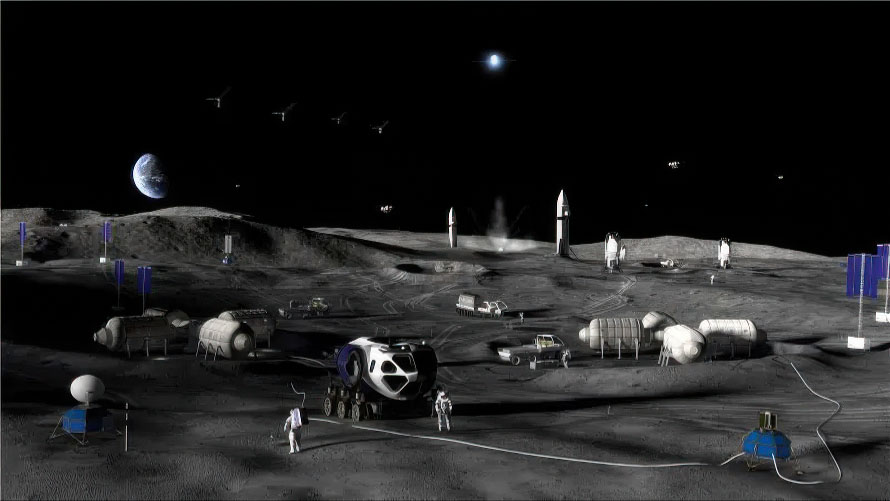
A new NSS Position Paper “Lunar Bases Should Be the Focus of Artemis” has just been released. Summary The National Space Society (NSS) argues that
By Burt Dicht NSS Space Coast Correspondent When NASA’s Apollo program sent humans to the Moon between 1969 and 1972, it took 400,000 engineers, scientists,