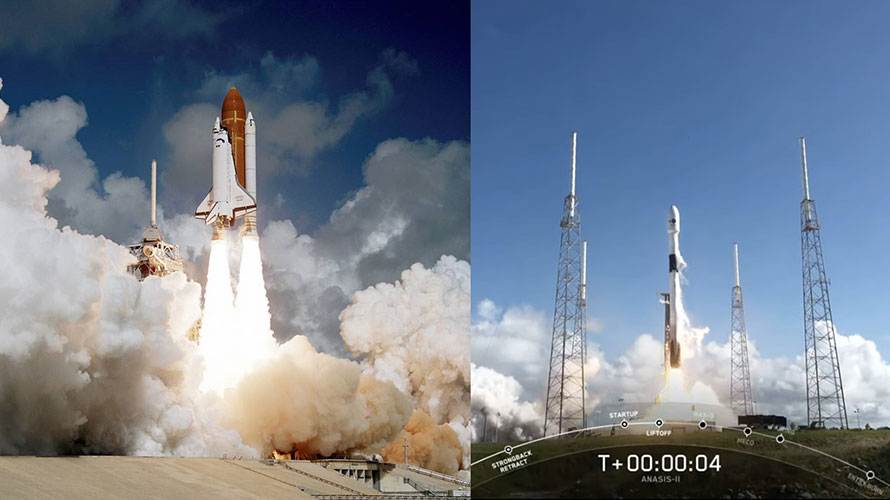
The Torch is Being Passed: Shuttle to Falcon 9

Shuttle and Falcon

Share:

Facebook
X
Pinterest
LinkedIn

By Dale Skran

On July 20th a SpaceX Falcon 9 launched ANASIS-II, a South Korean military communications satellite built by Lockheed Martin, from Cape Canaveral, Florida. Little noted in the mainstream media, this flight achieved several signal milestones:

  • 57th landing of the Falcon 9 first stage.
  • First time a SpaceX booster used to launch a crew was re-used for another purpose.
  • A 51-day booster turnaround that broke the previous SpaceX record by weeks and broke the Space Shuttle Atlantis 1985 turnaround record of 54 days.
  • And last but not least, for the first time both sections of the fairing were recovered dry using giant nets attached to ships.

The Shuttle still leads in total flights (135), and may always lead in total tonnage lofted if we count the Shuttle Orbiter as payload, whereas the Falcon 9/Dragon has about 90 flights (depending on who is counting), but booster turnaround is a key milestone, and perhaps the one that matters the most.  It represents a significant level of maturity for the Falcon 9, while breaking new ground in reusability. At this point, the only part of the Falcon 9/Dragon combination that is not fully reusable is the second stage. Additionally, it can no longer be claimed that the Falcon 9 is only reliable enough for satellites and not crews.

To complete the generational evolution beyond the capabilities of the Shuttle, we must look to the SpaceX StarShip/SuperHeavy. As I write this, Starship SN5 waits on the pad in Boca Chica, Texas for a short flight expected during the coming week. This flight may succeed or fail, but regardless it will be one more step in the path SpaceX is blazing that holds out the hope of creating an exciting future in space for all of us.

Share:

Facebook
X
Pinterest
LinkedIn
Picture of By National Space Society

By National Space Society

Leave a Comment

Don't Miss a Beat!

Be the first to know when new articles are posted!

Search
Categories

Follow Us On Social Media

JOIN THE
GREATEST ADVENTURE

Give The Gift Of Space: Membership For Friends and Family

Book Review

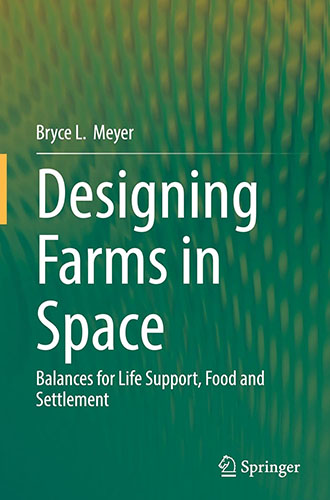
desigining farms in space

Book Review: Designing Farms in Space

Meyer’s academic textbook is loaded with numerous photographs, diagrams, charts, and graphs. There are chapters on subjects such as farm machines, animal and fungi production, plant and algae production, and space menus. The farming techniques outlined in the book can be applied to lunar, Martian, or rotating space settlements.

Read More »
Archives


Hilton McLean Tysons Corner, McLean, Virginia
June 4 - 7, 2026

Recent Blog Posts

Meyer’s academic textbook is loaded with numerous photographs, diagrams, charts, and graphs. There are chapters on subjects such as farm machines, animal and fungi production,...
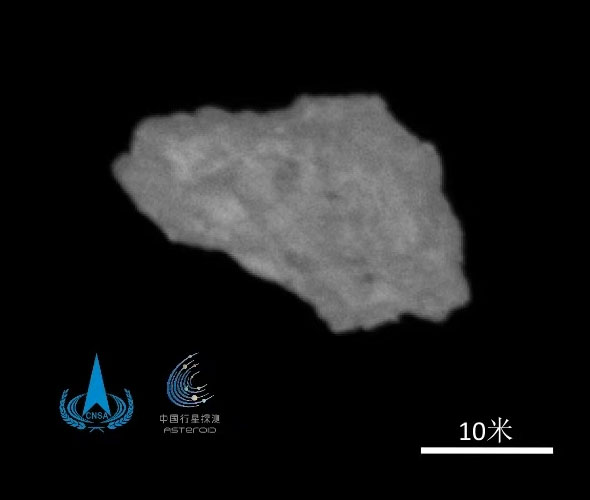
The Tianwen-2 spacecraft at asteroid 469219 Kamoʻoalewa is reportedly positioned to begin the most critical phase of its deep-space mission, preparing to sample the asteroid....
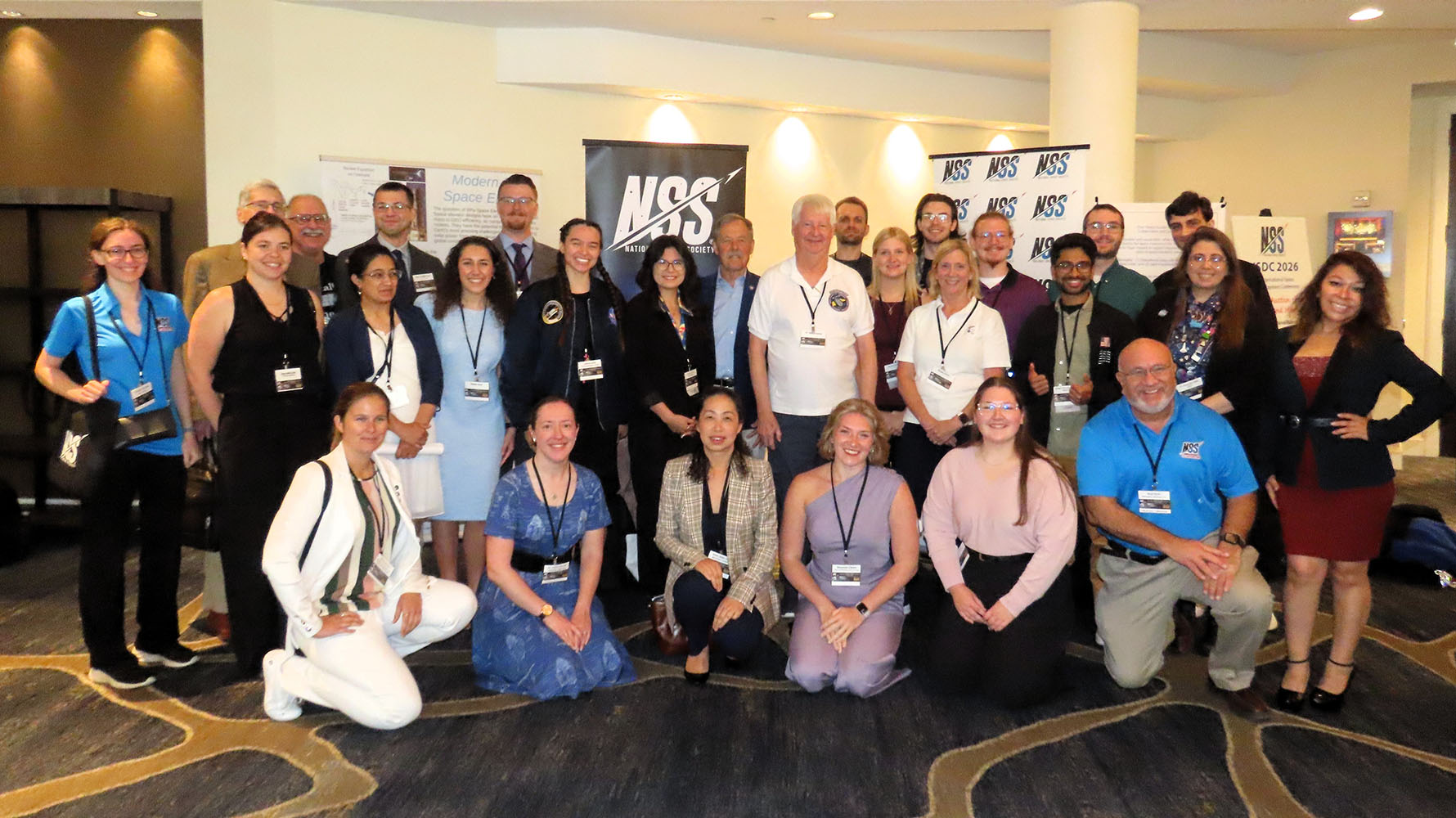
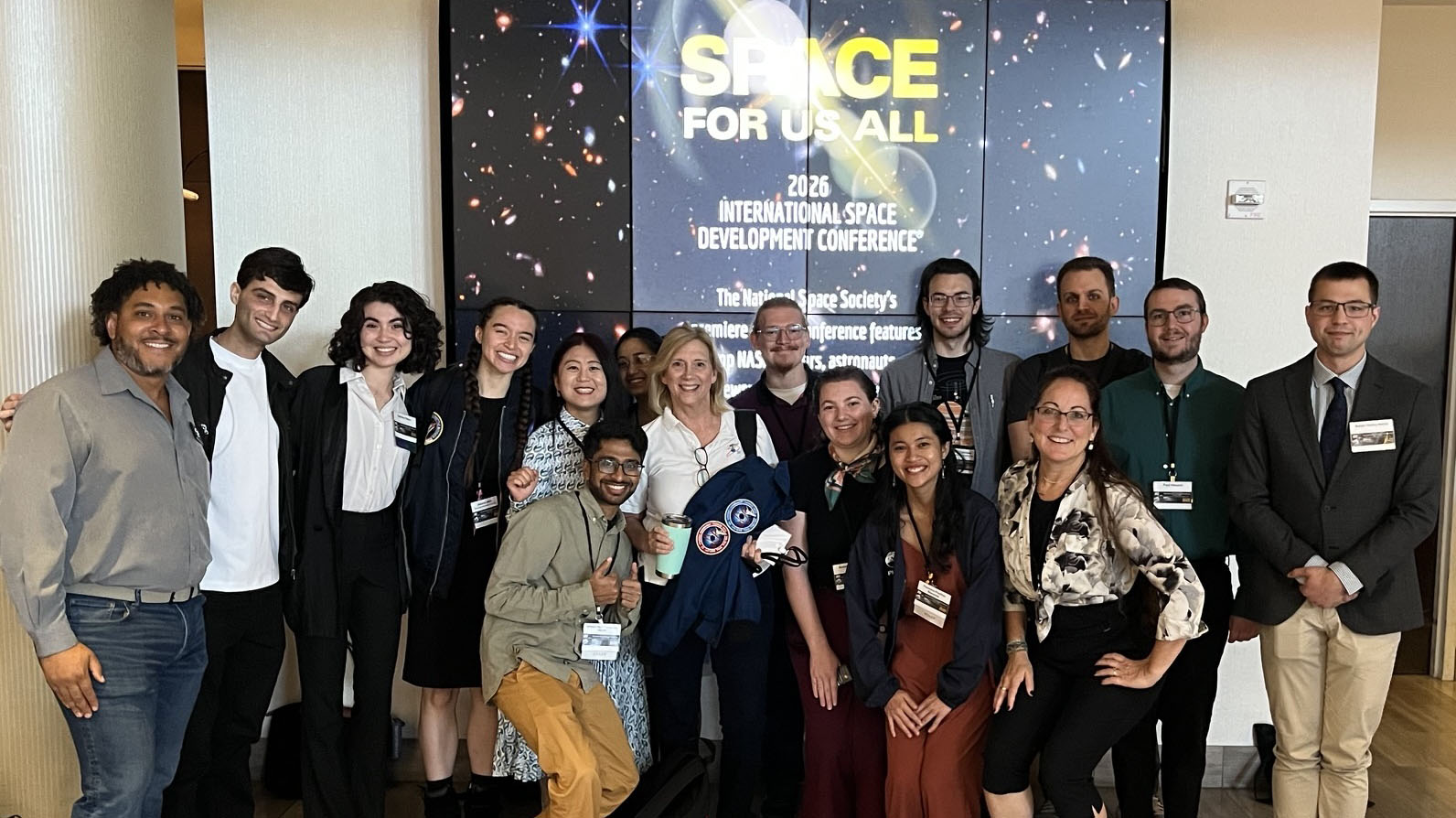
NSS continued its commitment to developing the next generation of space leaders through two programs created specifically for university students and early-career professionals: Speed Mentoring...
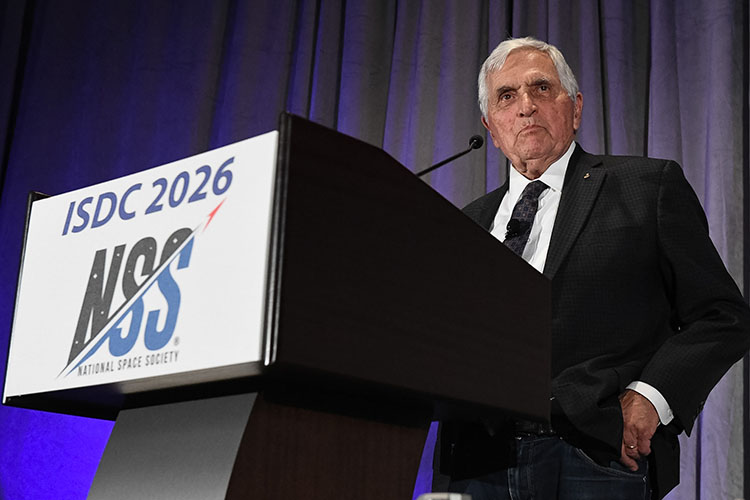
The National Space Society’s annual International Space Development Conference concluded on June 7 and was widely praised by attendees, with one of the best domestic...
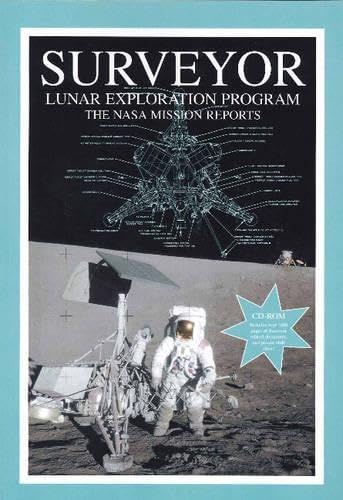
Apogee Books has reissued its volume on Surveyor for the program’s 60th anniversary. The book is a wonder, containing a veritable treasure trove of documents...
Each year, the “NSS 30 Under 30” program will honor 30 individuals under the age of 30 who are making meaningful contributions across the full...

The National Space Society invites you to the next Space Forum Thursday, June 18, 2026, 8:00 pm to 9:15 pm EST NOTE NEW TIME! The...

For the first time, the space elevator track at ISDC expanded to two sessions: the morning dedicated to powering the space elevator and the afternoon...

Your Doorway to New Worlds