National Space Society

SpaceShip Two – First Feathered Flight

Share:

Facebook
X
Pinterest
LinkedIn

Feathered
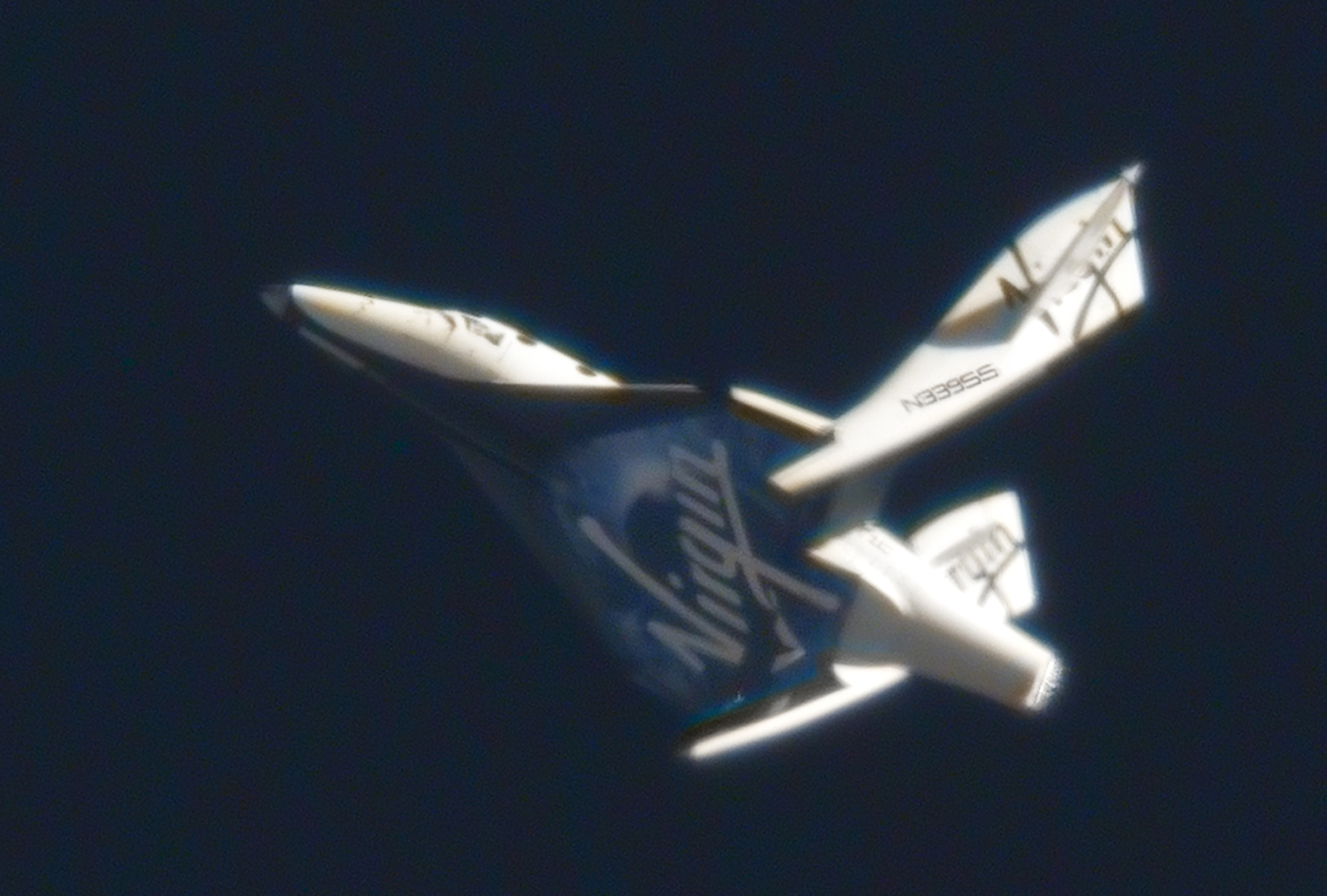
SpaceShip Two “Feathered”
Image Credit: Clay Center Observatory

Om 4 May 2011, Virgin Galactic’s SpaceShip Two completed its third test flight in twelve days, and this one was special. For the first time, Virgin Galactic’s rocket plane deployed its twin tail sections in the position designed to allow it to softly return to the Earth’s atmosphere from the vacuum of space. Virgin Galactic noted:

After a 45 minute climb to the desired altitude of 51,500 feet, SS2 was released cleanly from VMS Eve and established a stable glide profile before deploying, for the first time, its re-entry or “feathered” configuration by rotating the tail section of the vehicle upwards to a 65 degree angle to the fuselage. It remained in this configuration with the vehicle’s body at a level pitch for approximately 1 minute and 15 seconds whilst descending, almost vertically, at around 15,500 feet per minute, slowed by the powerful shuttlecock-like drag created by the raised tail section. At around 33,500 feet the pilots reconfigured the spaceship to its normal glide mode and executed a smooth runway touch down, approximately 11 minutes and 5 seconds after its release from VMS Eve.

The feathered configuration is used during re-entry into the Earth’s atmosphere from the 100 km height obtained by the sub-orbital spaceship. The configuration is very stable during the free fall, which means the pilot has a hands-free re-entry. High drag combined with the light weight of the spacecraft means the skin temperature remains low.

Share:

Facebook
X
Pinterest
LinkedIn
Picture of By National Space Society

By National Space Society

Leave a Comment

Don't Miss a Beat!

Be the first to know when new articles are posted!

Search
Categories

Follow Us On Social Media

JOIN THE
GREATEST ADVENTURE

Give The Gift Of Space: Membership For Friends and Family

Book Review

desigining farms in space

Book Review: Designing Farms in Space

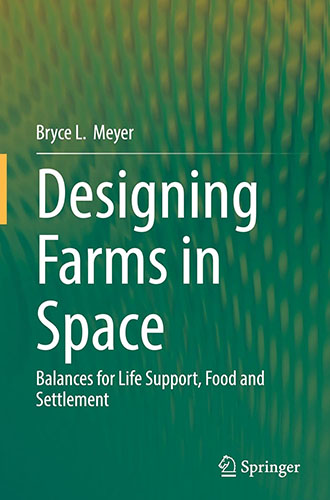
Meyer’s academic textbook is loaded with numerous photographs, diagrams, charts, and graphs. There are chapters on subjects such as farm machines, animal and fungi production, plant and algae production, and space menus. The farming techniques outlined in the book can be applied to lunar, Martian, or rotating space settlements.

Read More »
Archives


Hilton McLean Tysons Corner, McLean, Virginia
June 4 - 7, 2026

Recent Blog Posts

On July 20, 2026, 151 people gathered for a special brunch at Space220 in EPCOT at Walt Disney World to celebrate National Space Exploration Day,...

Today, on the 57th anniversary of the Apollo Moon landing, this inspiring song commemorating the past and the future of our presence on the Moon...

The National Space Society (NSS) today announced that it is delivering a letter to Congress and the Administration addressing concerns and recommendations regarding NASA’s draft...

The National Space Society invites you to the next Space Forum Thursday, July 23, 2026, 8:00 pm to 9:15 pm EST Artemis II and Our...

The competition offers cash prizes totaling $32,000 USD for the best three business plans that will serve to advance, in some way, the movement of...
Meyer’s academic textbook is loaded with numerous photographs, diagrams, charts, and graphs. There are chapters on subjects such as farm machines, animal and fungi production,...
The Tianwen-2 spacecraft at asteroid 469219 Kamoʻoalewa is reportedly positioned to begin the most critical phase of its deep-space mission, preparing to sample the asteroid....
NSS continued its commitment to developing the next generation of space leaders through two programs created specifically for university students and early-career professionals: Speed Mentoring...
adastra magazine

Your Doorway to New Worlds