

The National Space Society (NSS) enthusiastically welcomes NASA’s proposed PROMISE lunar lander, a bold step forward in expanding scientific access, mobility, and capability across the lunar surface. This mission concept represents exactly the kind of ambitious, future‑focused exploration architecture that will accelerate humanity’s return to and long‑term presence on the Moon.
The PROMISE lander’s design opens the door to extraordinary payload opportunities, enabling a diverse suite of instruments, technology demonstrations, and science packages to reach previously inaccessible regions. Its flexible payload accommodations make it a powerful platform for universities, research institutions, commercial innovators, and international partners eager to contribute to lunar science and exploration.
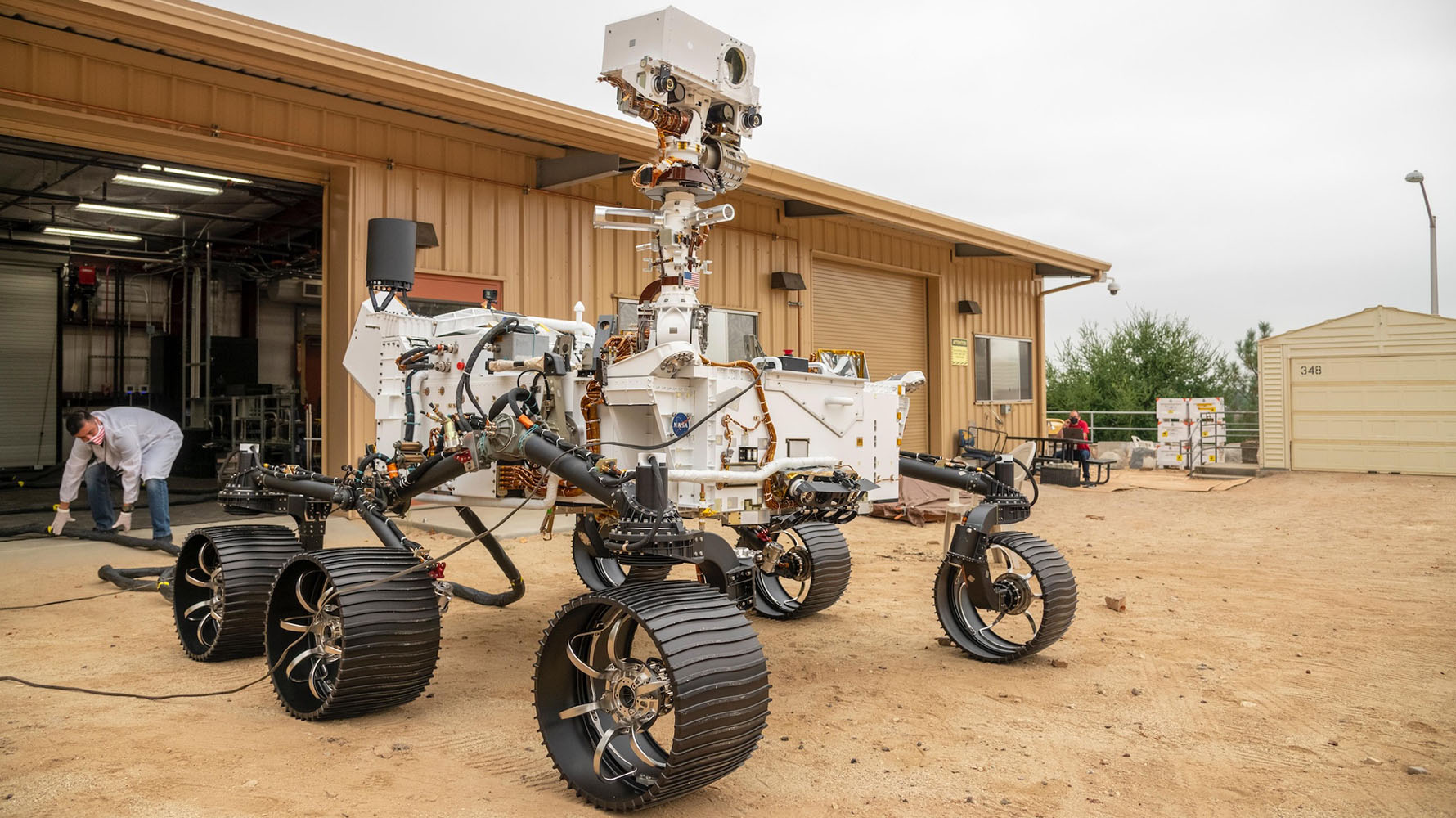
A defining feature of the PROMISE rover is its radioisotope thermoelectric generator (RTG), which provides continuous, reliable power regardless of sunlight, temperature extremes, or terrain. This capability allows the rover to travel to more places on the Moon and survive frigid lunar nights. The RTG transforms the rover into a true global explorer, dramatically expanding the scientific return and operational flexibility of the mission.
The PROMISE rover proposal is a smart fiscal decision. NASA has an assembled rover and the ready‑to‑fly RTG sitting in storage. Every month it sits idle, the RTG’s finite power output declines. PROMISE turns that idle hardware into a working mission, making sure the rover’s capabilities and the RTG’s remaining power deliver lunar science and exploration.
“PROMISE brings amazing capability to the Moon,” said Dale Skran, NSS COO. “A rover that can traverse vast areas of the lunar surface, carry meaningful payloads, and operate independently of sunlight is exactly the kind of infrastructure that builds toward a sustainable lunar economy and long‑term human presence. For too long the Moon has taken a back seat to more far-off destinations, and PROMISE restores a focus on missions that will have a direct impact on the development of lunar resources.”
The National Space Society also applauds Administrator Jared Isaacman’s vision and leadership in championing this mission concept and advancing a broader strategy for lunar exploration focused on a permanent lunar base. His commitment to expanding mobility, science access, and commercial participation on the Moon reflects a forward‑leaning philosophy that aligns strongly with NSS’s long‑standing goals: opening the lunar frontier, enabling permanent settlement, and fostering a vibrant cislunar economy.
“Administrator Isaacman continues to demonstrate a clear, strategic understanding of what the United States must do to lead in space,” said Grant Henriksen, Chair of the NSS Policy Committee. “PROMISE highlights his drive to act quickly and decisively, advancing missions that are innovative, practical, and capable of transforming humanity’s future on the Moon.”
The National Space Society looks forward to supporting PROMISE if it advances from proposal to development and encourages NASA, industry partners, and the scientific community to seize the opportunity this mission represents. With the right investments and leadership, PROMISE can become a cornerstone of the next great chapter in lunar exploration.











1 thought on “NSS Applauds NASA’s Proposed PROMISE Lunar Lander and Administrator Isaacman’s Vision for a New Era of Lunar Exploration”
Is it safe to assume that it wasn’t built at the Jet Propulsion Laboratory? The key clue is the lack of holes that spell “jpl” in Morse Code, for use as a makeshift odometer.