

GUEST OPINION
By Austin A. Mardon, John Christy Johnson, and Peter Anto Johnson
As humanity stands on the cusp of a new era in space exploration, the prospect of sustainable space settlement has moved from the realm of science fiction to a tangible goal. The National Space Society (NSS) advocates for the creation of a space-faring civilization and reminds us that we must consider the strategies and innovations that will make this vision a reality. Let’s explore the key elements necessary for sustainable space settlement, highlighting the technological advancements, international collaborations, and ethical considerations that will guide our journey to the stars.
Technological Advancements: One of the most exciting developments in space settlement is the rapid progress in propulsion technology. Innovations such as ion drives and nuclear electric propulsion promise to revolutionize our ability to travel vast distances in space, making interplanetary travel more feasible and less resource-intensive. Eventually we may even get to other stars.
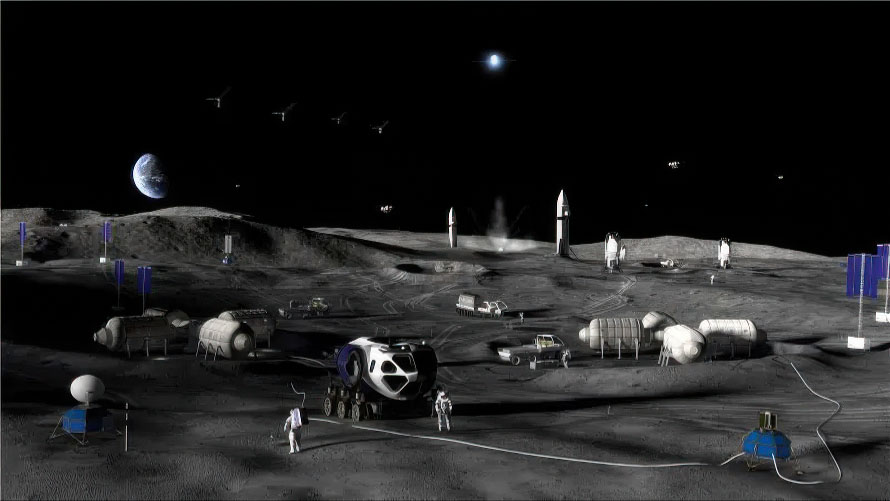
Furthermore, advancements in habitat technology, such as the development of self-sustaining biospheres, are critical for long-term space living. These closed-loop systems can recycle air, water, and waste, ensuring that settlements can thrive independent of Earth. The International Space Station (ISS) has already provided valuable insights into life support systems, and these lessons will be crucial for building larger, more permanent settlements on the Moon, Mars, and beyond.

International Collaborations: Sustainable space settlement is a global endeavor that requires international cooperation. The Artemis Accords, initiated by NASA, represent a significant step towards establishing norms and guidelines for lunar exploration. By fostering collaboration between countries, these agreements aim to ensure that space remains a domain for peaceful exploration and shared scientific advancement.
The role of private enterprise cannot be overstated. Companies like SpaceX, Blue Origin, and others are pioneering cost-effective space travel and infrastructure development. Public-private partnerships will be instrumental in reducing the costs and increasing the efficiency of spaceflight. By combining governmental oversight with the innovation and agility of private firms we can accelerate the timeline for establishing human presence beyond Earth.
Equity and Inclusivity: As we venture into space, it is essential to ensure that the benefits and opportunities of space exploration are shared equitably across all of humanity. Historically, access to space has been limited to a select few—predominantly from affluent nations with significant resources. Moving forward, we must strive to democratize space access, ensuring that people from diverse backgrounds and countries can contribute to and benefit from space exploration.
This inclusivity extends to involving a wide range of stakeholders in decision-making processes, from international organizations to indigenous groups whose perspectives and knowledge systems can offer valuable insights. Organizations like NSS are already expanding educational programs and outreach initiatives to inspire and train the next generation of space explorers from underrepresented communities, fostering a truly global spacefaring culture.
The benefits of space exploration should be shared globally, and opportunities to participate in this grand endeavor should be accessible to people from diverse backgrounds. By fostering a spirit of inclusivity, we can ensure that space remains a domain that unites rather than divides humanity.
Planetary Protection: The concept of planetary protection, which seeks to prevent biological contamination of other worlds, is paramount. Preserving the pristine conditions of celestial bodies ensures that we do not inadvertently harm potential ecosystems or compromise future scientific discoveries.
Planetary protection requires that strict protocols be established for sterilizing spacecraft and equipment destined for other planets. The Outer Space Treaty of 1967, to which many spacefaring nations are signatories, provides a very general framework for avoiding harmful contamination. However, as exploration efforts intensify, particularly with plans for human missions to Mars and beyond, these protocols must be continually updated and rigorously enforced to address new challenges and technologies.
Responsible Use of Space Resources: The prospect of mining asteroids and other celestial bodies for resources presents both tremendous opportunities and ethical challenges. While space mining can provide essential materials for sustaining colonies and advancing technology, it raises questions about environmental stewardship and the potential for resource conflicts.
It is crucial to develop a regulatory framework that governs the extraction and use of space resources, ensuring that activities are conducted sustainably and do not lead to environmental degradation or stakeholder conflict. This framework should promote the responsible use of resources—an approach aligned with the NSS vision of sustainable space development, emphasizing the importance of preserving the pristine conditions of celestial bodies for future generations. Additionally, a fair and transparent system for resource allocation must be established to prevent monopolization and ensure that all nations and stakeholders can benefit equitably from space resources.
Cultural and Heritage Preservation: As we expand our presence in space, we must also consider the cultural and historical significance of celestial bodies and their landscapes. For instance, the Apollo landing sites on the Moon hold immense historical value and should be protected as heritage sites. Recognizing and preserving these sites can help maintain a connection to our shared human history as we move forward into a new era of exploration, and groups such as NSS and For All Moonkind are actively pursuing relevant protection guidelines.
Furthermore, the naming and potential designation of extraterrestrial sites should be approached with sensitivity and respect for the diverse cultures and traditions on Earth. International agreements and cooperative frameworks should be established to manage territorial claims and ensure that space remains a realm of peaceful exploration and shared heritage.
Ethical Framework for AI in Space: The integration of artificial intelligence (AI) in space missions introduces additional ethical dimensions. AI systems can significantly enhance our capabilities, from autonomous navigation to data analysis, but they also pose risks such as unintended consequences or biases in decision-making. Developing an ethical framework for the deployment of AI in space is crucial to ensure that these technologies are used responsibly and transparently.
This framework should include guidelines for the design and use of AI, emphasizing accountability, transparency, and the mitigation of biases. It should also address the potential impacts of AI on employment within the space industry, ensuring that the human workforce is supported through training and transition strategies and that the benefits of AI are equitably distributed.
Conclusion: The journey to sustainable space settlement is a multifaceted challenge that requires technological innovation, international collaboration, and a strong ethical framework. As the National Space Society continues to advocate for a space-faring civilization, it is essential to consider these elements to chart a course that ensures the long-term success and sustainability of human presence in space.
As NSS continues to engage leaders, innovators, and educators, these guiding principles will remain central to building a spacefaring future, allowing us to transform the dream of space settlement into reality. As we look to the stars, let us remember that our greatest achievements will be those that reflect the best of humanity—our ingenuity, our cooperation, and our commitment to a better future for all.
Authors:
Austin A. Mardon is an adjunct professor in the Faculty of Medicine and Dentistry at the University of Alberta, director of the Antarctic Institute of Canada, an Order of Canada member, and Fellow of the Royal Society of Canada.
John Christy Johnson is an incoming Family Medicine Resident and research program officer at the Antarctic Institute of Canada.
Peter Anto Johnson is also an incoming Family Medicine Resident and research program officer at the Antarctic Institute of Canada.
Images:
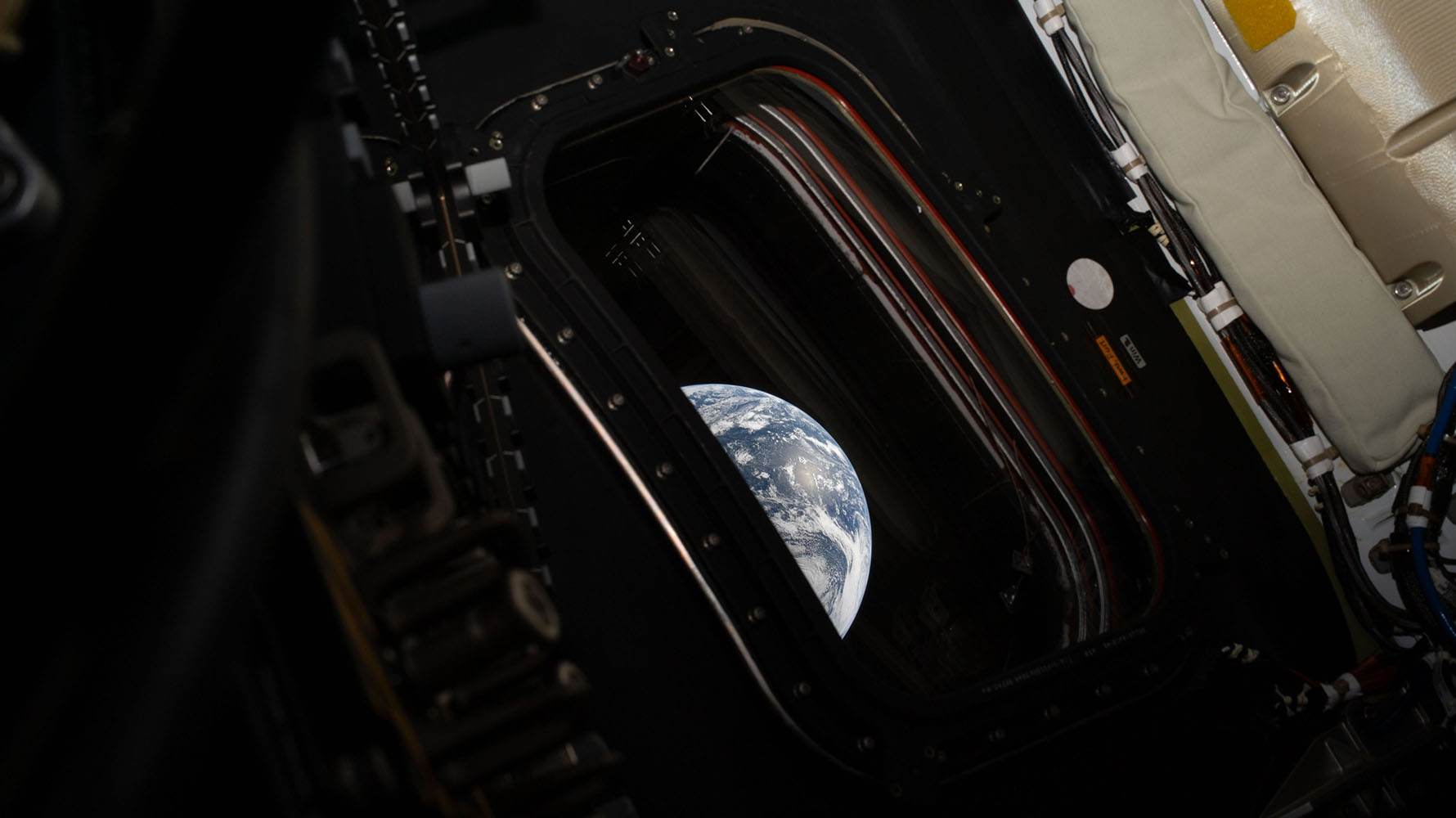
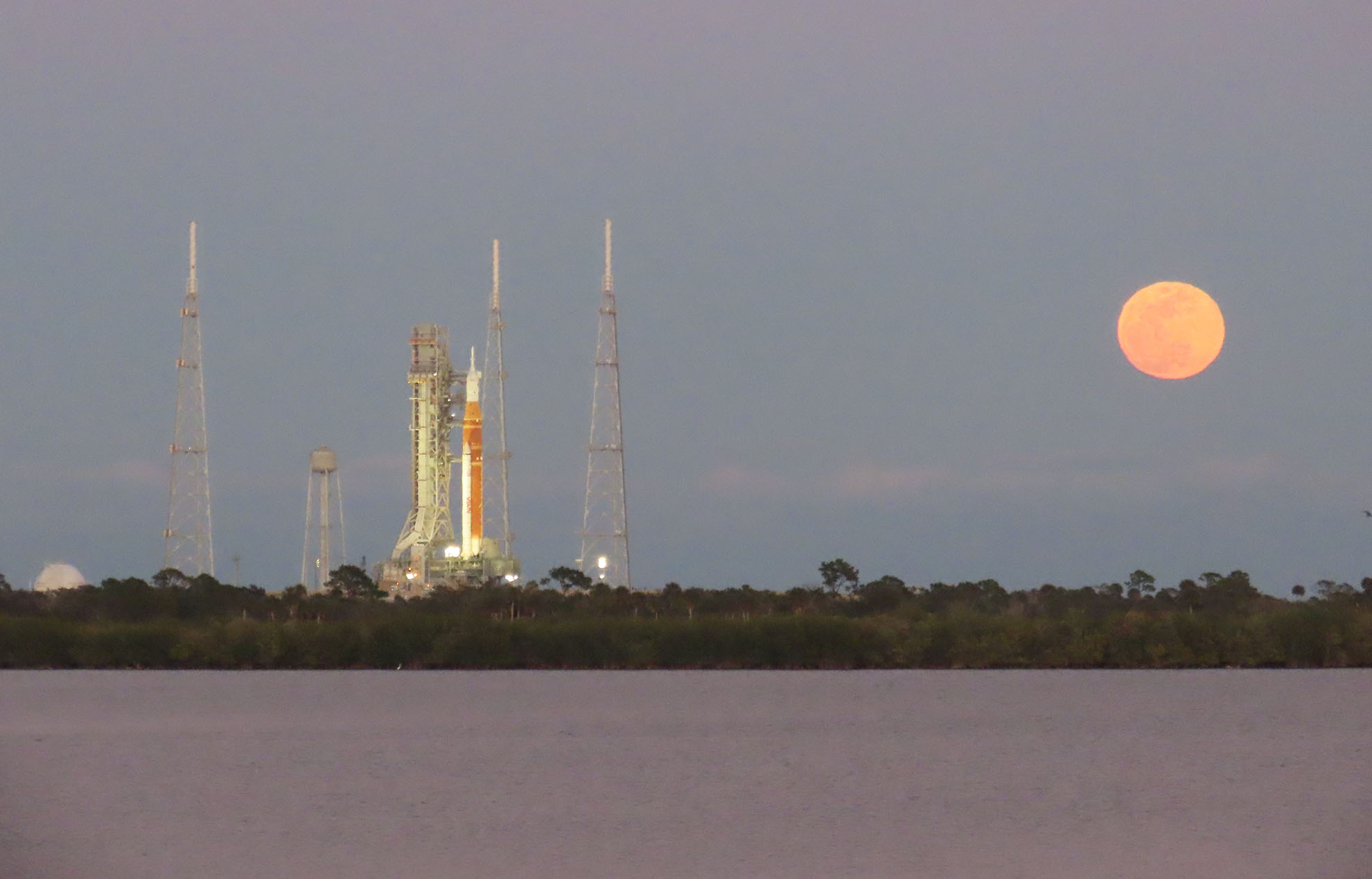
Earthrise Mom and Child – Image Credit: Abe Scheuermann
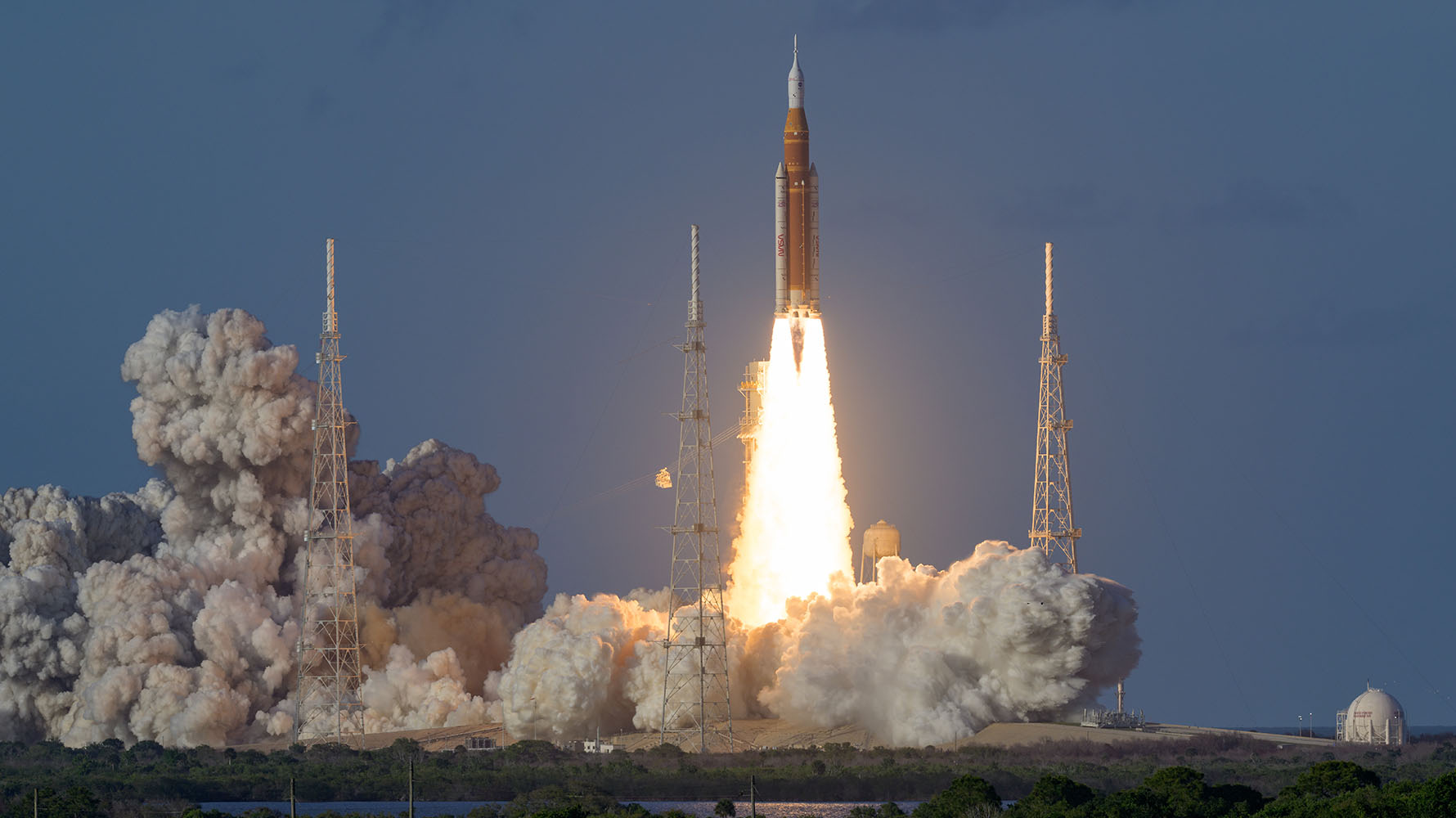
Space Station – Image Credit: James Vaughan









5 thoughts on “Charting Humanity’s Course to the Stars: The Role of Sustainable Space Settlement”
The science fiction book “Seveneves” by Neal Stephenson (https://en.wikipedia.org/wiki/Seveneves) gives a very good view of self-sufficient life in space.
See the NSS review of Seveneves: https://nss.org/book-review-seveneves/
Thanks John. What did you think of our blog? I had gone on NSF search for meteorites when I was a young man beyond the south pole. Found 700.
https://nss.org/nss-member-dr-austin-mardon-honored-with-nasa-medal/
This is last year. In 60’s they thought by now would be on Mars with humans. Something went wrong, very wrong. We don’t want to be like the Vikings in North America. It took 600 years to get there again.
This wonderfully crafted, inspiring article on SpaceFaring-HumanActivities, fondly reminds me of my architectural tutor Mr.Jan Kaplicky of Prague/Europe (see his link below, thanks).
While Ar.Jan in yr’-1988, used to teach & conduct sessions (at – http://www.aaschool.ac.uk) on creating built environments, habitable structures & buildings in OuterSpace, on actual-physical-grounds of other suitable planets, as required-PlanetaryArchitecture for extra’Terrestrial-Human-Settlements.
Prof’.Jan’s large public exhibitions in Europe, displaying his large panels, loaded with visuals-drawings, presentations on OuterSpaceArchitecture, HumanSettlements & BuiltEnvironments for OuterGalaxies & SpaceBeyond, as visualised in yr’-1988, used to be extremely inspiring indeed.
https://www.kaplickycentre.org/en/home/
You may find this article written by myself and Greg Autry a while back of interest: https://www.tbsnews.net/opinion/humanity-cant-afford-keep-space-pristine . It was originally published in Foreign Policy but that is now behind a paywall. A strict approach to planetary protection, far from being a component of “sustainable” space settlement, in reality amounts to a ban on space development and settlement. We must keep in mind that for something to be “sustainable” it has to be possible to do it at all, and for most space activities we are stuck on that first step.