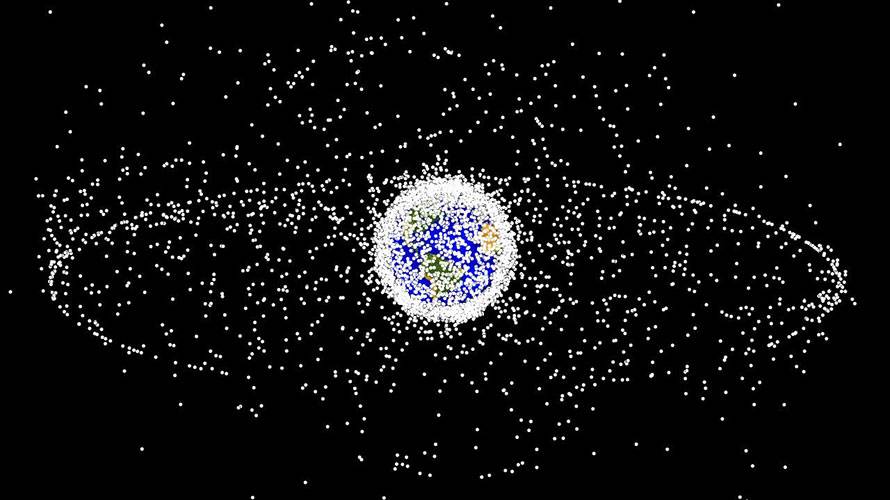
In noting the parallels between debris or pollution in the seas of the world and debris in orbit, but also the lack of mechanisms in space for dealing with it, the NSS Policy Committee produced its latest policy paper, titled “Space Debris Removal, Salvage, and Use: Maritime Lessons.” The paper proposes mechanisms and systems for creating a safe space environment via active debris remediation and salvage, including ways to overcome daunting liability and compensation impediments. NSS also recommends actions that would create strong incentives for private owners and State Parties to the Outer Space Treaty to rapidly remove space debris, or salvage it for later use, both in orbit and on planetary surfaces.
Because spacecraft or payload owners and State Parties working alone might not have capability or economic means to carry out such debris remediation actions, NSS describes a way to harness market forces to help service the debris problem. Drawing on lessons learned over many years in the maritime context, NSS also proposes funding for liability compensation through mechanisms such as protection and indemnity (P&I) space clubs in collaboration with other stakeholders. In addition, NSS proposes a multilateral system that would strongly incentivize owners and launch-registered State Parties to relinquish control of derelict objects to thereby create a system where it is less expensive and dangerous to remove debris than to let it persist. Finally, NSS provides a notional agreement to establish a Space Salvage Entity (SSE).







3 thoughts on “New NSS Position Paper on Space Debris Removal”
Today SpaceX launched, to my understanding, the second volley of 60 satellites to provide internet to the entire planet. And as I further understand, not only will there be more to follow, but there are others wishing to duplicate/compete with this plan placing even more objects into orbit. The profit motive for this (these) enterprises is significant however the potential for orbital catastrophy, again, in my humble opinion is beyond comprehension. One only needs to understand the mechanics of a chain reaction with objects have velocities in thousands of mph having the potential to obliterate all man’s LEO accomplishments and throwing those earth reliant systems into utter chaos. The net result could if not cause our extinction would surely cause a centennial regression of cultural/technological advancement. To this I ask what effort if any is being proposed or instituted to see that this does not happen?
Congratulations to NSS for this Paper. Maritime Law is a much better example to follow for space activities than, say, aviation law. The Law of the Sea and rights of salvage seem most appropriate in the context of derelict space junk.
How bout those signs that say “Vehicles will be towed at owners expense?” When we get space tugs in orbit they must have permission to deorbit trash and charge it to the owner. Failure to pay removal fee would result in cancellatation of future launch permits.