National Space Society’s Ongoing Support for Commercial Spaceflight Shows Results
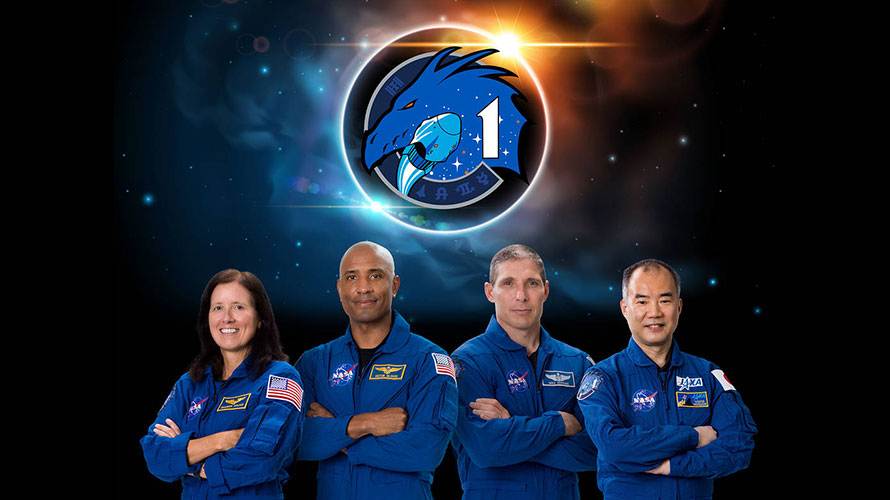
On Tuesday, at 11:01 pm Eastern Time, SpaceX’s Crew-1 flight successfully docked with the International Space Station in its first operational flight with a crew of four. The National Space Society, along with the Alliance for Space Development, has engaged in a multi-year campaign supporting the engagement of commercial suppliers by NASA to provide routine and affordable access to the ISS and Low Earth Orbit (LEO).
“For the first time, a ticket to LEO can be purchased commercially, enabling the opening of near-Earth space to a vast range of business endeavors,” said Dale Skran, Chair of the NSS Executive Committee. “This includes the recently announced Tom Cruise movie to be shot aboard the ISS. Just as importantly, the ongoing increase of the ISS crew size from six to seven will double the scientific and commercial output of the space station.”
In March 2014 NSS embarked on a long-term campaign to support Commercial Crew on multiple fronts, including a formal position paper on “The NASA Commercial Crew Program” that gained traction within the U.S. government.
“NSS welcomes the addition of commercial modules to the ISS as planned by Axiom as well as the free-flyers we anticipate from Nanoracks and Sierra Nevada. These new capabilities will form a strong bridge to a post-ISS future based on commercial LEO space stations,” added Alfred Anzaldua, Chair of the NSS Policy Committee and NSS President.
Michelle Hanlon, NSS Executive Vice President added, “We look forward to the planned addition of the Nanoracks Bishop commercial airlock in December of this year, hopefully just the first of many commercial additions to the ISS.”
The Crew-1 mission is expected to remain at the ISS for 6 months, by far the longest duration for an American spacecraft at the station. This is the 100th crew to arrive at the ISS across the past 20 years, and the station has hosted 242 people from 19 countries.








3 thoughts on “Ground-Breaking SpaceX Crew-1 Commercial Flight Enhances International Space Station Productivity”
Congratulations to all involved with this expedition. The best cure for the problems of global warming and increasing population id to expand into space. I look forward to cities in space, orbiting the Earth and the Sun in the habitable zone and then expanding outwards even further. Small, cautious steps have been taken. I wish them every success.
I agree Ron. It’s great to see these small steps finally starting to happen
Congrats to the crew on their journey. Great to see private industry being part of the Commercial Crew Program to reduce the costs of putting crews into space Congrats also to SpaceX for their second successful mission to the ISS.