
By George Mancuso
NASA and SpaceX successfully completed an in-flight abort demonstration of the Dragon 2 spacecraft from a Falcon 9 rocket on Sunday January 19, 2020. The launch abort test began at 10:30 a.m. EST with liftoff from Launch Complex 39A at NASA’s Kennedy Space Center in Florida. Pad 39A is the historic site where Apollo 8, the first crewed spacecraft launched to the Moon occurred on November 9, 1967.
The purpose of the test was to demonstrate the in-flight high-altitude abort capabilities of the Dragon 2 spacecraft. All major functions were executed, including separation, engine firings, parachute deployment and landing. Splashdown occurred at 10:38 a.m. 20 miles off the Florida coast.
The abort event sequence in minutes was as follows (times approximate):
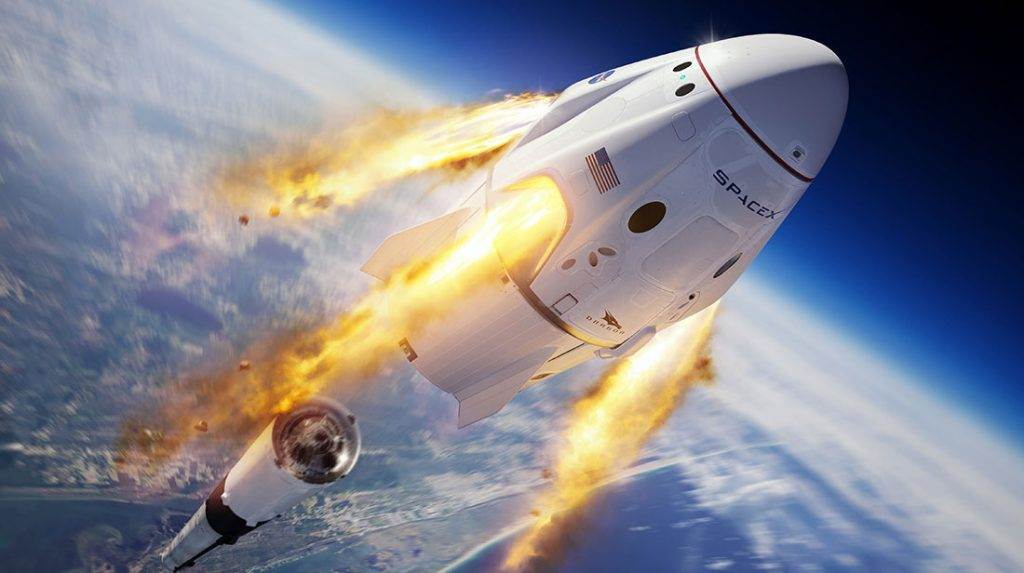
- T+ 1.13 Falcon 9 first stage engine shutdown followed by eight SuperDraco rocket engines firing to separate Dragon 2 from the booster;
- T+ 1.37 Falcon 9 first stage booster breakup;
- T+ 2.23 Dragon 2 unpressurized trunk separation and reorientation of heatshield for reentry occurring near peek altitude;
- T+ 4.44 Parachute cover separation and mortars fire to deploy two drogue parachutes, altitude approximately 20,000 feet;
- T+ 5.33 Four main 116’ diameter MK3 parachutes deploy in reefed mode;
- T+ 5.57 Main parachutes unfurled, altitude about 6,500 feet;
- T+ 8.58 Splash down.
Dragon 2 performance statistics:
- Peak velocity 2.2 Mach;
- Peak altitude 131 K feet:
- Max departure g load 3.5;
- Max return g load 2.3;
- Landing velocity 20-25 feet / sec.
The Falcon 9 booster was fueled, including the second stage. The first-stage was making its fourth flight. Shortly after the Dragon separated from the booster the first stage was destroyed as expected due to aerodynamic forces. However, the second stage continued intact for some time.
The Dragon 2 spacecraft was brought back to port the following day. The spacecraft trunk was also recovered in relatively good condition. Presuming no surprises, once the flight data is reviewed, a crewed flight to the International Space Station can take place in Q2 of this year.
Image at top is an artist conception. All images below are actual photos.
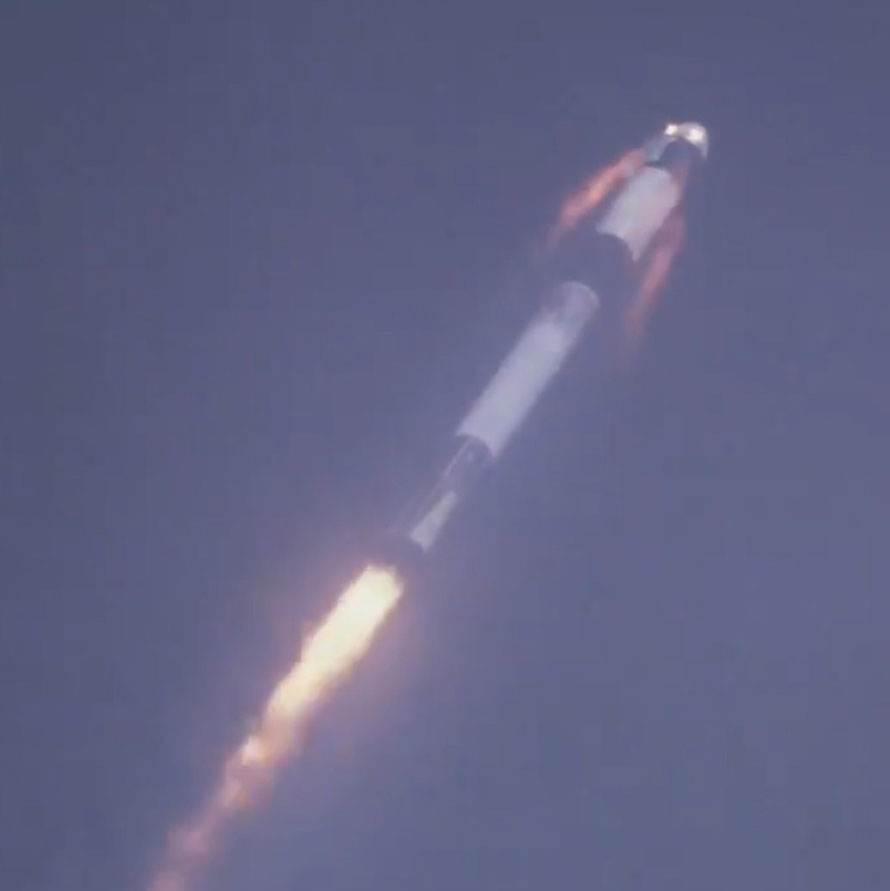
Dragon separates from booster
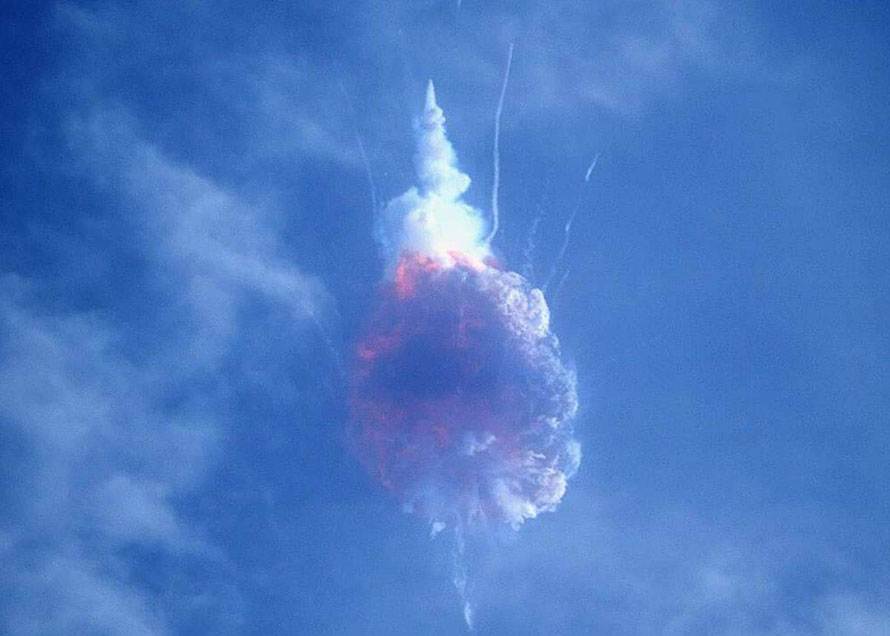
Booster explodes as expected
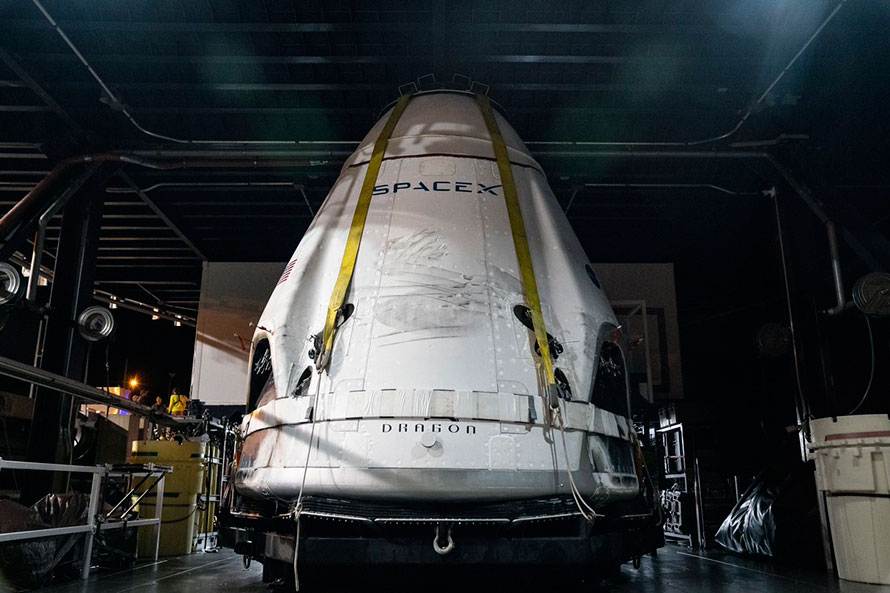
Dragon 2 spacecraft brought back to port after the flight.
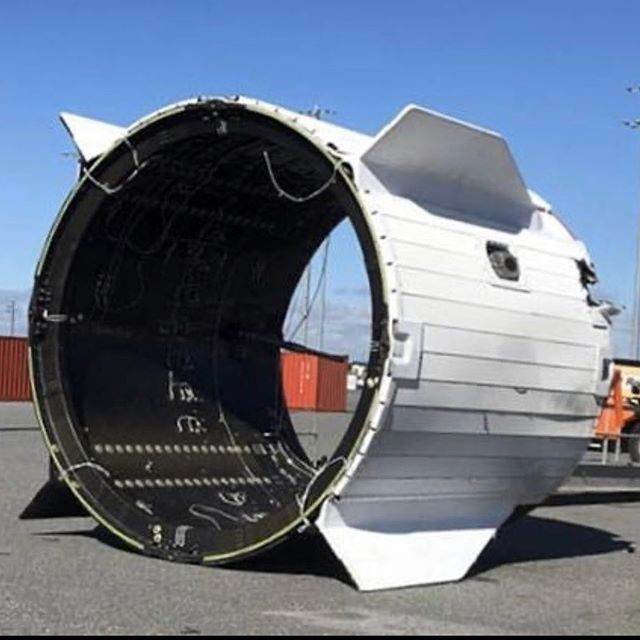
Recovered trunk.








3 thoughts on “Dragon 2 In-Flight Abort Demonstration”
Awesome news for SpaceX!
Finally the US will have manned launch capability, and not need to pay for rides to Leo! It took NASA longer to replace the shuttle than it took to go to the Moon! Way to go Space X.
Found a great National Geographic video on Elon Musk and SpaceX.
https://www.youtube.com/watch?v=ZGqLP-3UFQA