National Space Society

Share:

Facebook
X
Pinterest
LinkedIn

by Dave Fischer

Commercial Reusable Suborbital Research Program

NASA has awarded $475,000 as part of its program to development recoverable launch vehicles to be used for small payloads going to “near-space,” the region of Earth’s atmosphere between 65,000 and 350,000 feet. The awards were made under the CRuSR program (Commercial Reusable Suborbital Research Program). NASA’s press release states:

The CRuSR program fosters the development of commercial reusable transportation to near space. The overall goal of the program is regular, frequent and predictable access to near-space at a reasonable cost with easy recovery of intact payloads.

The awards were made to Armadillo Aerospace, home to the Super-Mod vehicle, and Masten Space Systems, home to the Xaero vehicle.

Armadillo will fly three missions from Spaceport America in New Mexico. Two are schedule for an altitude of nine miles each, and the third is scheduled for 25 miles (132,000 feet – 40,200 meters).

Masten will fly four missions this winter from the Mojave Spaceport in California. Two of the flights are slated for three miles and two are slated for 18 miles (95,000 feet – 29,000 meters).
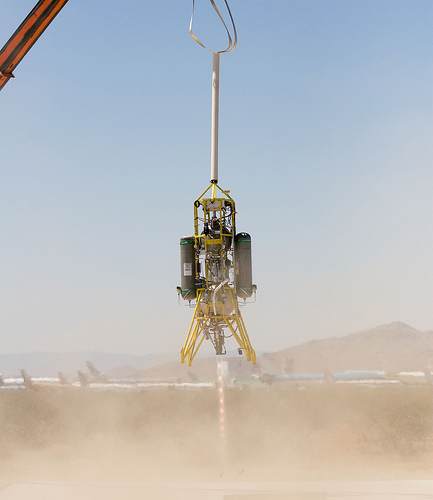
Masten Xaero vehicle

Share:

Facebook
X
Pinterest
LinkedIn
Picture of By National Space Society

By National Space Society

Leave a Comment

Don't Miss a Beat!

Be the first to know when new articles are posted!

Search
Categories

Follow Us On Social Media

JOIN THE
GREATEST ADVENTURE

Give The Gift Of Space: Membership For Friends and Family

Book Review

Out of This World

Book Review: Out of This World

Anyone seeking a short but comprehensive introduction to human spaceflight would do well to start with this book. It reviews its history, highlights the accomplishments and tragedies, and describes the equipment used. It also looks at living in space, what space travelers experience, and how they work.

Read More »
desigining farms in space

Book Review: Designing Farms in Space

Meyer’s academic textbook is loaded with numerous photographs, diagrams, charts, and graphs. There are chapters on subjects such as farm machines, animal and fungi production, plant and algae production, and space menus. The farming techniques outlined in the book can be applied to lunar, Martian, or rotating space settlements.

Read More »
Archives


Hilton McLean Tysons Corner, McLean, Virginia
June 4 - 7, 2026

Recent Blog Posts

In this NSS Space Forum, astronaut and former U.S. Navy test pilot Susan Kilrain joins us to discuss her new book, Slaying Snakes in the...
Anyone seeking a short but comprehensive introduction to human spaceflight would do well to start with this book. It reviews its history, highlights the accomplishments...
The Space Coast has extraordinary assets and an opportunity to continue its preeminence as a spaceport while becoming a destination for a new generation of...

The National Space Society (NSS) enthusiastically welcomes NASA’s proposed PROMISE lunar lander, a bold step forward in expanding scientific access, mobility, and capability across the...

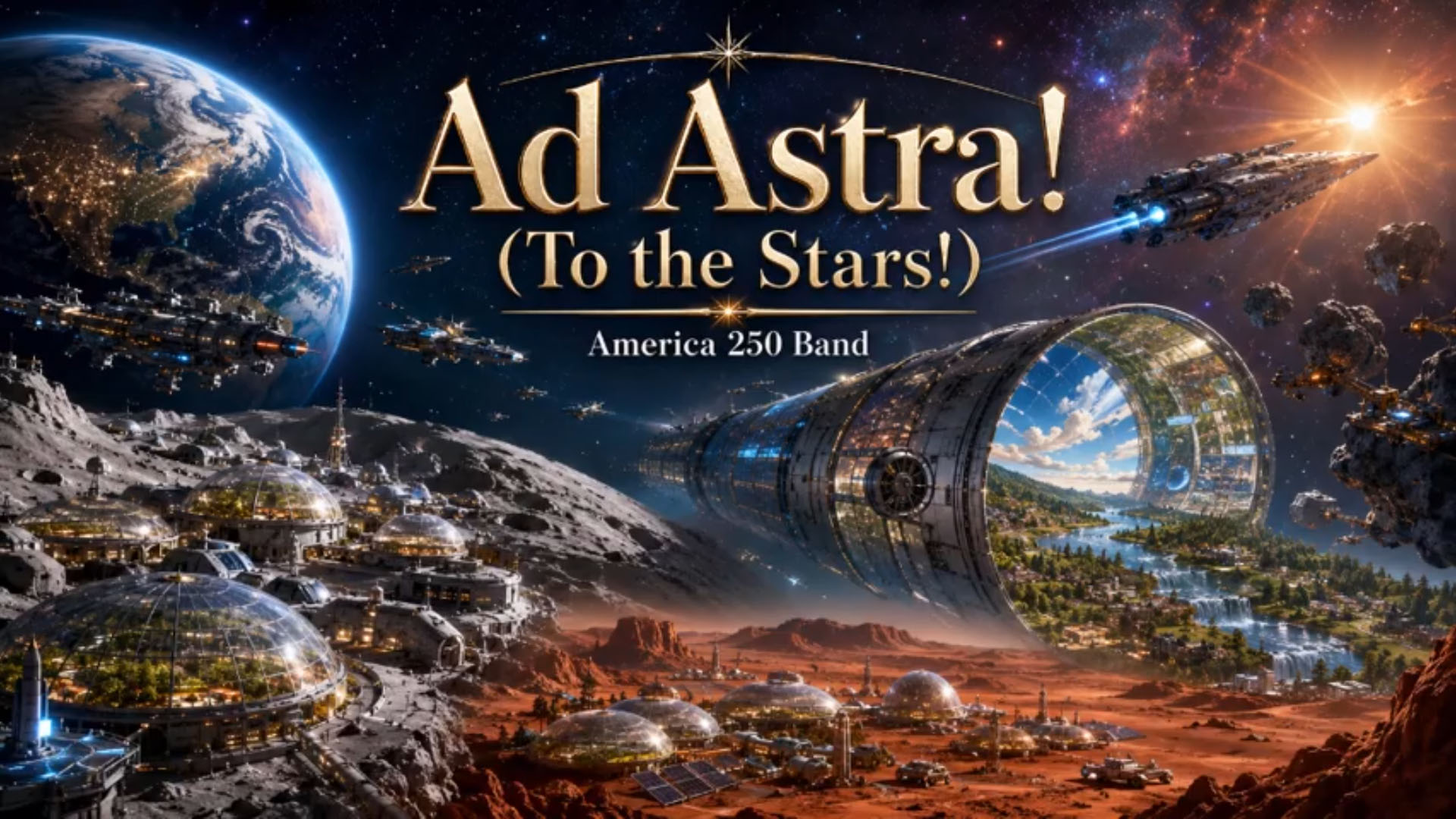
This bold song was painstakingly composed to capture the true essence of that call, "Ad Astra," and covers the future progress of humankind as it...
Back in 1966, Luna 9 became the first spacecraft to soft-land on the Moon. Apogee Books has provided an English-language NASA translation of a detailed...

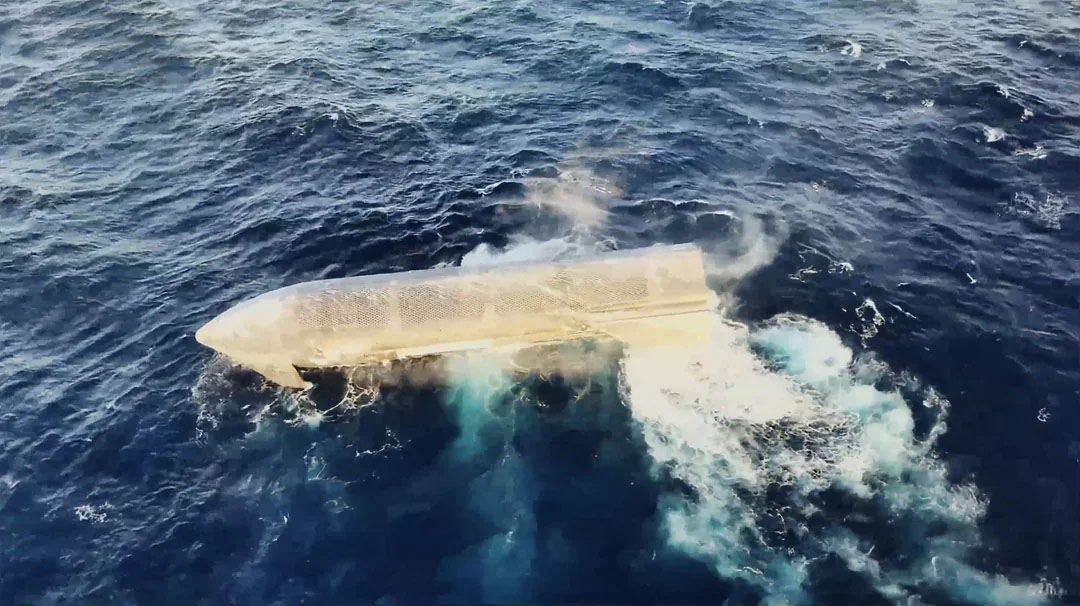
By Burt Dicht NSS Space Coast Correspondent Image: Starship 13 after “landing” in the Indian Ocean. Last week I had the opportunity to speak to...

On July 20, 2026, 151 people gathered for a special brunch at Space220 in EPCOT at Walt Disney World to celebrate National Space Exploration Day,...
adastra magazine

Your Doorway to New Worlds