
(Washington DC, June 16, 2015) On July 14th, NASA’s New Horizons mission will make its closest approach to the Pluto system, completing the first reconnaissance of the Solar System, begun over 50 years ago by NASA. With the completion of the Pluto flyby by New Horizons next month, NASA will have completed successful missions to every planet in the Solar System from Mercury to Pluto.
To celebrate, NSS commissioned a short video film titled “New Horizons,” which is being released today. The stirring video recognizes the historic culmination of this era of first planetary reconnaissance, for which the United States will be forever inscribed in history. New Horizons, can be watched and shared here:
National Space Society’s New Horizons Video
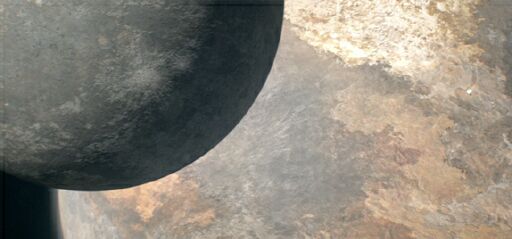
“NSS is delighted to support the New Horizons mission by helping to share this exciting milestone in space exploration with the general public in America and around the world,” said NSS Senior Operating Officer Bruce Pittman.
The New Horizons video was funded by contributions to NSS made by New Horizons mission partners Aerojet Rocketdyne, Ball Aerospace, Lockheed Martin, and United Launch Alliance. New Horizons was directed and produced by Erik Wernquist, whose video Wanderers, looking to the future of solar system exploration by humans, created a viral sensation last year. New Horizons principal investigator and NSS member Alan Stern served as advisor to the video.
“As both an NSS member and the Principal Investigator of New Horizons, I’m excited about this beautiful film—and very appreciative of the efforts of NSS and its sponsors to create this. It really is stirring; I hope you’ll think so too.” said Alan Stern.









1 thought on “The National Space Society Releases a Stirring Video to Salute the Arrival of NASA's New Horizons Spacecraft at Pluto and the Completion of the First Reconnaissance of the Planets by NASA”
Please tell me how to get the synthesize music from the video without dialogue. Please include the name of the original piece. This video with its musical accompaniment brings tears to my eyes every time I watch and listen to it! We’re privileged to the gaze out from our research station, Earth, and explore the edge of forever!