This Space Available
By Emily Carney
In 2019 when Apollo 11 50th anniversary mania was underway, space photo historian J.L. Pickering received a phone call that would kickstart his latest project alongside co-author John Bisney: the son-in-law of legendary NASA photographer William “Bill” Taub called him to see if he had any interest in a large number of photos, negatives, and slides available in Taub’s estate. Pickering agreed, and the happy result of going through the massive collection is now available via Purdue University Press. Photographing America’s First Astronauts: Project Mercury Through the Lens of Bill Taub, Pickering and Bisney’s sixth book, immediately transports the reader to a time when spaceflight was beginning to become a reality, and America’s first seven astronauts were celebrities possessing unequaled old-school cool. Pickering and Bisney’s latest volume contains over 600 photos from Taub’s collection and is truly a treasure trove for those who love vintage space photography.
The Mercury astronauts — Alan Shepard, Virgil I “Gus” Grissom, John Glenn, Scott Carpenter, Wally Schirra, Gordon Cooper, and Donald K. “Deke” Slayton — were immediately transported from anonymity to international celebrity following their 1959 selection press conference. This sudden change in status (and, frankly, loss of privacy) couldn’t have been easy for the men and their families, who were used to living somewhat nomadic lives in the military. So it’s moving to view how Taub made the astronauts feel comfortable despite the constant media glare surrounding them.
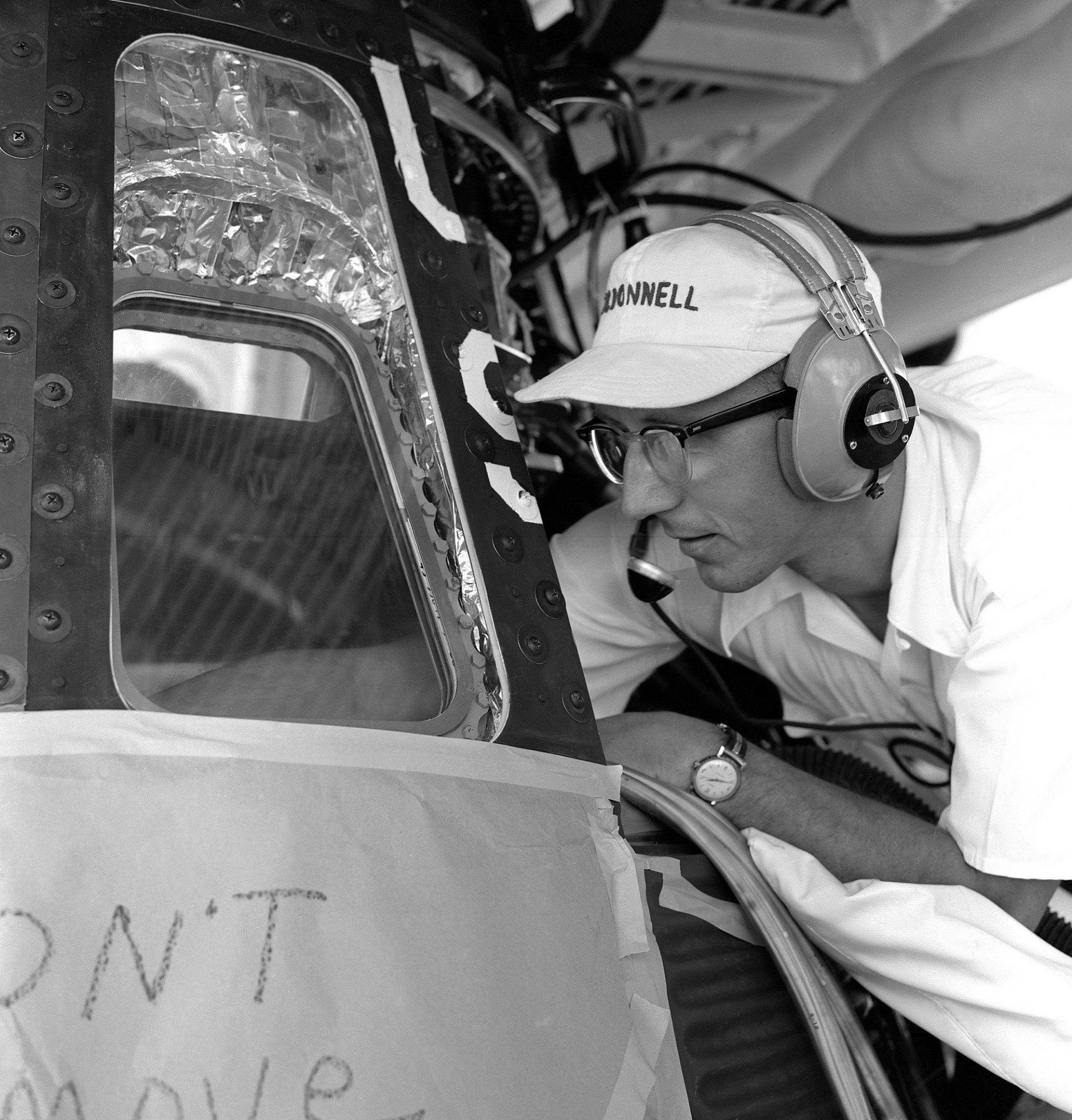
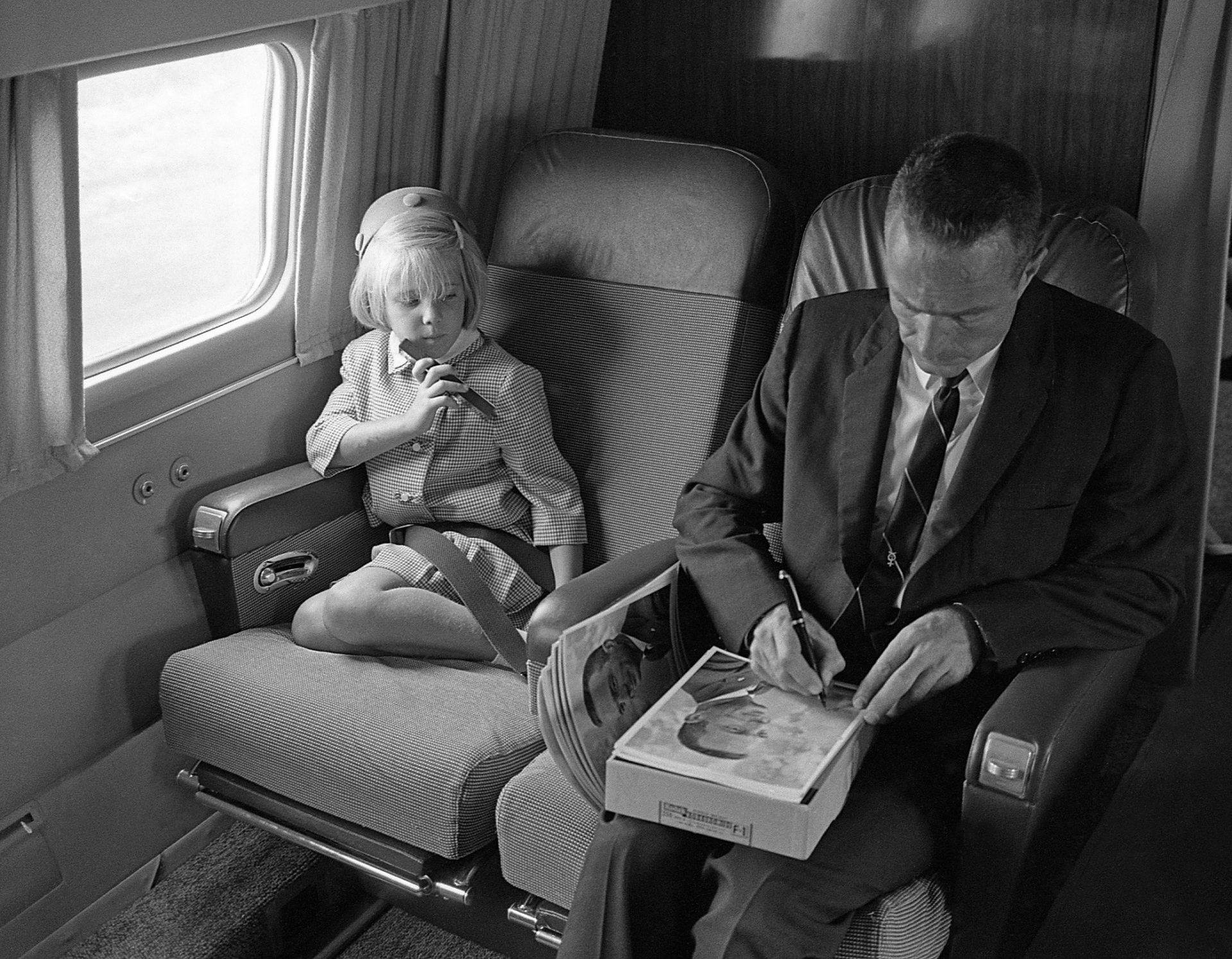
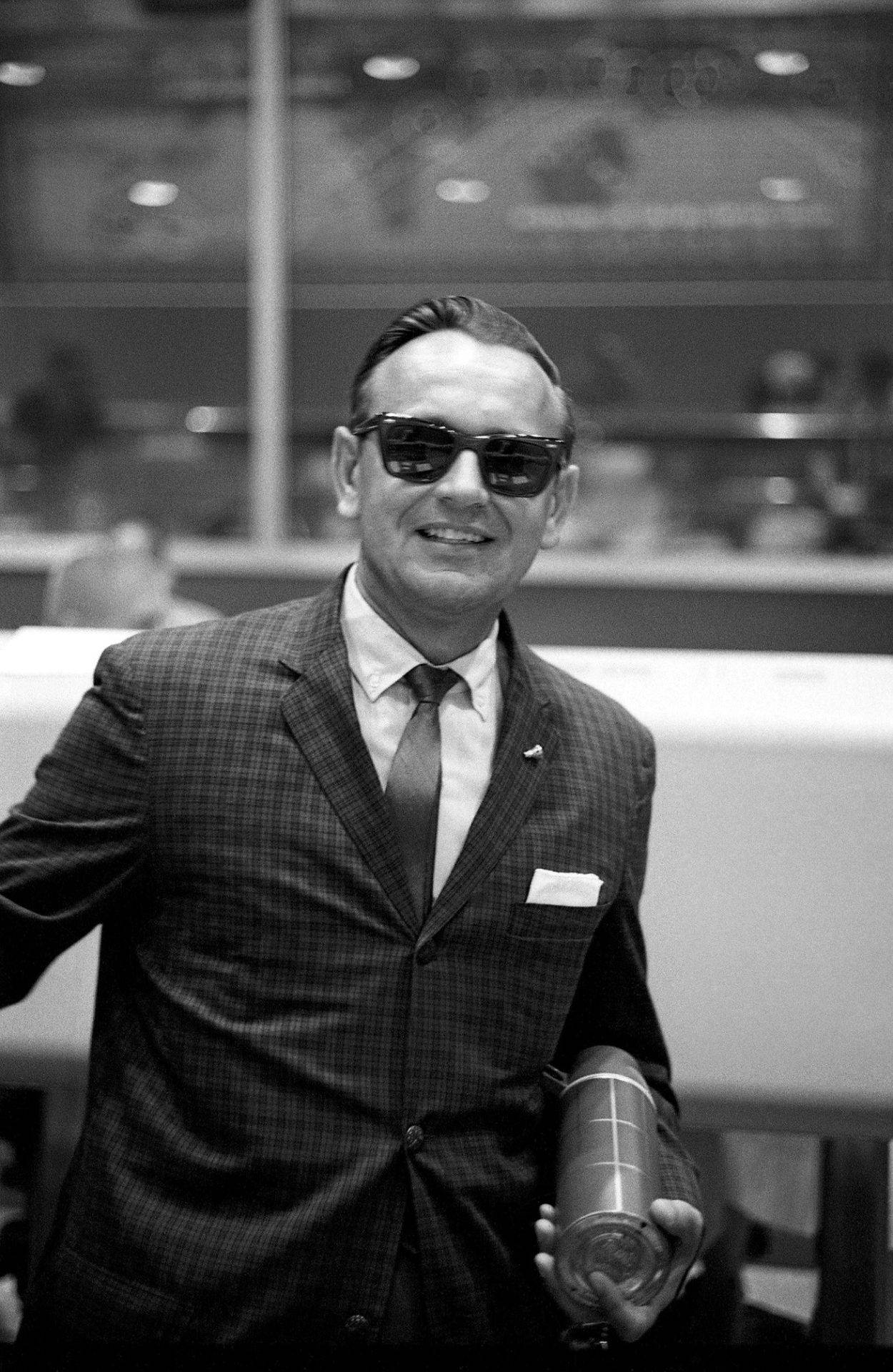
Taub was allowed almost unfettered access into the world of the Mercury astronauts, and many of the unposed candid photos underscore how relaxed the astronauts and other NASA personnel were through his camera’s lens. We see a Carpenter who goofs around in front of Taub (and even lights a cigarette or two around the photographer’s lens); a shirtless Grissom, one of the more serious and taciturn Mercury astronauts, even breaks into an effortless smile around Taub as he undergoes medical testing. The sometimes intimidating Chris Kraft, the dean of Mission Control, is photographed looking unbelievably cool leaving work following the MA-4 mission; a certain sense of style went hand-in-hand with the world’s leading engineering might during the Mercury era.
The early NASA human spaceflight program — which grew to number thousands as the U.S. space agency set its sights on the Moon — has a wonderful, smaller “family” feel through Taub’s lens. One becomes quickly familiar with the seven astronauts, essential personnel including Kraft, and other NASA legends such as Dee O’Hara, the astronauts’ nurse and one of their most trusted confidantes. Shorty Powers, NASA’s first public affairs officer, is also showcased, and for the first time, we see candid photos of him clowning alongside the Mercury astronauts. The mood is very casual and laid-back, not uptight and manicured. Pickering and Bisney’s book emphasizes how truly intimate and “personal” early human spaceflight was, as the program started with brief suborbital flights leading into more complicated piloted missions; for example, Gordon Cooper’s Faith 7 flight, increasingly beset by problems, was saved in no small part due to Cooper’s skill.
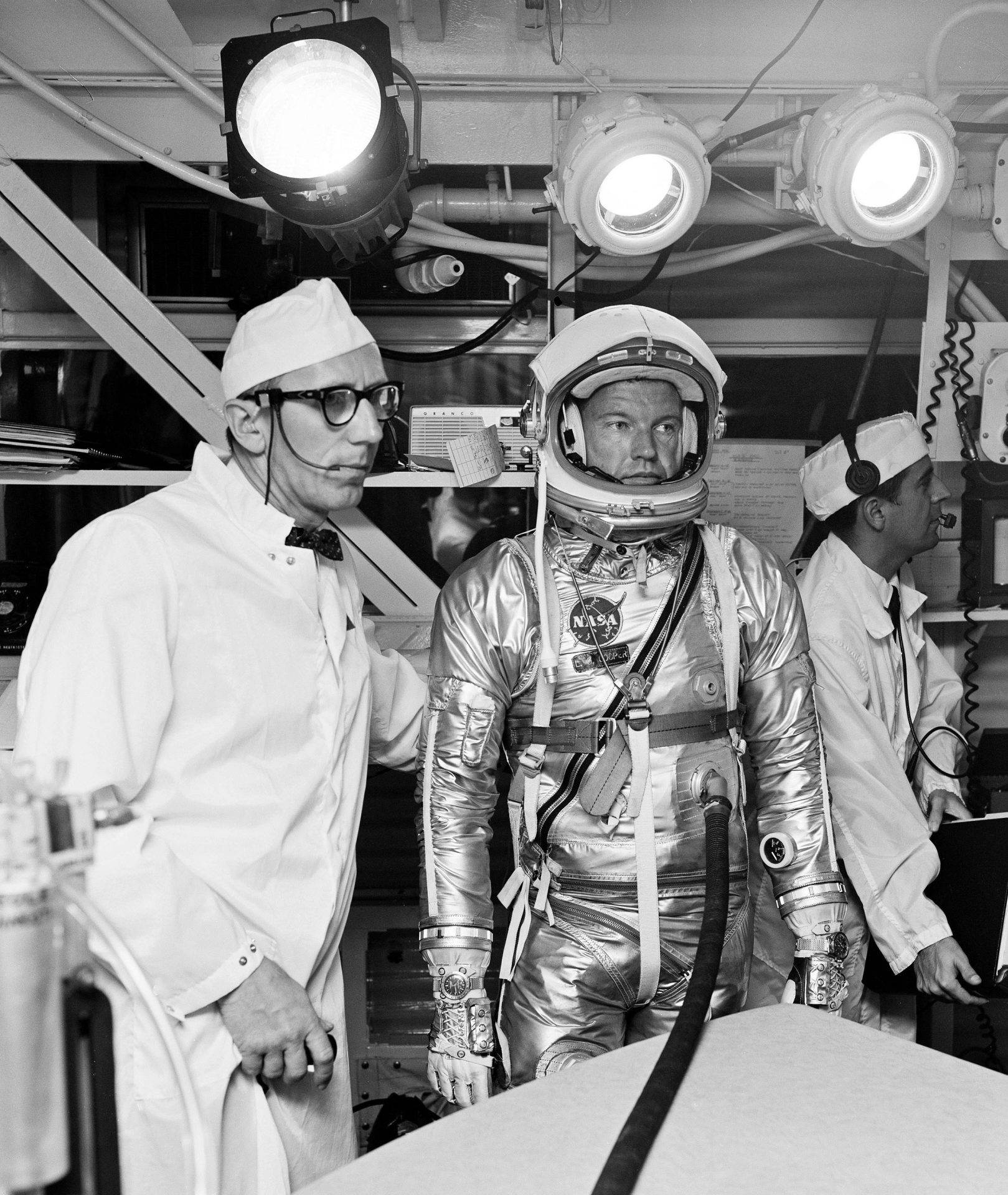
The Mercury Project recently closed in on 60 years since Cooper’s 1963 flight; in 2025, spaceflight enthusiasts will begin celebrating the Gemini program’s 60th (!) anniversary. As the decades pass, it’s easy to forget how incredible and trailblazing the early U.S. spaceflight efforts were. New generations who swoon over the Apollo lunar missions may have less of an impression of the Mercury program, which lurks further back in time (and has fallen victim to several myths and legends). Pickering and Bisney’s restorations of Taub’s work are essential for casual and hardcore space fans alike, as the images capture a time when wonders were many and human capability was beginning to seem limitless.
From Kennedy Space Center Visitor Complex: “On [Monday] May 29, J.L. Pickering & John Bisney are back to sign their latest book entitled Photographing America’s First Astronauts: Project Mercury through the Lens of Bill Taub. The book features more than 600 never-before-seen images by NASA’s first staff photographer, Bill Taub. Taub went everywhere with the Mercury astronauts, capturing their daily activities from 1959 to 1963. As a result, his photos provide a unique and intimate behind-the-scenes look at the people and operations of Project Mercury in real time.
“From 2:00–3:00 PM, both authors will be available to sign copies of this book, available for purchase at Shuttle Express. Pickering and Bisney will sign copies of their books, but no other items will be eligible.”
*****
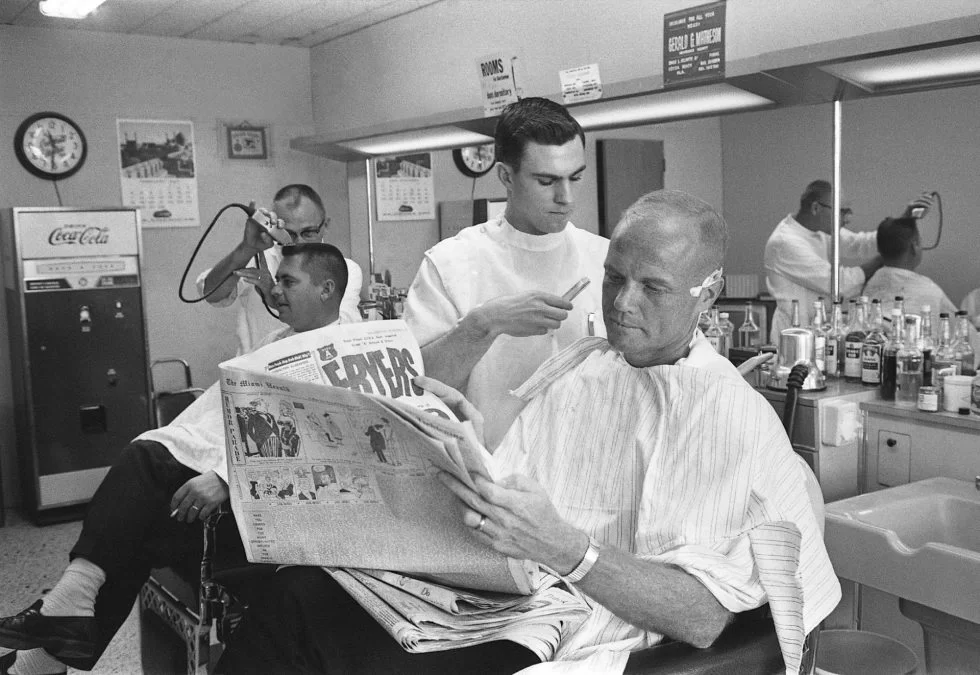
Top photo credit: “[John] Glenn reads a back issue of the Miami Herald while getting a haircut in Cocoa Beach at 11:30 am [on January 23, 1962]. He was not restricted to the Cape but only left for an occasional dinner, church, and this trim, which cost $1.50. Wally Schirra said Glenn got frequent trims to ensure a good helmet fit.” Photo by Bill Taub reposted with permission from the authors of Photographing America’s First Astronauts.
This article was previously published on Medium.
Emily Carney is a writer, space enthusiast, and creator of the This Space Available space blog, published since 2010. In January 2019, Emily’s This Space Available blog was incorporated into the National Space Society’s blog. The content of Emily’s blog can be accessed via the This Space Available blog category.
Note: The views expressed in This Space Available are those of the author and should not be considered as representing the positions or views of the National Space Society.