The National Space Society (NSS) is responding to the Office of Management and Budget’s proposed Fiscal Year 2027 budget for NASA. While the Society welcomes several forward‑looking elements of the proposal, such as transitioning resources away from the Gateway lunar station and a responsible phase‑out of the Space Launch System (SLS), NSS strongly opposes sharp reductions to International Space Station (ISS) operations and to NASA’s Science Mission Directorate.
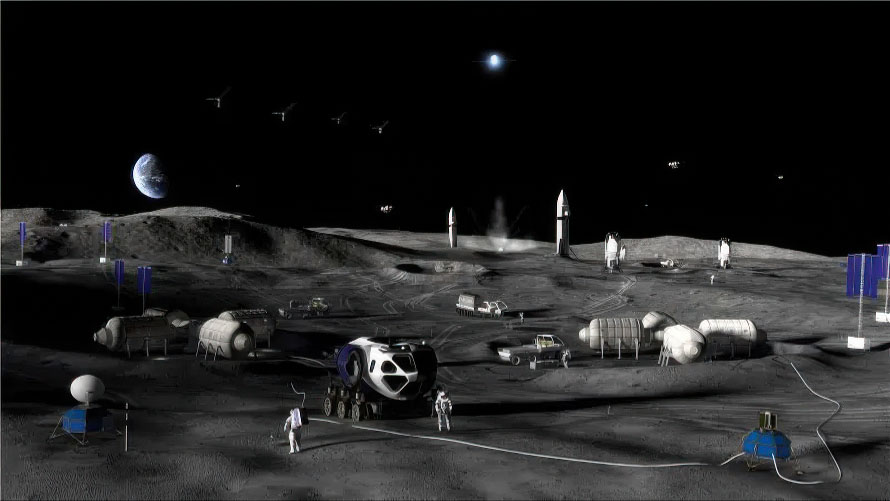
NSS supports the administration’s proposal to repurpose Lunar Gateway funds to the construction of a lunar base and an increased cadence of robotic lunar missions as part of the Commercial Lunar Payload Services Program (CLPS).
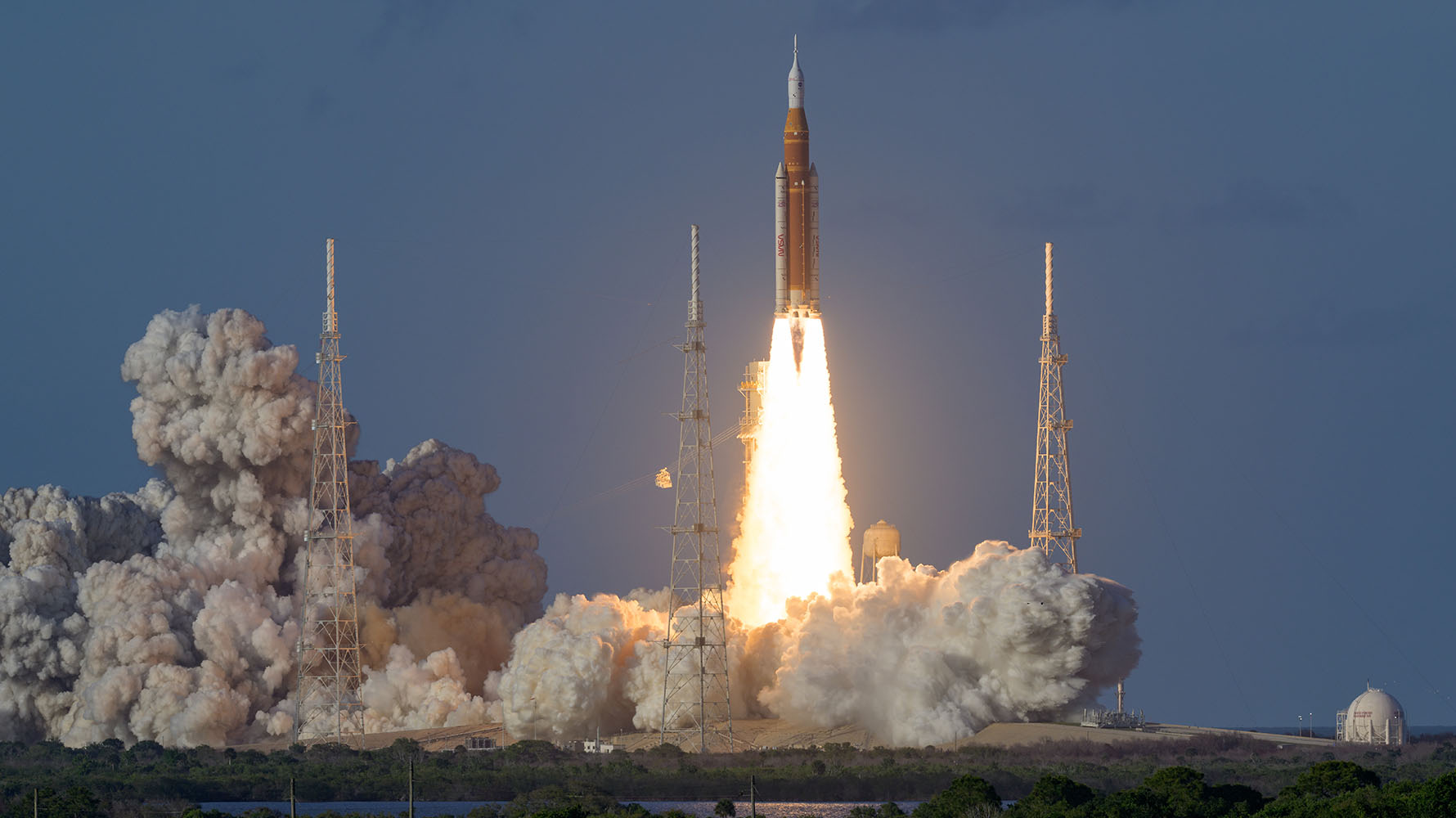
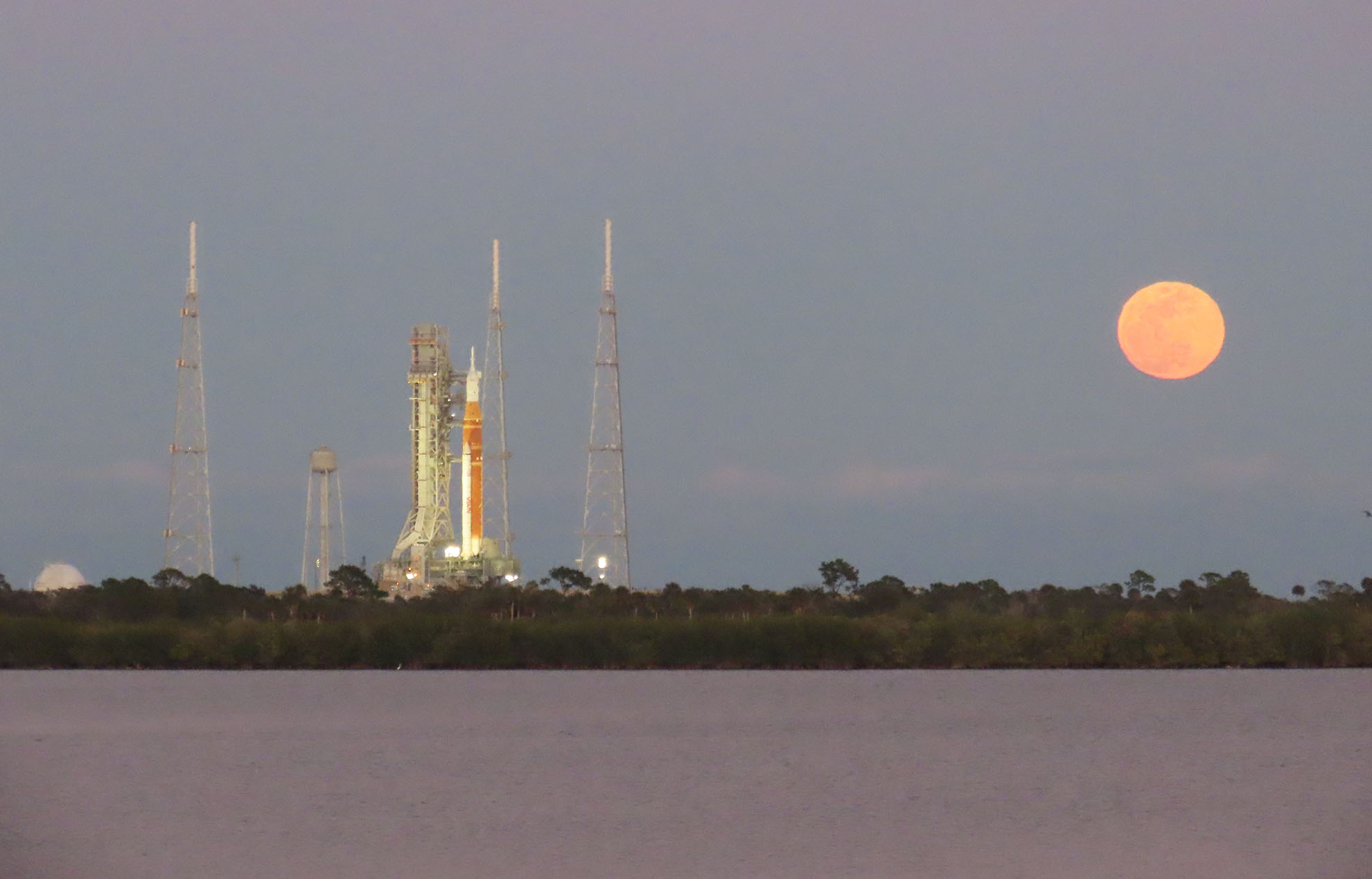
The Society also supports the proposed phase‑out of the SLS program in favor of a competitive, commercially driven launch marketplace. NSS has consistently advocated for a transition toward lower‑cost, higher‑cadence commercial heavy‑lift systems that can accelerate space development, reduce taxpayer burden, and expand opportunities for both government and private missions.
However, NSS is deeply concerned by proposed reductions to ISS operations and research, which would undermine America’s leadership in low-Earth orbit (LEO) at a critical moment. NSS believes these proposed changes are unwise and counterproductive.
To ensure a gapless transition to commercial LEO stations during the same time period as a station de-orbit vehicle is being built, it is essential that Commercial LEO Destinations be fully funded, and at increasing levels, and that cargo/crew to the ISS be maintained or even increased to support growing commercial research on the ISS being done in preparation to the transition to commercial LEO stations. The ISS remains the nation’s most productive platform for microgravity science, biomedical research, technology maturation, and commercial LEO development. Prematurely reducing support risks destabilizing the transition to commercial space stations and jeopardizes decades of investment.
The Society also opposes cuts to NASA’s Science Mission Directorate. NASA’s science program and missions are an integral part of American global leadership and prowess. NASA’s scientific research directly fuels commercial space enterprises, and the astrophysics and heliophysics budgets are of special importance to space development and should be preserved from all cuts. Drastic cuts to space science funding would undermine America’s leadership in space exploration and jeopardize the burgeoning space-based economy.
“The FY27 proposal contains promising steps toward a sustainable exploration architecture, but it also introduces unacceptable risks to America’s scientific leadership and our continuous presence in low Earth orbit,” said Grant Henriksen, chair of the NSS Policy Committee. “A strong NASA requires both a robust exploration program and a fully funded science portfolio. These are not competing priorities—they are mutually reinforcing pillars of U.S. space leadership.”