National Space Society

NSS North Texas Chapter Learns about Planetary Defense

Dr. Kelly Fast, NASA

Share:

Facebook
X
Pinterest
LinkedIn

By Robin Scott
Image: Dr. Kelly Fast, NASA’s Near-Earth Object (NEO) Observations Program Manager (courtesy NASA)

Inspired by the recent NASA Double Asteroid Redirection Test (DART) Mission launch, on Dec. 12, 2021, National Space Society of North Texas (NSS-NT) was proud to host Dr. Kelly Fast, NASA’s Near-Earth Object (NEO) Observations Program Manager, who presented “Finding Asteroids Before They Find Us: Planetary Defense at NASA.” Planetary defense has advanced with the specific tasking in the NASA Authorization Act of 2005, establishment of the Planetary Defense Coordination Office (2016), release of the White House’s National Near-Earth Object Preparedness Strategy and Action Plan (2018), and the launch of the DART mission (impact on September 26, 2022). Dr. Fast’s office’s mission statement demonstrates their goal to “mitigate impact effects on human welfare.”

NASA’s Planetary Defense Coordination Office is dedicated to both finding NEAs and envisioning options to defend the Earth from NEAs. Dr. Fast described NEOs, which are Near Earth Asteroids (NEAs) and comets, that orbit within 1.3 astronomical units (28-million miles) of the Sun. Potentially Hazardous Objects (PHOs) is the subset of NEOs, which can come within 4.65-million miles of the Earth’s orbit and are larger than 140-meters in size. Should a PHO impact the Earth, regional or worse damage would occur.

For finding NEOs, the Catalina Sky Survey and the Pan-STARRS telescopes have been in the forefront, new telescopes in Chile and Africa are being built, and other telescopes add information to help calculate a NEOs orbit and determine where it will be in the future. Dr. Fast described a telescope with new capabilities for future finds, NASA’s Near-Earth Object Surveyor, currently in development.

After a candidate NEO is found, a determination of possible impact is made even before the determination that it is a new NEO discovery. In the case of the NEO being a credible threat, NASA would inform the White House and other government agencies through its notification policy protocol. NASA is also part of the International Asteroid Warning network which would inform the United Nations (Committee on the Peaceful Uses of Outer Space [COPUOS]/ Office for Outer Space Affairs [OOSA]), who would inform their member states. Within eight hours of a real impact situation in 2018, Dr. Fast showed how the determination system was tested. More information can be found at nasa.gov/planetarydefense and by following NASA @AsteroidWatch on Twitter.

Share:

Facebook
X
Pinterest
LinkedIn
Picture of By National Space Society

By National Space Society

Leave a Comment

Don't Miss a Beat!

Be the first to know when new articles are posted!

Search
Categories

Follow Us On Social Media

JOIN THE
GREATEST ADVENTURE

Give The Gift Of Space: Membership For Friends and Family

Book Review

Lunacy

Lunacy: A Book Review Essay

This long essay defends the NSS Vision against those who, like the author of the book being reviewed, think “we shouldn’t colonize Mars or the Moon, or even vacation there.” Ben Bramble, an Australian philosopher who teaches at Australian National University, has penned a YAASS (Yet Another Anti-Space-Settlement) book. These books are multiplying like flies, so space settlement advocates must be gaining ground to generate such an abundant response.

Read More »
HOTOLSkylon

Book Review: HOTOL & Skylon: The Story of Britain’s Spaceplanes

In HOTOL & Skylon: The Story of Britain’s Spaceplanes, Rob Coppinger covers the story of both in great detail, with the reminiscences of many who played integral roles in these ambitious programs. The book shines when it captures the enthusiasm and excitement of those involved, and there are extensive quotes from many who devoted years of work on these projects.

Read More »
Archives


Hilton McLean Tysons Corner, McLean, Virginia
June 4 - 7, 2026

Recent Blog Posts

The National Space Society (NSS) applauds NASA’s latest Moon Base awards and mission announcements, which represent a significant step forward in building the infrastructure, transportation...

This Space Available By Emily Carney Astronaut Susan Still’s (now Kilrain) aerospace career is a catalog of incredible accomplishments: with an impeccable academic and military...

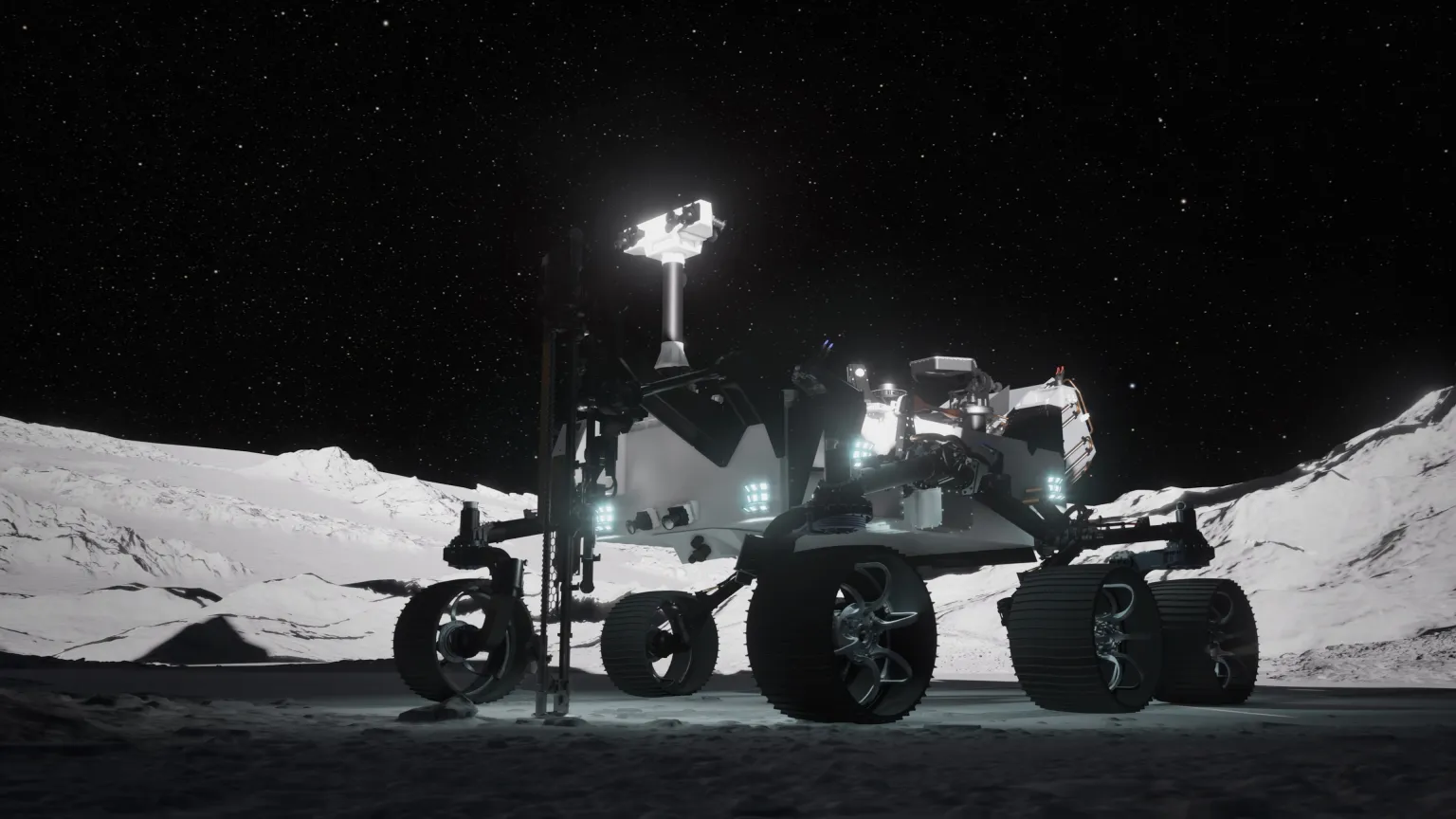
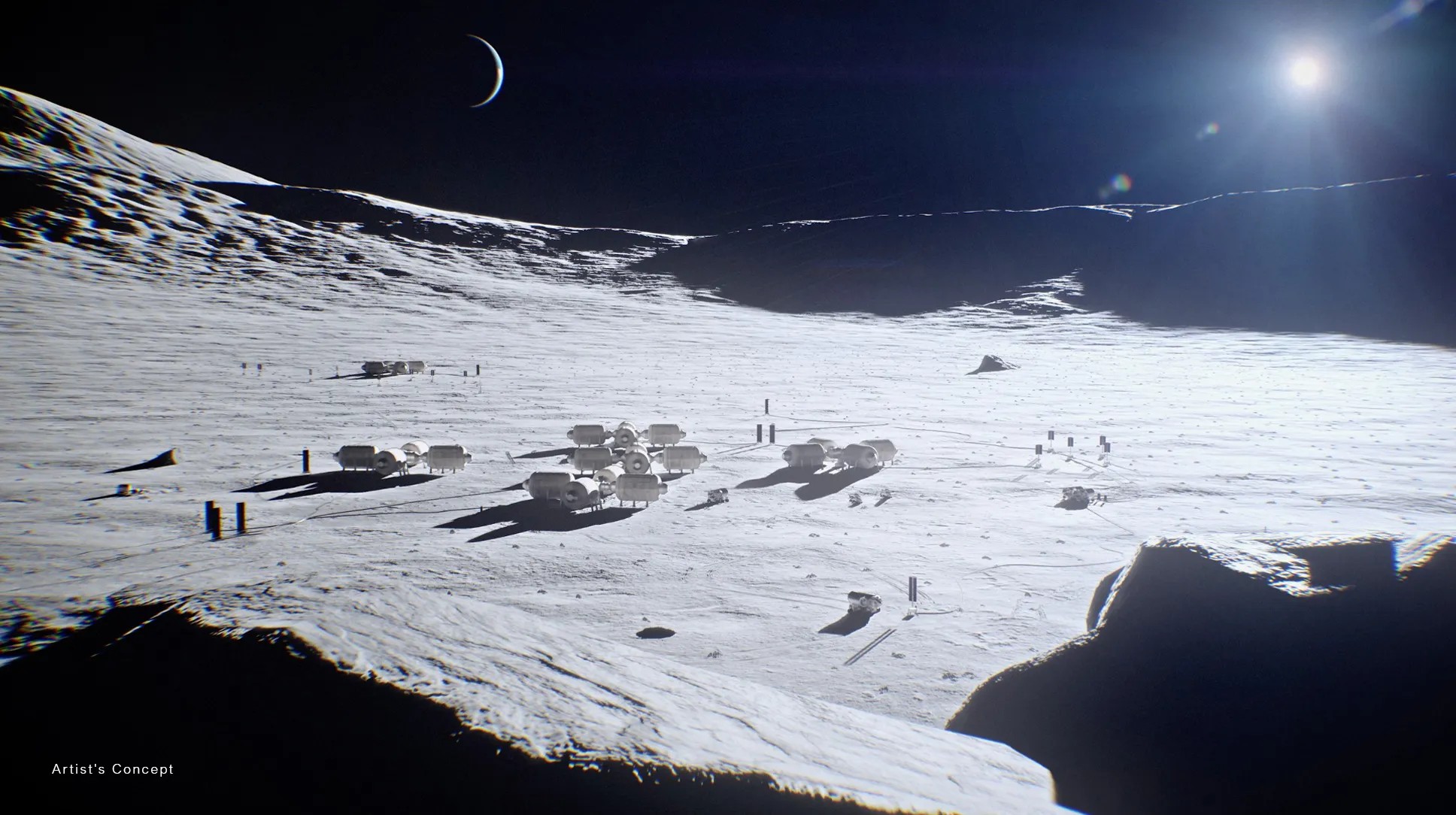
By Burt Dicht NSS Space Coast Correspondent Image: Artist’s concept of living and working at Moon Base, courtesy NASA “We are building the Moon Base...

NSS is pleased to share this inspiring story of how a 17-year-old from Venezuela discovers asteroids. By Miguel Rojas It was the kind of night...

Category: Nonfiction Reviewed by: Clifford R. McMurray Title: Eyes to the Stars: A Memoir for the Space Shuttle Generation Author: Steven A. Hawley, PhD Format:...

Isaacman and NASA Associate Administrator Amit Kshatriya outlined the changes NASA is making to accelerate the Artemis program. Artemis Program Manager Jeremy Parsons followed with...
While most meteorites come from asteroids, a small number originate from the Moon or Mars. Powerful impacts can eject surface rocks into space, where they...
The National Space Society is proud to host the annual Space Settlement Summit at the campus of the University of Central Florida on October 25...
adastra magazine

Your Doorway to New Worlds