
By Burton Dicht
NSS Managing Director of Membership
On the morning of January 28, 1986, I had just left a design review. At the time, I was working as an engineer at Northrop (now Northrop Grumman) in Los Angeles. A colleague reached out to me and told me the space shuttle had been lost. My first reaction was disbelief—this had to be a bad joke.
It wasn’t.
Space Shuttle Challenger exploded shortly after liftoff, taking the lives of the seven astronauts onboard. What followed was not only shock, but a deep and lasting sense of loss—one felt not only within the aerospace community, but across the nation as a whole.
My colleagues were well aware of my interest in the space program. Just a month earlier, I had traveled to the Kennedy Space Center to witness the launch of the Columbia STS-61C mission. That launch was scrubbed and delayed, a schedule shift that ultimately contributed to the postponement of Challenger’s flight. In the months that followed the accident, we learned more about the ill-fated decisions that led to launching on that unusually cold Florida morning.
Forty years later, we continue to reflect on those lessons as we remember the Challenger crew.
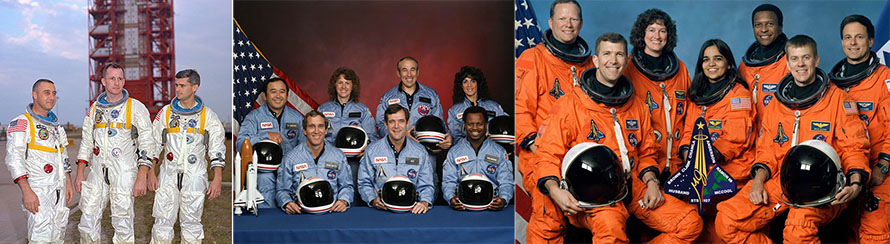
In a tragic alignment on the calendar, the loss of Challenger is bookended by the two other U.S. human spaceflight disasters. A fire during a pre-launch test claimed the lives of the Apollo 1 crew on January 27, 1967. On February 1, 2003, Columbia was lost during reentry, with seven astronauts aboard. Together, these three tragedies claimed the lives of seventeen astronauts—and permanently shaped the course of human spaceflight.
Each year, the space community pauses to honor those lost in the pursuit of exploration. These observances are not simply acts of remembrance; they are moments of reflection and responsibility. As we honor the fallen, we must also reaffirm our commitment to learning from the past and maintaining constant vigilance—because human spaceflight, by its nature, demands it.
This year, I was privileged to attend all three memorial observances held along the Space Coast.
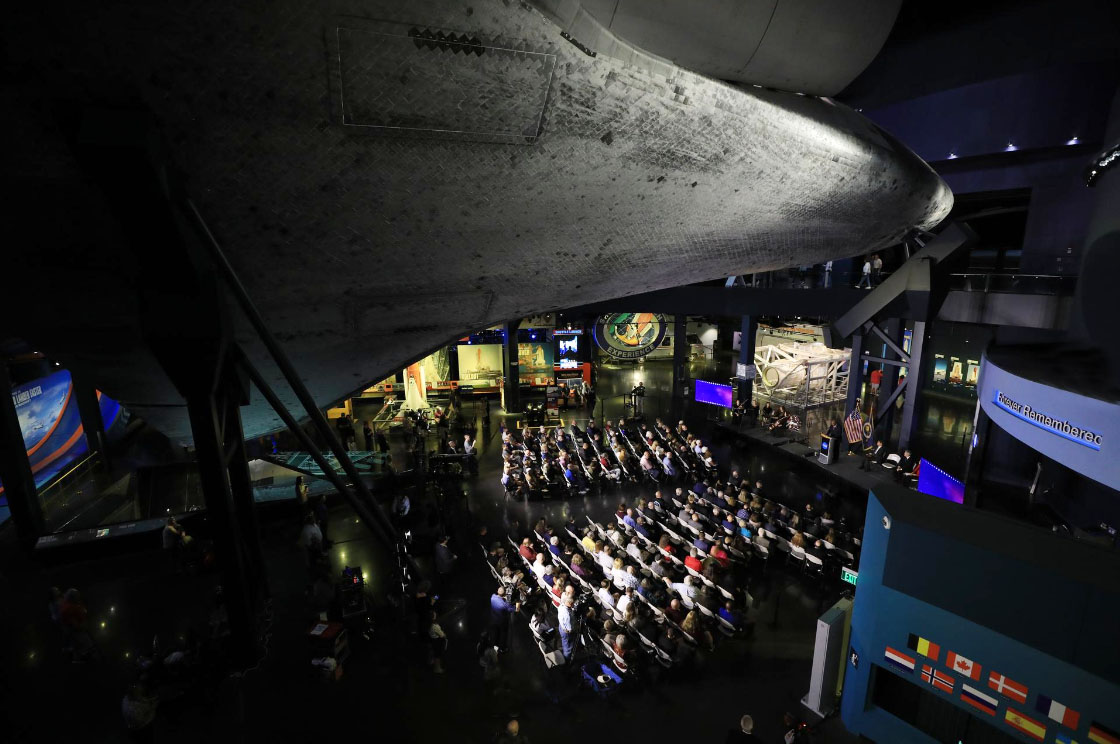
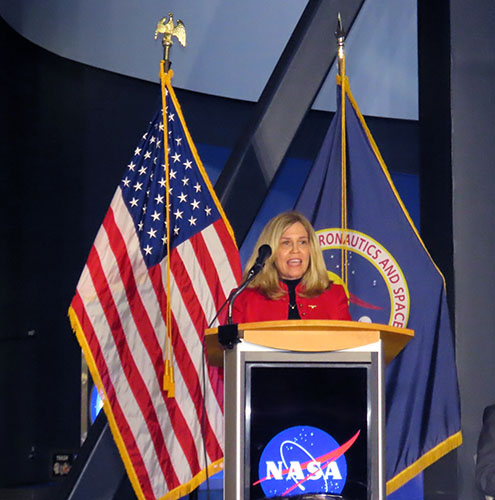
The first was NASA’s Day of Remembrance, held inside the Space Shuttle Atlantis Pavilion. Following remarks from Kennedy Space Center Deputy Director Kelvin Manning and former KSC Director and astronaut Bob Cabana, we heard from Alison Smith Balch, the daughter of Challenger pilot Michael J. Smith. Her reflections on her father were deeply personal and quietly powerful—a reminder that behind every mission patch and program milestone are families who carry these losses every day.
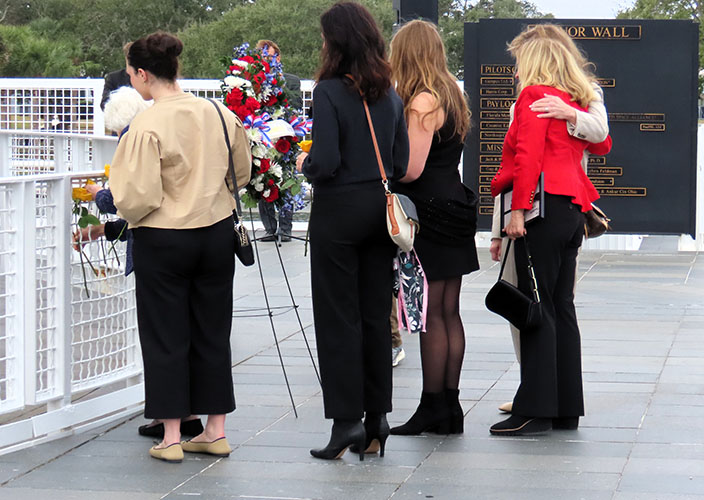
After the remarks, family members and guests proceeded to the Space Mirror Memorial for the laying of the wreath. The mirror, etched with the names of fallen astronauts, stands as both a tribute and a responsibility—a reminder that remembrance and accountability must go hand in hand.
The second observance was hosted by the City of Titusville Flag & Memorial Committee and the American Space Museum at Sand Point Park on Jan. 25. Former astronaut Jan Davis, a three-time Space Shuttle mission specialist, delivered the keynote address and offered a moving reflection on her fallen astronaut colleagues.
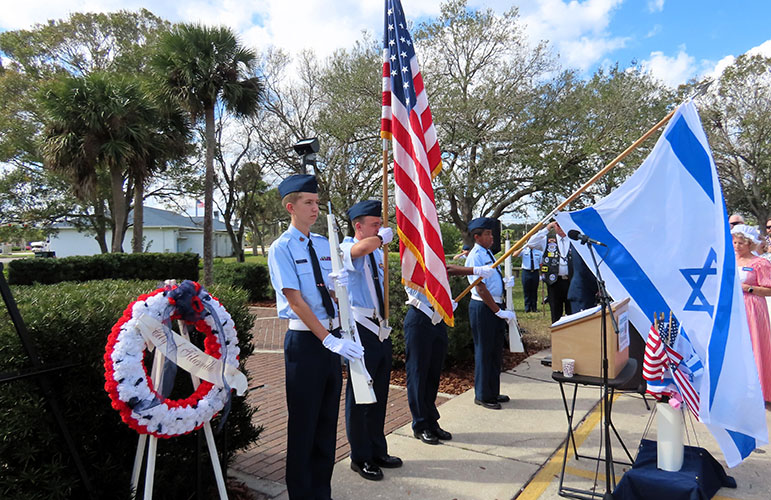
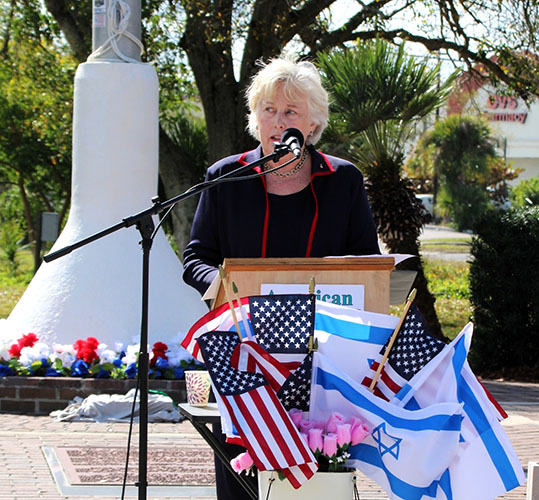
Following her remarks, remembrances of the Apollo 1, Challenger, and Columbia crews were read. I was honored to share the biographies of the Columbia crew. As their stories were spoken, invited guests presented flowers in their memory. As always, the gathering was both solemn and inspirational—grounded in loss, yet reaffirming purpose.
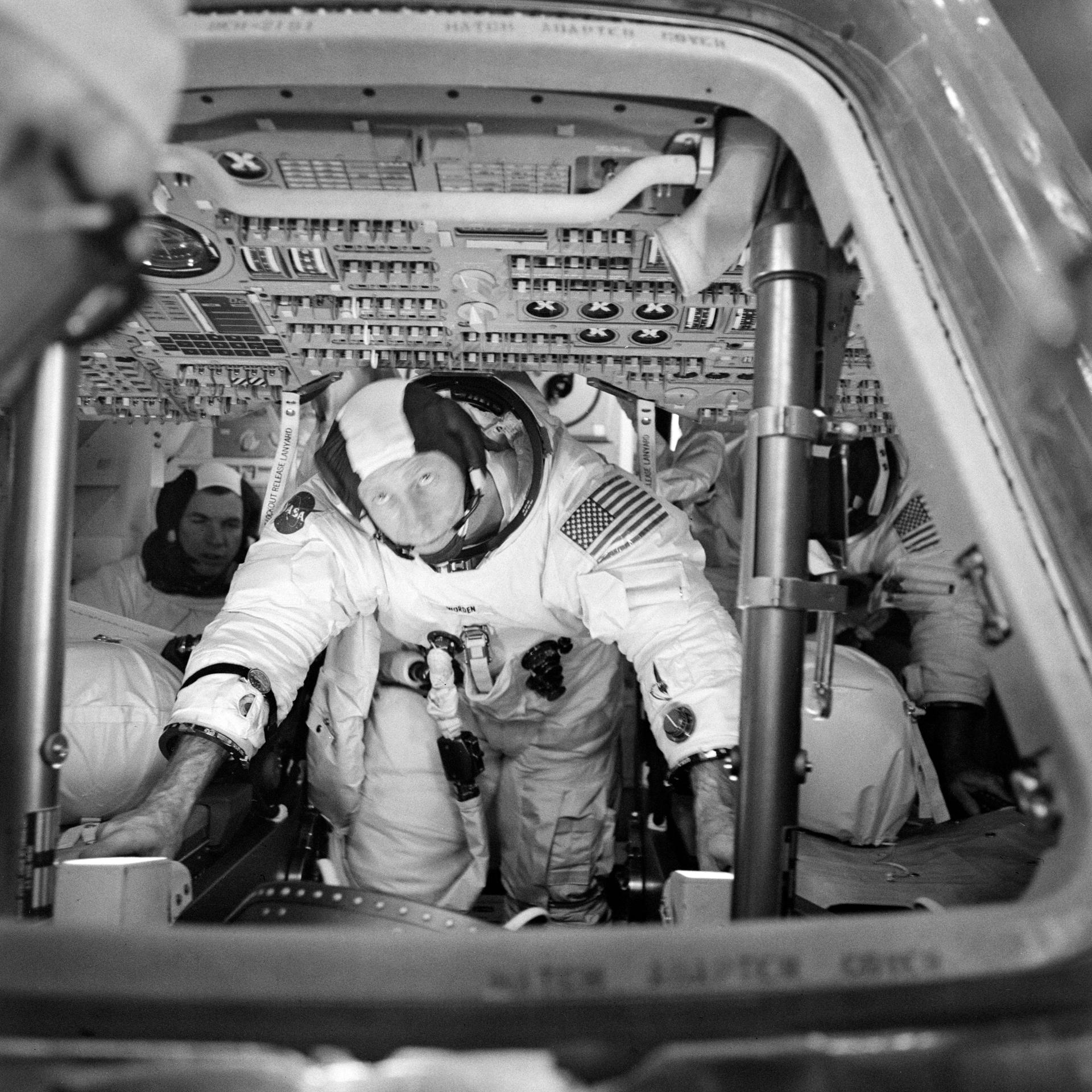
The final and most solemn tribute honored the Apollo 1 crew on the anniversary of the pad fire. This remembrance took place on Jan. 27, at Launch Complex 34, where the tragedy occurred.
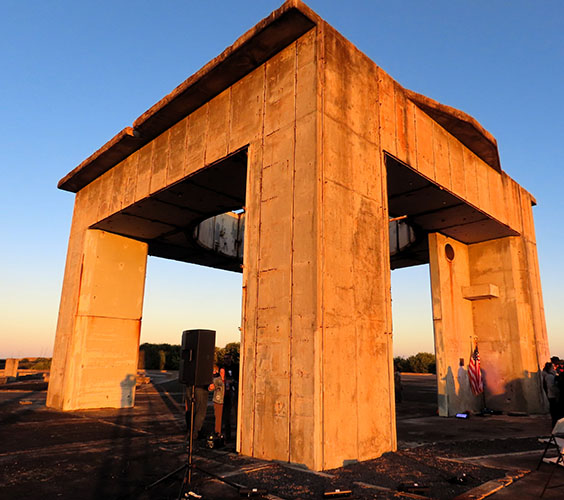
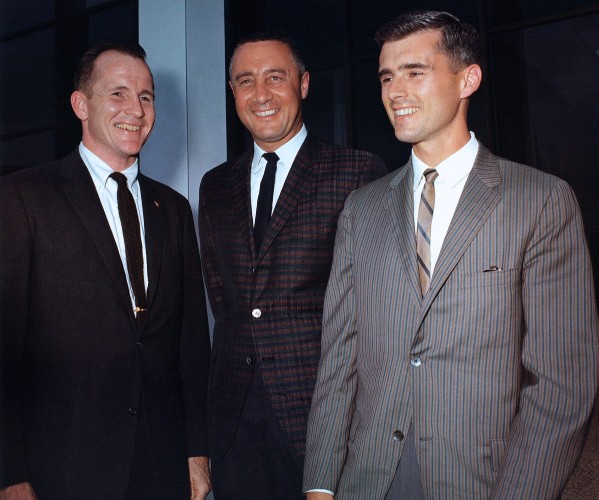
Standing in the shadows of the launch platform, guests assembled to hear reflections on the lives of Gus Grissom, Ed White, and Roger Chaffee. The event was emceed by Space Shuttle astronaut Winston Scott. After remarks from Deputy Director Manning, representatives from the United States Air Force and United States Navy paid tribute to the fallen astronauts.
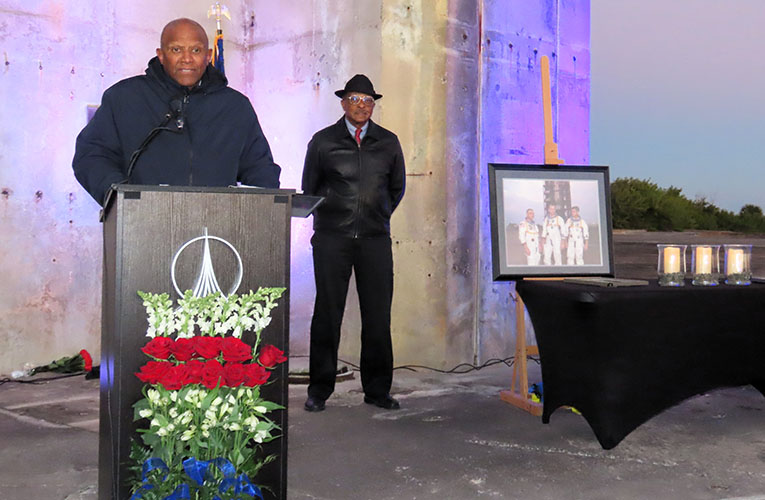
The observance began at 6:00 p.m. and concluded at approximately 6:31 p.m., coinciding with the moment the fire broke out nearly six decades ago. It closed with Amazing Grace on the bagpipes, followed by Taps—a quiet, haunting conclusion in a place where history feels especially close.
For those of us who came of age during the Apollo era, these remembrances are deeply personal. They remind us that the achievements we celebrate—the Moon landings, the Space Shuttle, the International Space Station, and now Artemis—are inseparable from the sacrifices that made them possible. For younger generations, they convey an essential truth: exploration is not free, and ambition must always be matched by discipline, humility, and care.
As we prepare for the next era of human exploration beyond low Earth orbit for our return to the Moon, remembrance takes on renewed importance. Honoring the fallen means more than looking back—it means carrying their lessons forward. It means asking hard questions, resisting complacency, and recognizing that vigilance is not a phase of a program, but a permanent obligation.
We honor those we lost not only through ceremonies and words, but by ensuring that their sacrifices continue to guide how we explore—thoughtfully, responsibly, and with the respect such a price demands.
Those Being Remembered:
Apollo 1, Jan. 27, 1967: Commander Virgil “Gus” Grissom a Mercury and Gemini veteran, Ed White, the first American to walk in space, and Roger Chaffee
Challenger STS-51L, Jan. 28, 1986: Mike Smith, Dick Scobee and Ron McNair (front); Elison Onizuka, Christa McAuliffe, Greg Jarvis and Judy Resnick (back)
Columbia STS-107, Feb. 1, 2003: From left to right are David Brown, Rick Husband, Laurel Clark, Kalpana Chawla, Michael Anderson, William McCool, and Ilan Ramon






1 thought on “Lessons Written in Sacrifice”
Great post Burt! Thank you for writing it.