Book Review: Reality Check
Category: Nonfiction Reviewed by: Dale Skran Title: Reality Check Authors: Brad Wieners and David Pescovitz Format: Paperback Pages: 161 Publisher:
Welcome to the NSS blog. Feel free to comment on any post (comments are moderated so won’t show up immediately). Contributors to the NSS Blog are unpaid volunteers. Unless specifically labeled an NSS position or press release, all blog posts represent the views of the author and not of NSS, even if written by an NSS officer.
It is often asked “Why spend money on space when we’ve got all these problems on Earth?” An eloquent response to this question was recently
by Dave Fischer We have had several queries concerning “pintle injectors” (make sure you read the last paragraph of this post), as these are mentioned
The National Space Society Commends the Senate Commerce, Science, and Transportation Committee’s Unanimous Approval of the NASA Authorization Act of 2010. The National Space Society
Below are summaries of the draft NASA 2010 authorization bill as of July 13, along with relevant proposed amendments, to be marked up in committee/subcommittee
The National Space Society applauds President Obama for his expression of firm commitment for human spaceflight, and for moving forward in refining the administration’s
SpaceX President Elon Musk released the following statement on the President’s space plan. At LONG LAST, AN INSPIRING FUTURE FOR SPACE EXPLORATION Thursday, April 15,
Remarks of President Barack Obama (As Prepared for Delivery) Space Exploration in the 21st Century Thursday, April 15, 2010 Kennedy Space Center I want to
Buzz Aldrin made this statement on April 14. As an Apollo astronaut, I know full well the importance of always exploring new frontiers and tackling
A distinguished list of space luminaries (list below) has released this open letter to President Obama. Dear President Obama; America is faced with the near-simultaneous
From the Office of Science and Technology Policy A Bold Approach for Space Exploration and Discovery On Thursday, April 15, at the Kennedy Space Center
Below are some excerpts from today’s Congressional testimony on the NASA budget. My name is Mike Snyder and it has been my honor and privilege
NASA Administrator Charles F. Bolden testified before Congress today, providing more details of the NASA 2011 budget. Below is a summary of his testimony before

Category: Nonfiction Reviewed by: Dale Skran Title: Reality Check Authors: Brad Wieners and David Pescovitz Format: Paperback Pages: 161 Publisher:

Category: Nonfiction Reviewed by: Mark Lardas Title: The Islands and the Stars: A History of Japan’s Space Programs Author: Subodhana Wijeyeratne Format: Hardcover/Paperback/Kindle
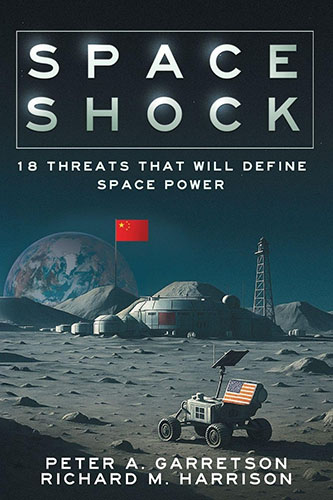
Category: Nonfiction Reviewed by: Casey Suire Title: Space Shock: 18 Threats That Will Define Space Power Authors: Peter A. Garretson
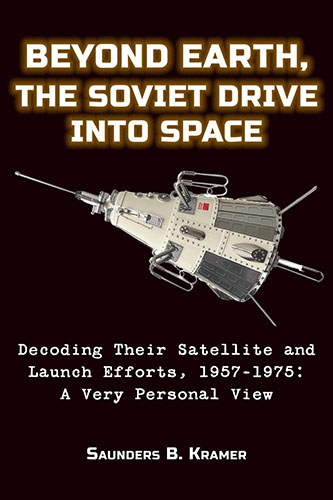
Category: Nonfiction Reviewed by: Douglas G. Adler Title: Beyond Earth, the Soviet Drive into Space: Decoding Their Satellite and Launch
Karlton Johnson, CEO and Chairman of the Board of Governors of the National Space Society, released a statement about the trans-lunar injection (TLI) of the
The National Space Society (NSS) is responding to the Office of Management and Budget’s proposed Fiscal Year 2027 budget for NASA. While the Society welcomes
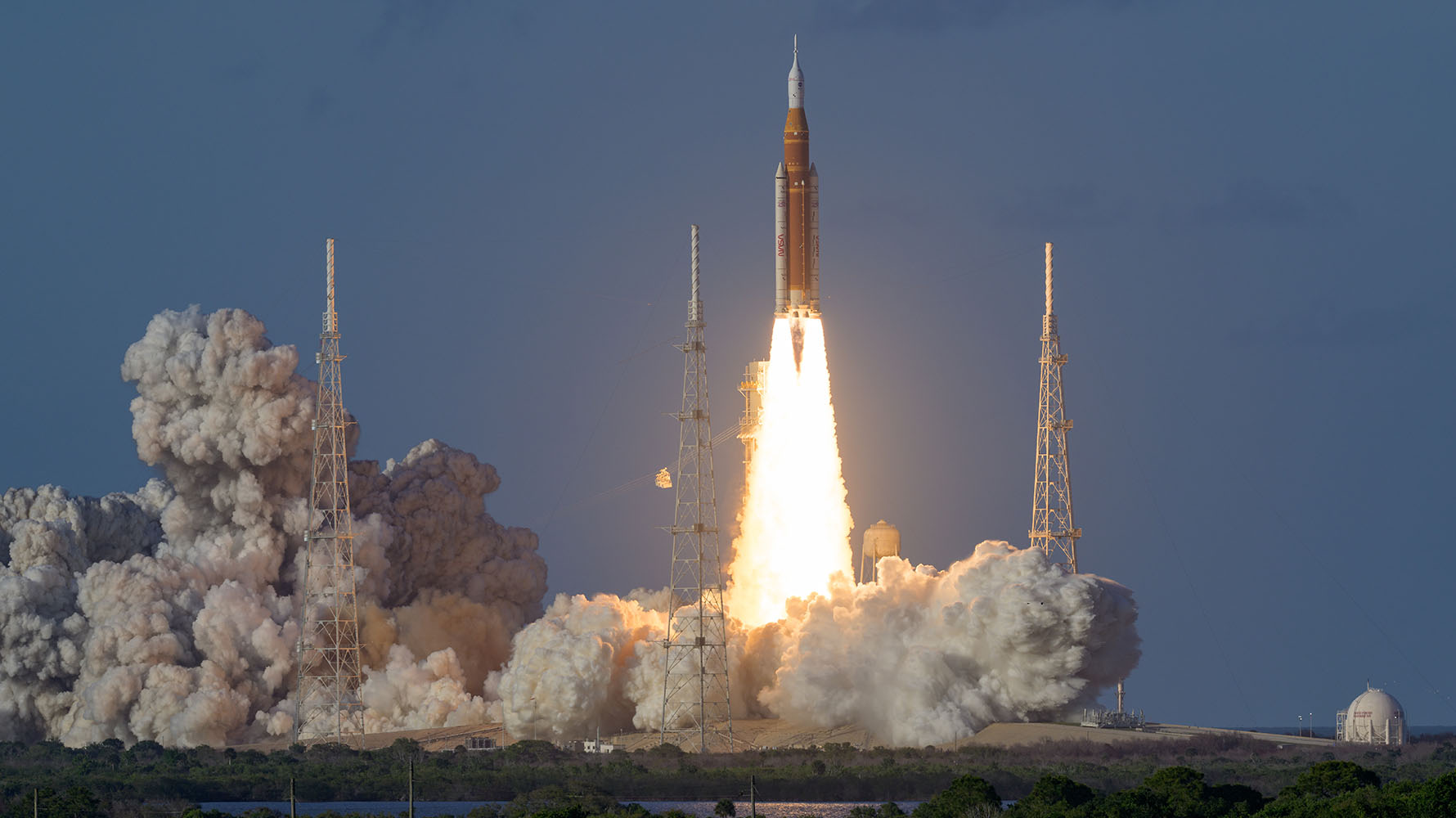
Orion Departs Earth Orbit — Humanity Returns to the Moon By Burt Dicht NSS Space Coast Correspondent Thursday, April 2 was the mission’s defining day.
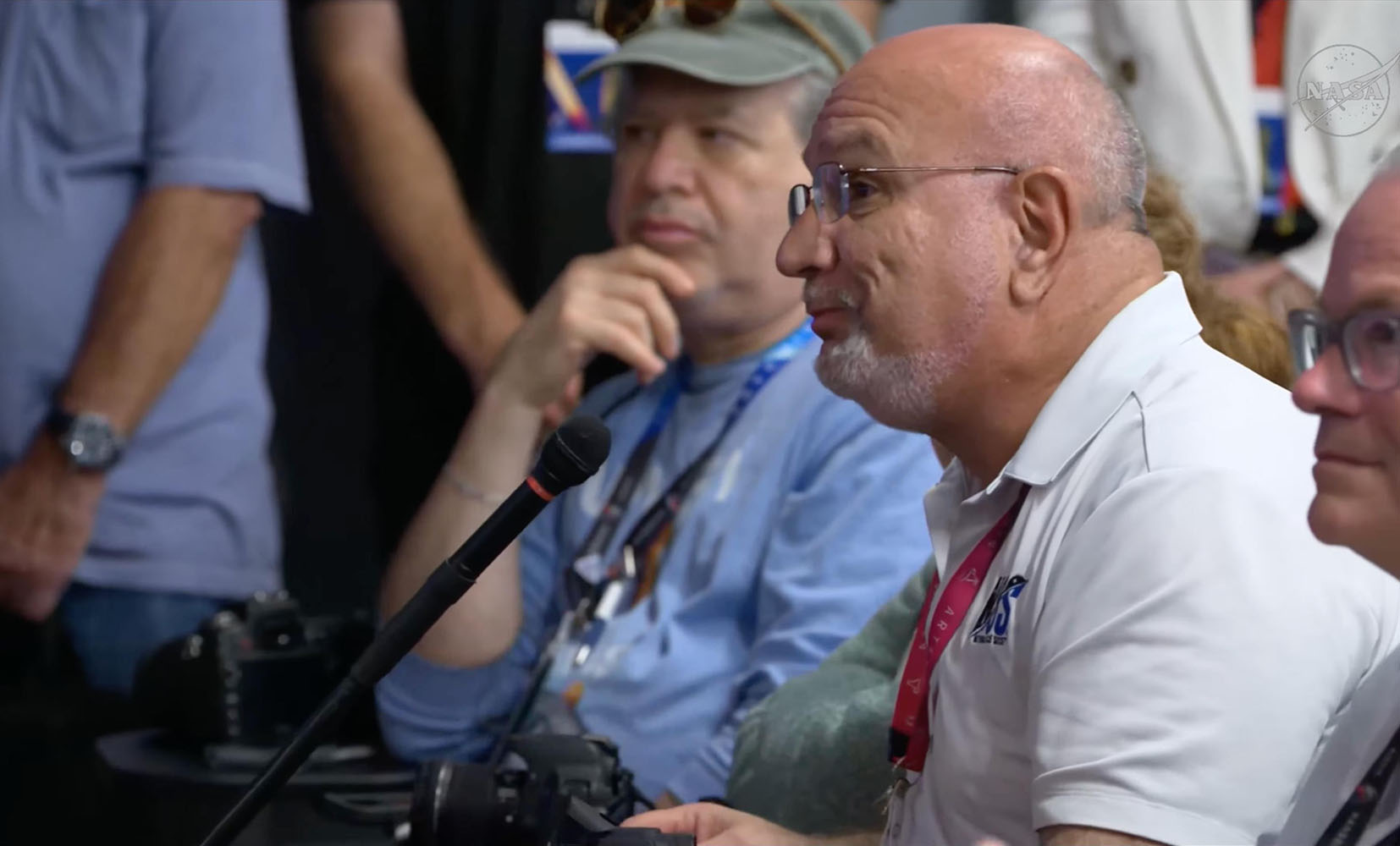
Story and Photos by Burt Dicht NSS Space Coast Correspondent Above: Burt asking a question at the April 1 NASA press conferences “Will it go?”
America is opening a new chapter of lunar exploration The National Space Society sends heartfelt congratulations to NASA, the crew of Artemis 2, and the
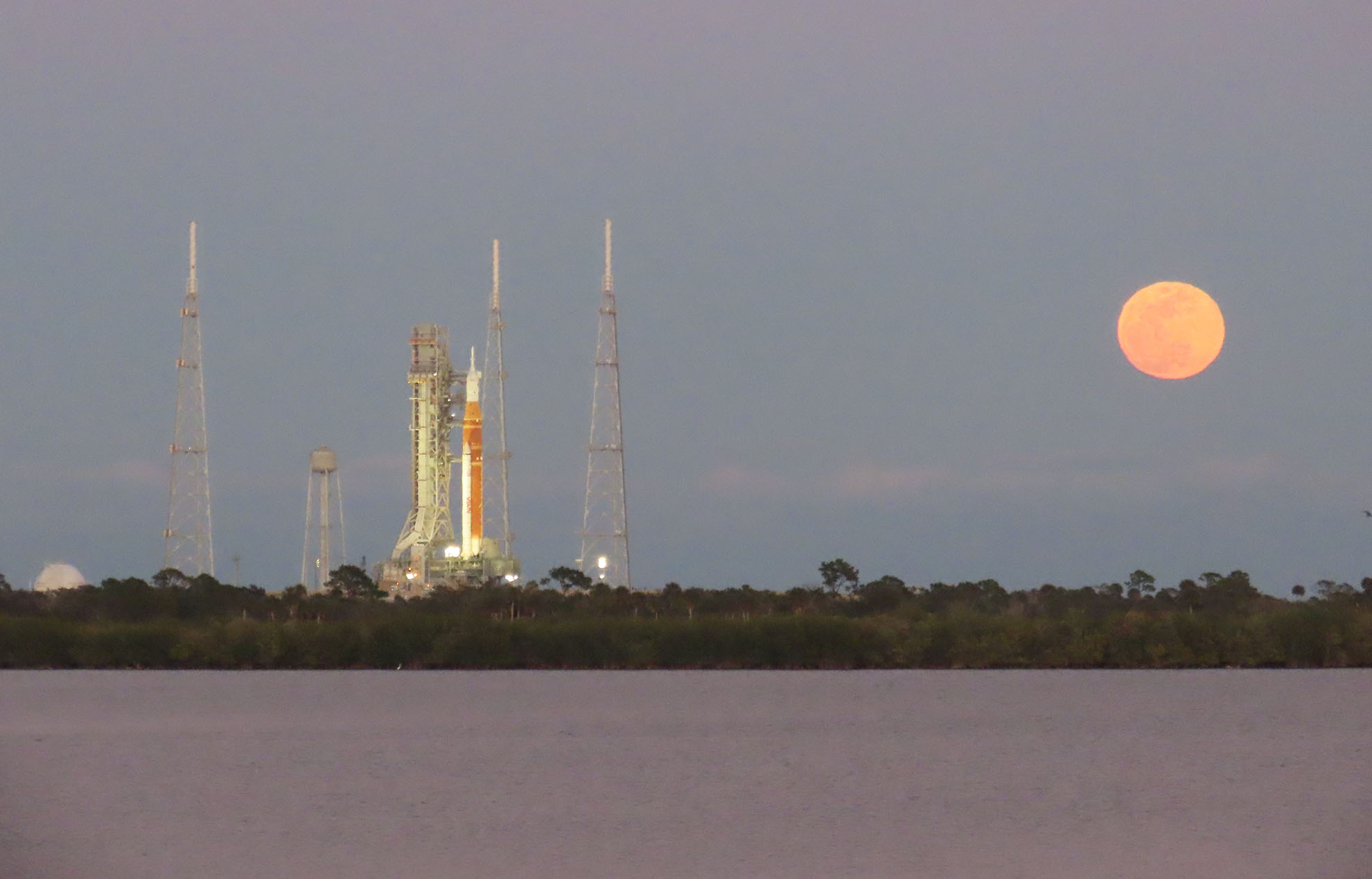
By Burt Dicht NSS Managing Director of Membership NSS Space Coast Correspondent Above: Artemis II on the launch pad with the Moon its target. Photo
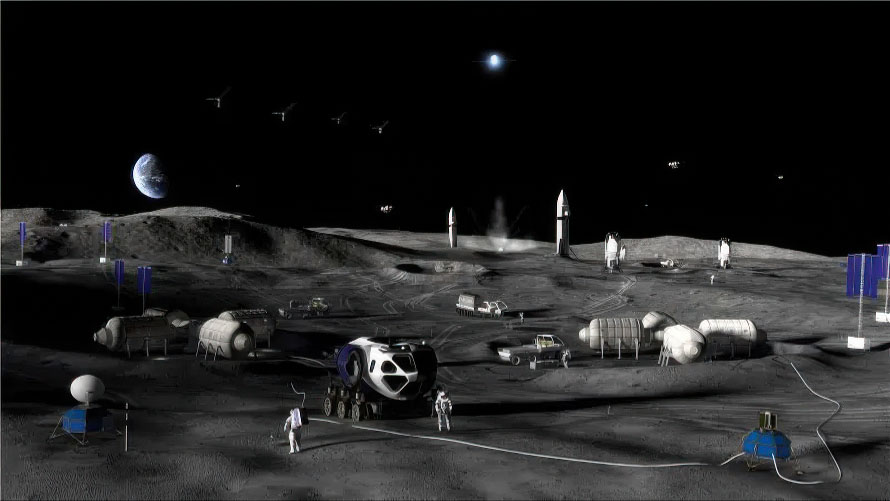
A new NSS Position Paper “Lunar Bases Should Be the Focus of Artemis” has just been released. Summary The National Space Society (NSS) argues that
By Burt Dicht NSS Space Coast Correspondent When NASA’s Apollo program sent humans to the Moon between 1969 and 1972, it took 400,000 engineers, scientists,