Book Review: Reality Check
Category: Nonfiction Reviewed by: Dale Skran Title: Reality Check Authors: Brad Wieners and David Pescovitz Format: Paperback Pages: 161 Publisher:
Welcome to the NSS blog. Feel free to comment on any post (comments are moderated so won’t show up immediately). Contributors to the NSS Blog are unpaid volunteers. Unless specifically labeled an NSS position or press release, all blog posts represent the views of the author and not of NSS, even if written by an NSS officer.
The Coalition for Space Exploration wants to hear from the American public about what they envision for the future of space exploration. The Coalition is
by Howard Bloom National Space Society Board of Governors Recently The Economist magazine featured a piece inspired by the end of the Shuttle Era entitled,
The cover story of the July 2 edition of The Economist loudly proclaims “The End of the Space Age.” National Space Society Director Al Globus
Jeff Greason’s speech at the Awards Dinner at the 2011 NSS International Space Development Conference is being widely regarded as a major statement in the
Robert Bigelow, Founder and President of Bigelow Aerospace, will be the Honored Keynote Speaker at the 2011 International Space Development Conference (ISDC) Governors’ Dinner and
The NSS International Space Development Conference (ISDC) will be this May 18-22 at the Von Braun Center and Embassy Suites Hotel and Spa in Huntsville,
The 30th International Space Development Conference (ISDC), the annual gathering of the National Space Society (NSS), is coming to the Von Braun Center in Huntsville
by Brian Cleaver “I am definitely in.” It was these four words that I had said to Rick Zucker, Executive Vice President of the National
The March issue of Popular Science magazine provides a feature cover story titled “After Earth: The Case for Populating the Universe — and How We’ll
From February 27–March 1, 2011, the National Space Society (NSS) and the Space Exploration Alliance (SEA) will be holding the annual Legislative Blitz in Washington,
NSS has emphatically requested that the House of Representatives adopt the Senate version of the NASA Authorization Act of 2010. The vote on this issue
Mon, 13 September, 2010 www.spacenews.com/commentaries By Don Flournoy The 2010 U.S. National Space Policy, which supports a robust and competitive commercial space sector, is good

Category: Nonfiction Reviewed by: Dale Skran Title: Reality Check Authors: Brad Wieners and David Pescovitz Format: Paperback Pages: 161 Publisher:

Category: Nonfiction Reviewed by: Mark Lardas Title: The Islands and the Stars: A History of Japan’s Space Programs Author: Subodhana Wijeyeratne Format: Hardcover/Paperback/Kindle
Category: Nonfiction Reviewed by: Casey Suire Title: Space Shock: 18 Threats That Will Define Space Power Authors: Peter A. Garretson
Category: Nonfiction Reviewed by: Douglas G. Adler Title: Beyond Earth, the Soviet Drive into Space: Decoding Their Satellite and Launch
Karlton Johnson, CEO and Chairman of the Board of Governors of the National Space Society, released a statement about the trans-lunar injection (TLI) of the
The National Space Society (NSS) is responding to the Office of Management and Budget’s proposed Fiscal Year 2027 budget for NASA. While the Society welcomes
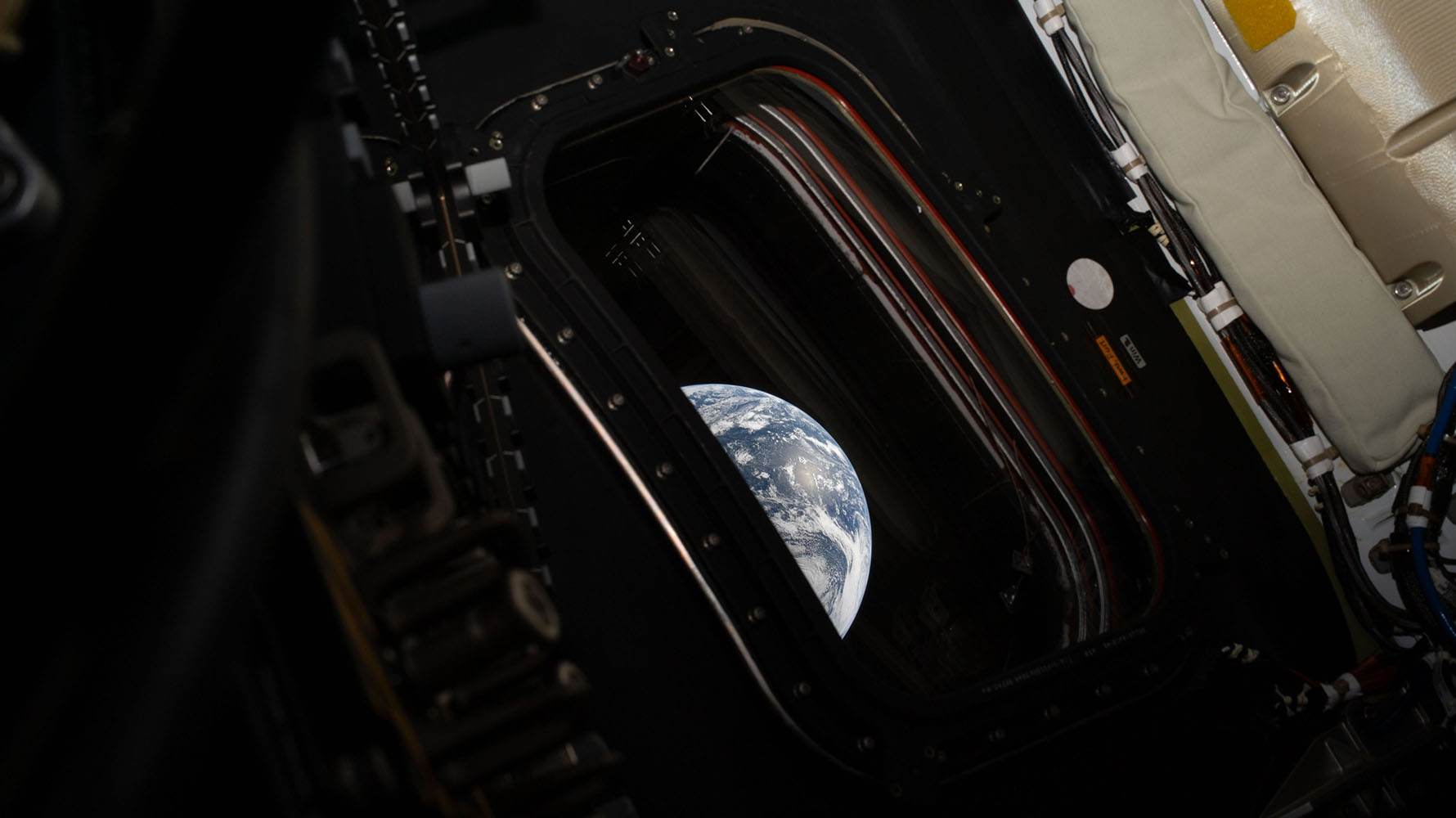
Orion Departs Earth Orbit — Humanity Returns to the Moon By Burt Dicht NSS Space Coast Correspondent Thursday, April 2 was the mission’s defining day.
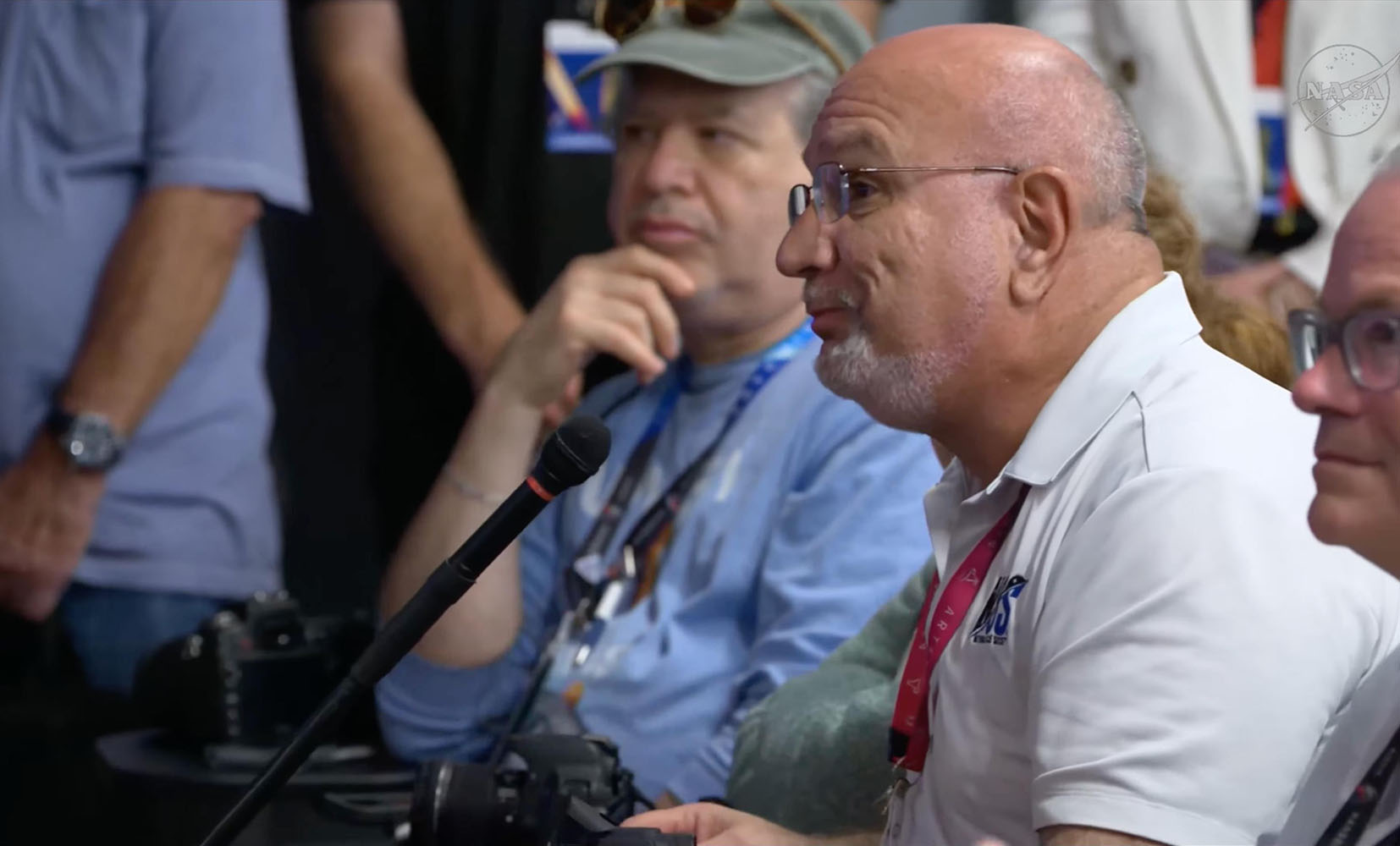
Story and Photos by Burt Dicht NSS Space Coast Correspondent Above: Burt asking a question at the April 1 NASA press conferences “Will it go?”
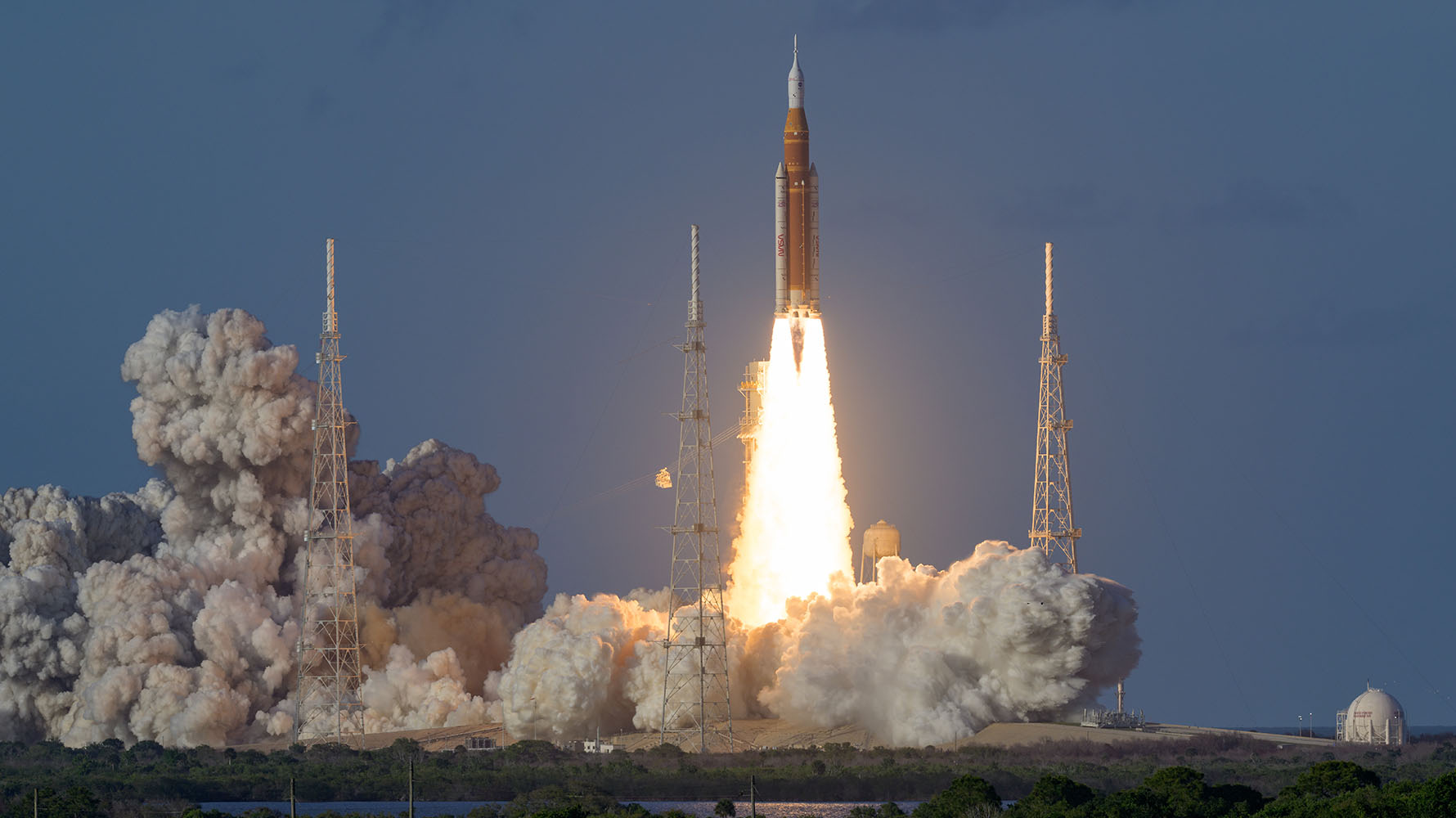
America is opening a new chapter of lunar exploration The National Space Society sends heartfelt congratulations to NASA, the crew of Artemis 2, and the
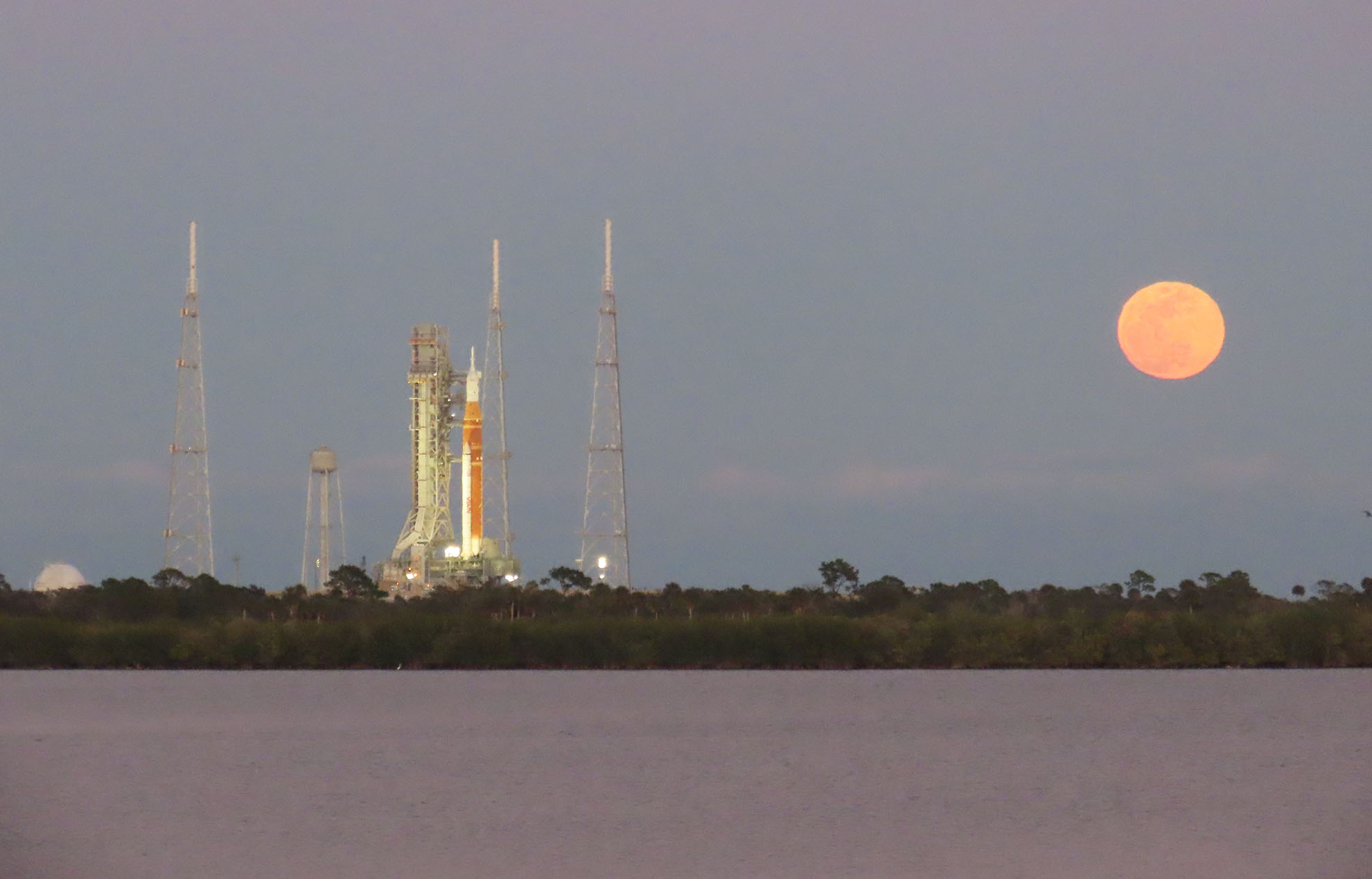
By Burt Dicht NSS Managing Director of Membership NSS Space Coast Correspondent Above: Artemis II on the launch pad with the Moon its target. Photo
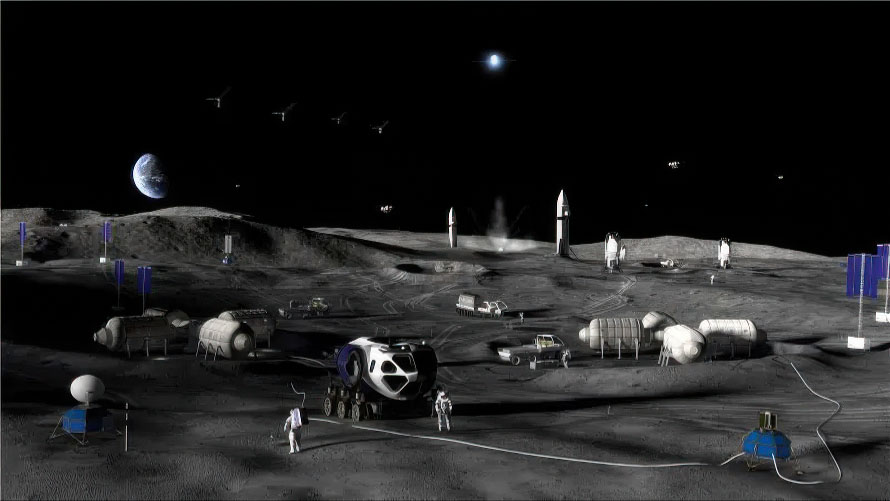
A new NSS Position Paper “Lunar Bases Should Be the Focus of Artemis” has just been released. Summary The National Space Society (NSS) argues that
By Burt Dicht NSS Space Coast Correspondent When NASA’s Apollo program sent humans to the Moon between 1969 and 1972, it took 400,000 engineers, scientists,