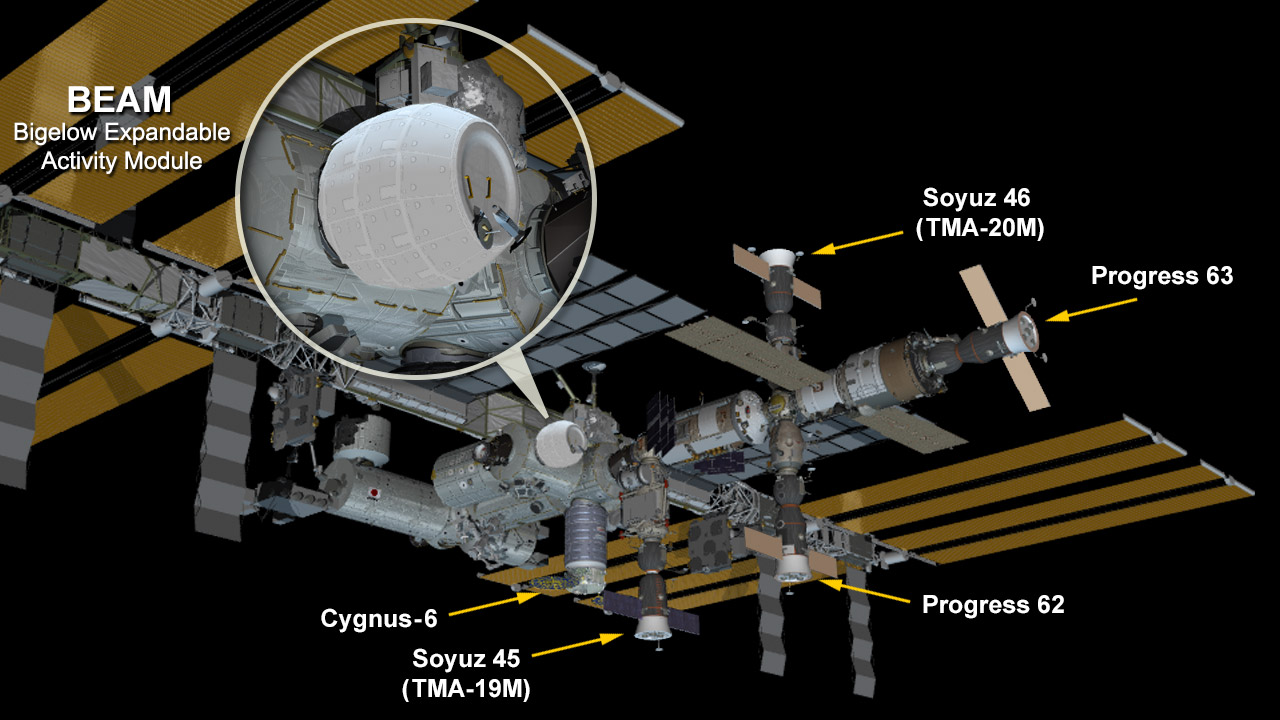
BEAM Fully Expanded and Pressurized

Share:

Facebook
X
Pinterest
LinkedIn
The space station now hosts the new fully expanded and pressurized Bigelow Expandable Activity Module attached to the Tranquility module. Credit: NASA
The space station now hosts the new fully expanded and pressurized Bigelow Expandable Activity Module attached to the Tranquility module. Click image for larger version. Credit: NASA

BEAM was pressurized May 28 on the International Space Station, where it will remain attached for a two-year test period.

The module measured just over 7 feet long and just under 7.75 feet in diameter in its packed configuration. BEAM now measures more than 13 feet long and about 10.5 feet in diameter to create 565 cubic feet of habitable volume. It weighs approximately 3,000 pounds.

Leak checks are being performed on BEAM to ensure its structural integrity. Hatch opening and NASA astronaut Jeff Williams’ first entrance into BEAM will take place about a week after leak checks are complete.

BEAM is an example of NASA’s increased commitment to partnering with industry to enable the growth of the commercial use of space. The project is co-sponsored by NASA’s Advanced Exploration Systems Division and Bigelow Aerospace.

Expandable habitats are designed to take up less room on launch but provide greater volume for living and working in space once expanded. This first test of an expandable module will allow investigators to gauge how well the habitat performs and specifically, how well it protects against solar radiation, space debris and the temperature extremes of space.

For more information about BEAM, visit: www.nasa.gov/beam.

Share:

Facebook
X
Pinterest
LinkedIn
Picture of By National Space Society

By National Space Society

Leave a Comment

Don't Miss a Beat!

Be the first to know when new articles are posted!

Search
Categories

Follow Us On Social Media

JOIN THE
GREATEST ADVENTURE

Give The Gift Of Space: Membership For Friends and Family

Book Review

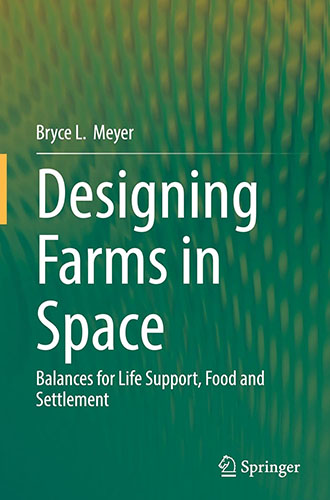
desigining farms in space

Book Review: Designing Farms in Space

Meyer’s academic textbook is loaded with numerous photographs, diagrams, charts, and graphs. There are chapters on subjects such as farm machines, animal and fungi production, plant and algae production, and space menus. The farming techniques outlined in the book can be applied to lunar, Martian, or rotating space settlements.

Read More »
Archives


Hilton McLean Tysons Corner, McLean, Virginia
June 4 - 7, 2026

Recent Blog Posts

Meyer’s academic textbook is loaded with numerous photographs, diagrams, charts, and graphs. There are chapters on subjects such as farm machines, animal and fungi production,...
The Tianwen-2 spacecraft at asteroid 469219 Kamoʻoalewa is reportedly positioned to begin the most critical phase of its deep-space mission, preparing to sample the asteroid....
NSS continued its commitment to developing the next generation of space leaders through two programs created specifically for university students and early-career professionals: Speed Mentoring...
The National Space Society’s annual International Space Development Conference concluded on June 7 and was widely praised by attendees, with one of the best domestic...
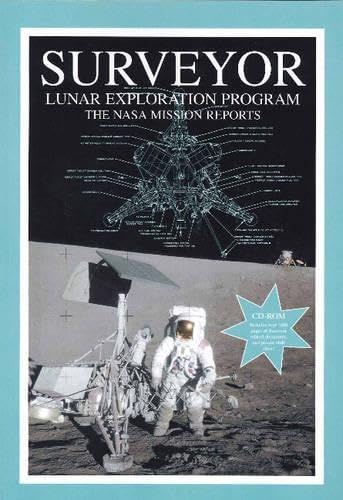
Apogee Books has reissued its volume on Surveyor for the program’s 60th anniversary. The book is a wonder, containing a veritable treasure trove of documents...
Each year, the “NSS 30 Under 30” program will honor 30 individuals under the age of 30 who are making meaningful contributions across the full...

The National Space Society invites you to the next Space Forum Thursday, June 18, 2026, 8:00 pm to 9:15 pm EST NOTE NEW TIME! The...

For the first time, the space elevator track at ISDC expanded to two sessions: the morning dedicated to powering the space elevator and the afternoon...

Your Doorway to New Worlds