Orion Departs Earth Orbit — Humanity Returns to the Moon
By Burt Dicht
NSS Space Coast Correspondent
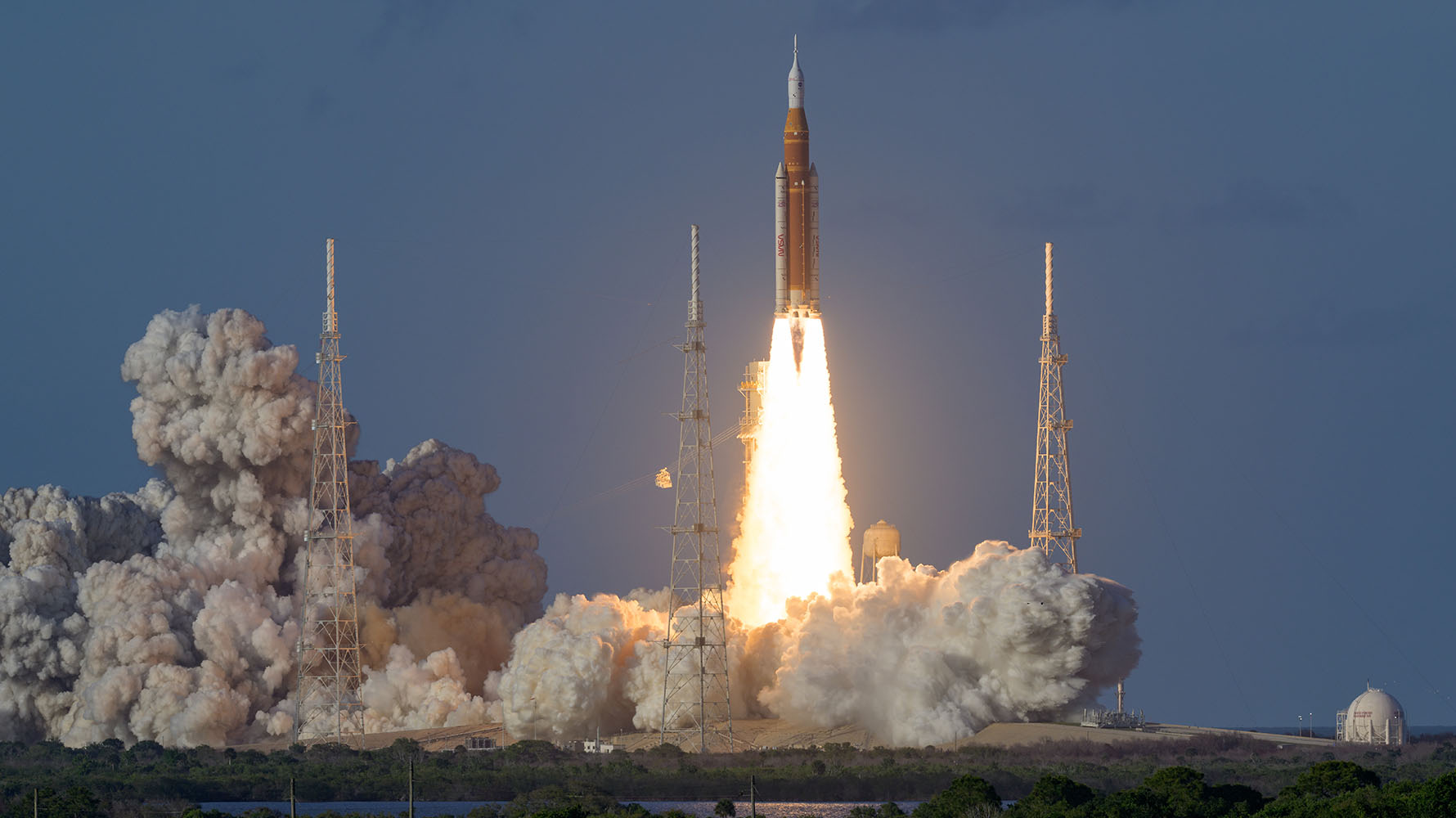
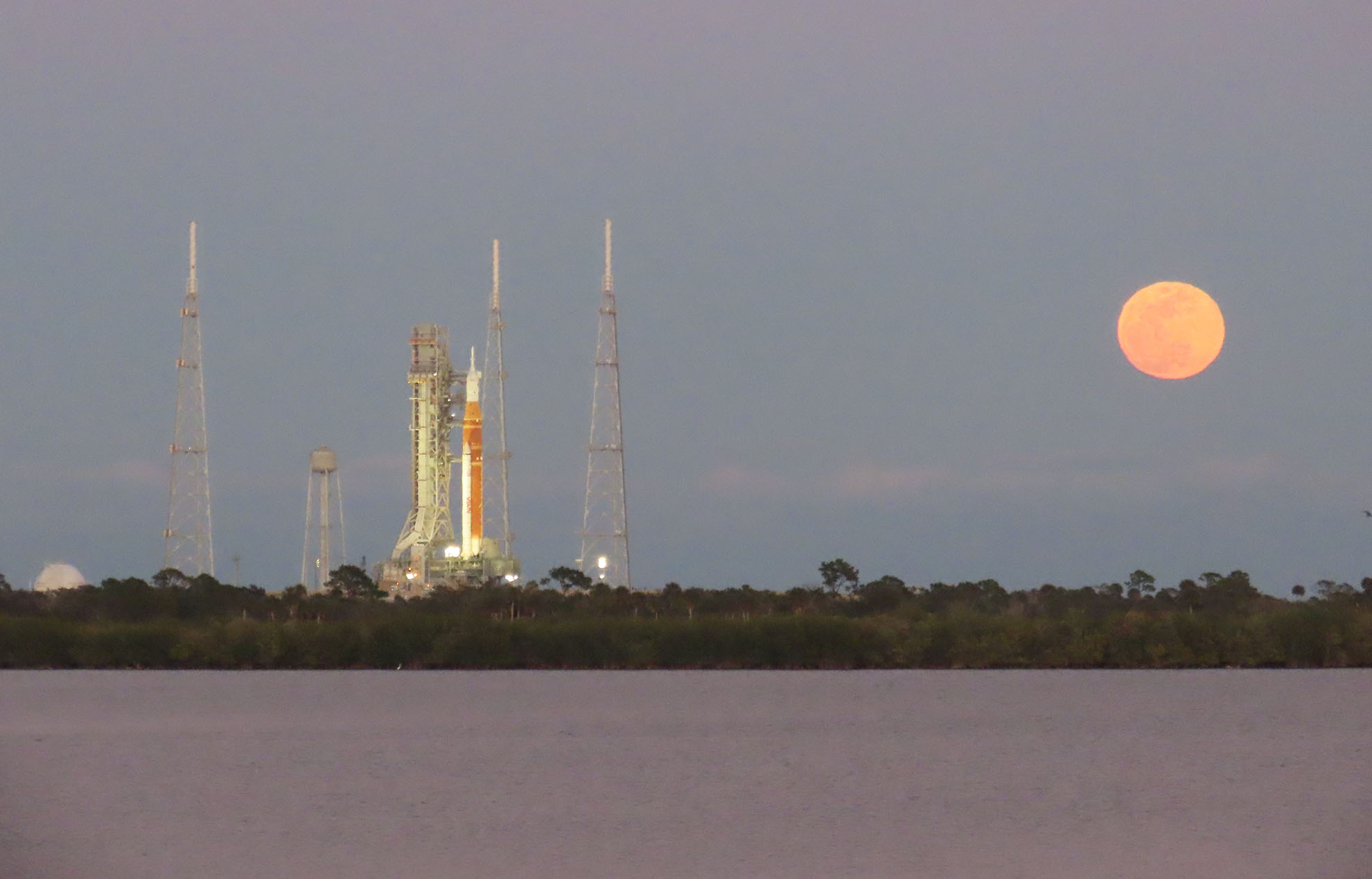
Thursday, April 2 was the mission’s defining day. After a split sleeping schedule and a morning perigee-raise engine burn, the four-person crew of Orion — named Integrity by the astronauts — got the go-ahead to leave Earth behind for the first time in over 53 years.
“With this burn to the Moon, we do not leave Earth. We choose it.”
— Mission Specialist Christina Koch, moments before the TLI burn
The mission management team polled “Go” for the critical translunar injection (TLI) burn, and at 7:49 p.m. EDT, Orion’s main engine fired for 5 minutes and 50 seconds, accelerating the spacecraft by 1,274 feet per second. The burn was described by NASA acting associate administrator Lori Glaze as “flawless,” setting the crew on a free-return trajectory that will carry them around the far side of the Moon and automatically bring them back to Earth — with no additional engine firings required.
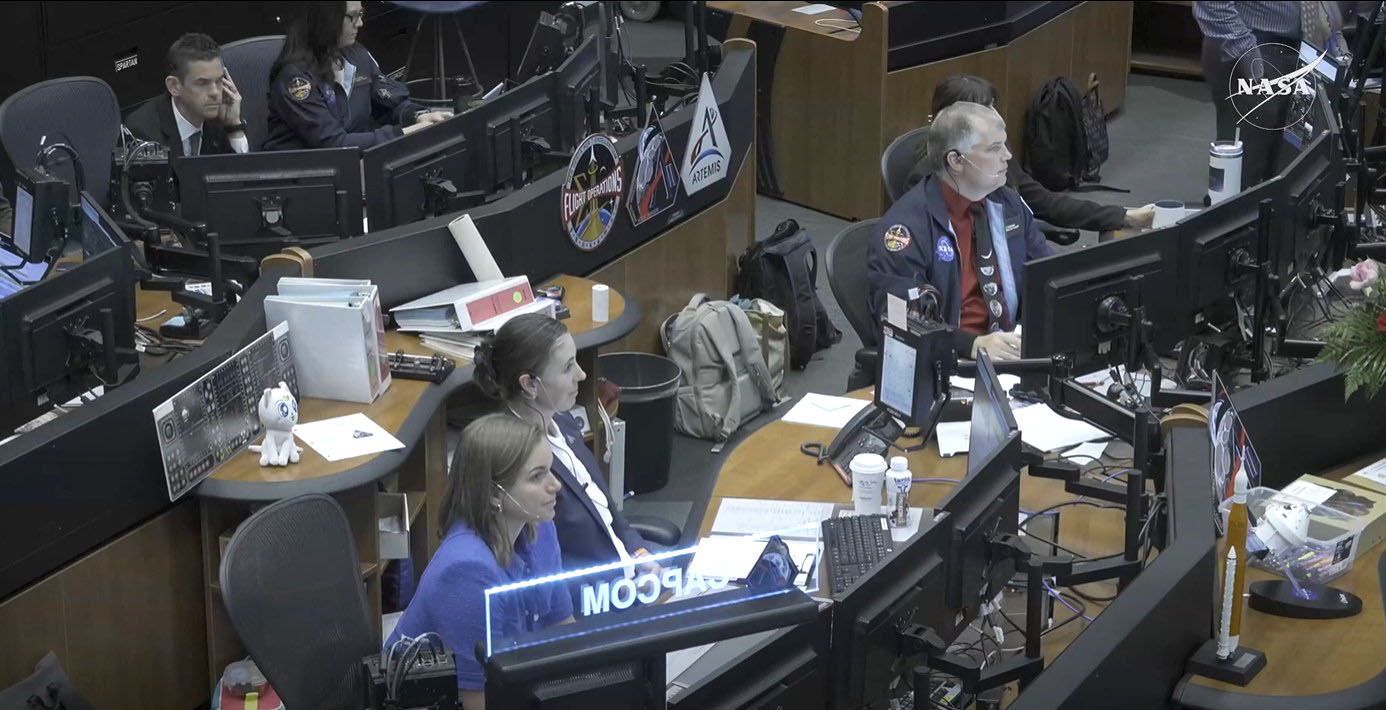
As of 11:30 am EDT, Orion is traveling at 4100 mph and is approximately 94,000 miles from Earth.
The Moon flyby remains on track for Monday, April 6, with closest approach at approximately 7:58 p.m. EDT. Orion will pass within roughly 5,000 miles of the lunar surface. Splashdown in the Pacific Ocean off the coast of San Diego is targeted for April 10.
KEY EVENTS — FLIGHT DAY 2 RECAP
- 7:06 a.m. EDT – Crew Wake-Up
- Mission control played “Green Light” by John Legend & André 3000 to rouse the crew for their first full day in space.
- Morning Perigee Raise Burn
- Orion fired its service module engine for 43 seconds to fine-tune its Earth orbit and set the proper geometry for the TLI burn later that evening.
- Afternoon – Exercise & Systems Checkout
- Commander Wiseman became the first crew member to exercise on Orion’s compact flywheel device. The crew also checked out the AVATAR scientific payload and conducted a live video call with the public.
- 7:49 p.m. EDT
- Translunar Injection Burn
- The last major engine firing of the mission. A nearly 6-minute burn sent the crew on a path to the Moon for the first time since Apollo 17 in 1972. Orion is now on an irreversible course.
- Post-TLI – Record Watch Begins
- NASA updated projections: Orion is expected to reach a maximum distance of 252,021 statute miles from Earth, surpassing the Apollo 13 distance record by more than 3,300 miles.
- Evening – Crew Goes “Glued to the Window”
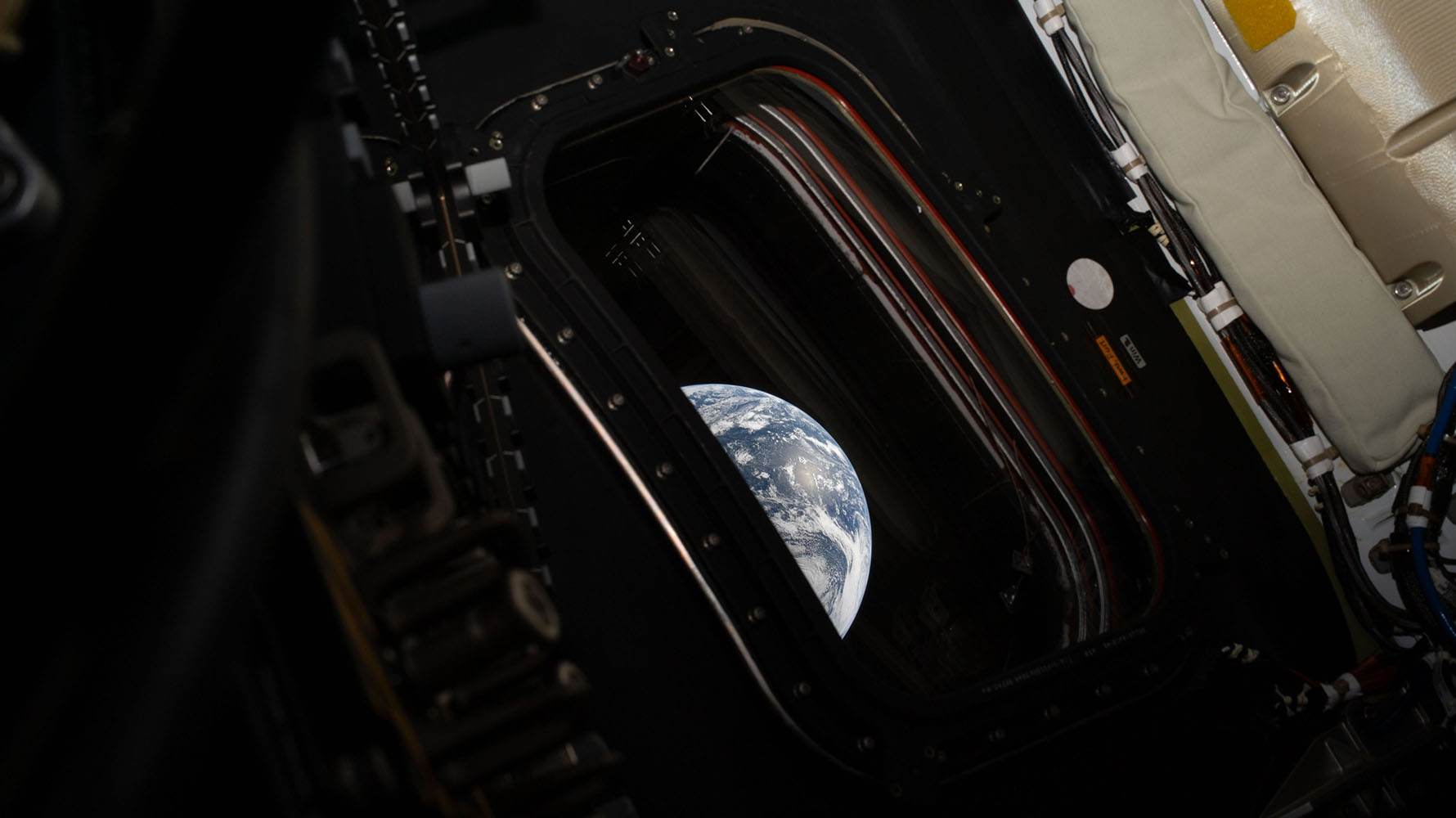
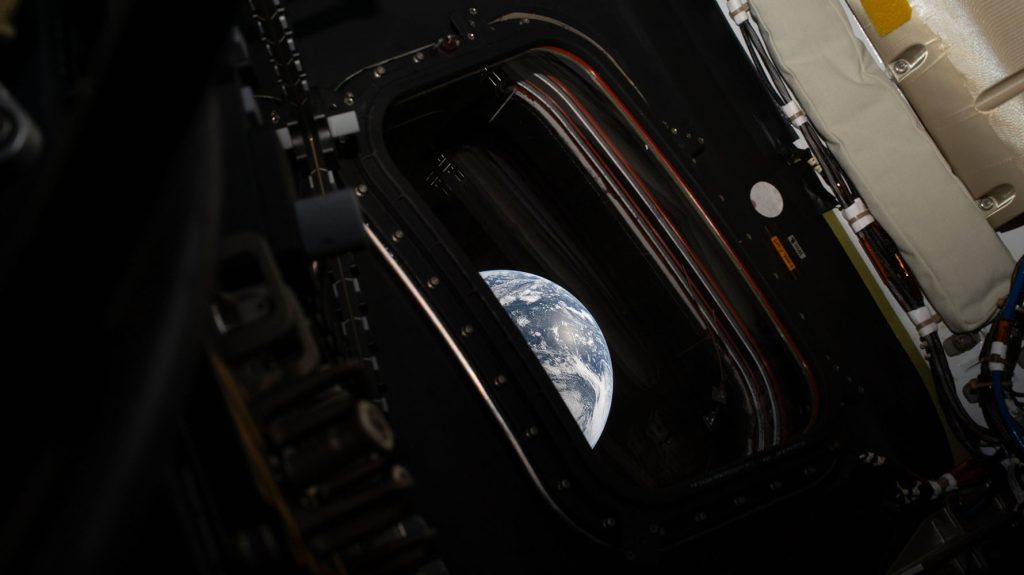
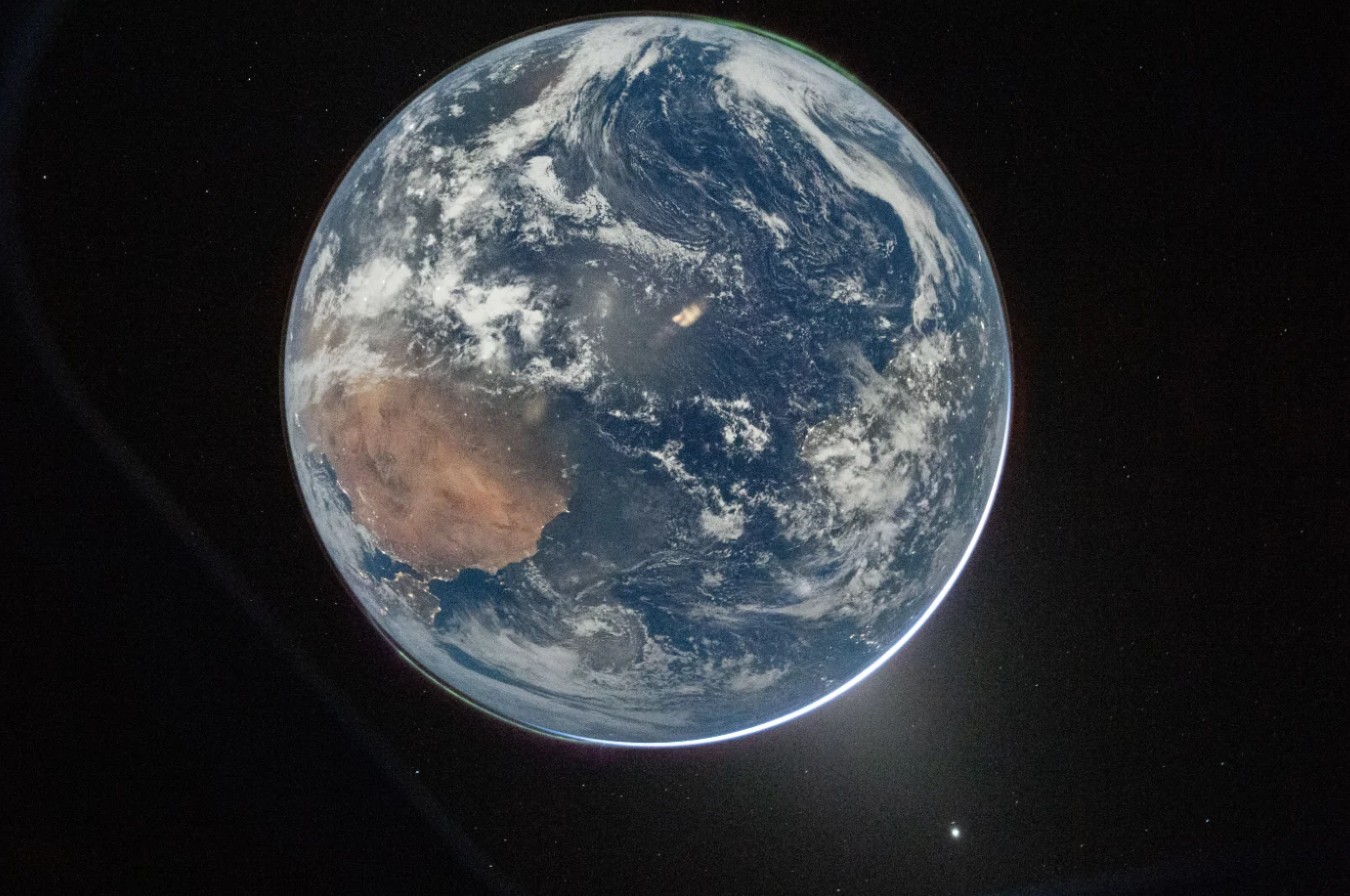
- Canadian astronaut Jeremy Hansen radioed Mission Control that the crew was mesmerized by views of Earth receding behind them.
- Lunar scientists also began building a detailed Lunar Targeting Plan — a guide to what surface features the crew will document during their approximately six-hour observation window on Monday, April 6. Of particular interest: ancient craters, lava flows, and a solar eclipse visible from the spacecraft during closest approach.
LOOKING AHEAD · FLIGHT DAY 3 — APRIL 3
Outbound Correction Burn & Deep Space Checks
Today’s schedule is lighter than the mission’s hectic opening days, giving the crew room to acclimate to the deep-space environment while executing the first of three smaller trajectory-correction maneuvers.
🔥Outbound Trajectory Correction Burn
Hansen will prepare and execute the first of three small engine firings to keep Orion precisely on its planned path toward the Moon. The burn is scheduled shortly after the crew’s midday meal.
🏥Medical Kit Checkout
Wiseman and Glover will test Orion’s medical equipment, including the thermometer, blood pressure monitor, stethoscope, and otoscope — confirming crew health systems are mission-ready.
❤CPR Demonstration in Microgravity
Glover, Koch, and Hansen will demonstrate how cardiopulmonary resuscitation is performed in the weightless environment of deep space — a key data point for future long-duration missions.
📡Deep Space Network Comm Test
Koch will test Orion’s emergency communications via the Deep Space Network — the same infrastructure used for robotic missions to Mars and beyond, now being relied on for crewed spaceflight for the first time in decades.
📷Earth Photography & Crew Family Calls
With the jam-packed early days behind them, the crew will have time to photograph Earth from deep space and speak with their families for the first time since launch.