A Space Solar Power Industry for $2 Billion or Your Money Back

Share:

Facebook
X
Pinterest
LinkedIn

The latest addition to the NSS Space Solar Power Library is a paper by Al Globus, a member of the National Space Society Board of Directors, proposing a system of prizes to kick-start a vigorous space solar power industry. In recent years prizes such as the Ansari X Prize, the DARPA Grand Challenge, and the Google Lunar X Prize have all been successfully used to develop important technologies and even entire industries.

ABSTRACT: A system of prizes to develop space solar power (SSP) is proposed. If successful, a one or two billion dollar investment could kick-start a vigorous SSP industry, which in turn could provide humanity with essentially unlimited quantities of clean electrical energy. If unsuccessful, the money is returned to its source. The prize is structured to subsidize the construction of nine SSP satellites by at least three different entrants using different designs. The prize is aimed at developing small SSP systems delivering a few tens of megawatts to utilities on the ground. Under some reasonable assumptions, the prize money is sufficient to make one or perhaps two of the satellites profitable and provide a significant subsidy to the other seven. Once small SSP systems have been successfully developed, producing large systems that can make a real difference to global energy production will be much easier. While $2 billion is a great deal of money, should this effort be successful, it is reasonable to hope that Earth’s energy and greenhouse gas problems could be solved.

Read full paper.

Share:

Facebook
X
Pinterest
LinkedIn
Picture of By National Space Society

By National Space Society

Leave a Comment

Don't Miss a Beat!

Be the first to know when new articles are posted!

Search
Categories

Follow Us On Social Media

JOIN THE
GREATEST ADVENTURE

Give The Gift Of Space: Membership For Friends and Family

Book Review

desigining farms in space

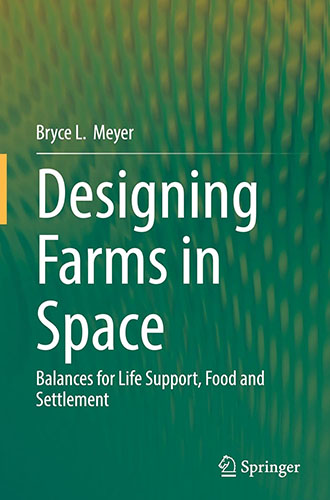
Book Review: Designing Farms in Space

Meyer’s academic textbook is loaded with numerous photographs, diagrams, charts, and graphs. There are chapters on subjects such as farm machines, animal and fungi production, plant and algae production, and space menus. The farming techniques outlined in the book can be applied to lunar, Martian, or rotating space settlements.

Read More »
Archives


Hilton McLean Tysons Corner, McLean, Virginia
June 4 - 7, 2026

Recent Blog Posts

Meyer’s academic textbook is loaded with numerous photographs, diagrams, charts, and graphs. There are chapters on subjects such as farm machines, animal and fungi production,...
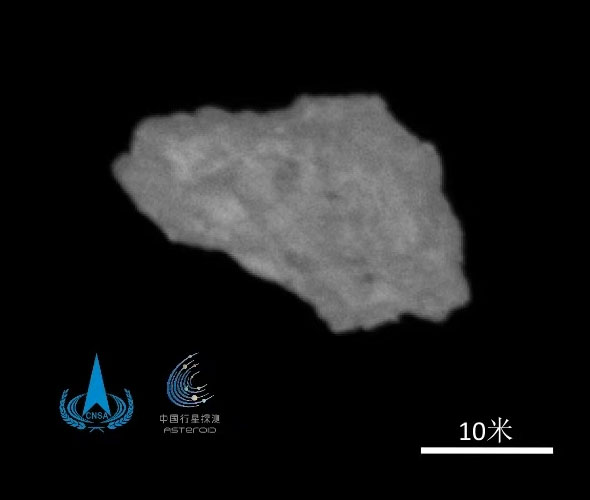
The Tianwen-2 spacecraft at asteroid 469219 Kamoʻoalewa is reportedly positioned to begin the most critical phase of its deep-space mission, preparing to sample the asteroid....
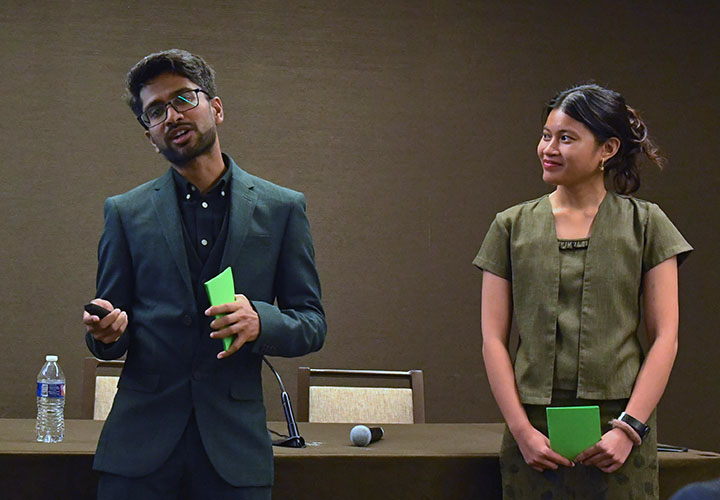
NSS continued its commitment to developing the next generation of space leaders through two programs created specifically for university students and early-career professionals: Speed Mentoring...
The National Space Society’s annual International Space Development Conference concluded on June 7 and was widely praised by attendees, with one of the best domestic...
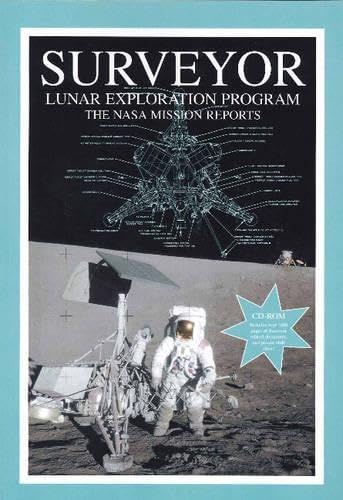
Apogee Books has reissued its volume on Surveyor for the program’s 60th anniversary. The book is a wonder, containing a veritable treasure trove of documents...
Each year, the “NSS 30 Under 30” program will honor 30 individuals under the age of 30 who are making meaningful contributions across the full...

The National Space Society invites you to the next Space Forum Thursday, June 18, 2026, 8:00 pm to 9:15 pm EST NOTE NEW TIME! The...

For the first time, the space elevator track at ISDC expanded to two sessions: the morning dedicated to powering the space elevator and the afternoon...

Your Doorway to New Worlds