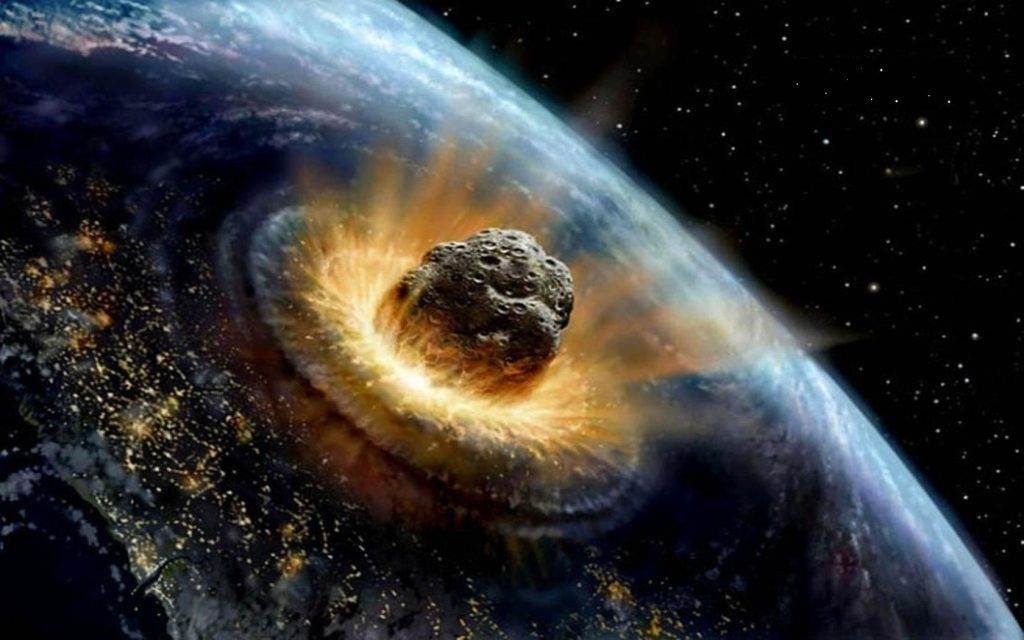
On February 15, 2013, a meteor exploded over the Chelyabinsk region of Russia. The blast damaged over 7,000 buildings and almost 1,500 people suffered injuries requiring treatment. As we observe the anniversary of that event, it is important to understand its significance and specifically what it means for the United States. Millions of objects in space, including asteroids and comets, are in orbits around the Sun that cross Earth’s orbit. When they approach Earth, they are referred to as Near-Earth Objects (NEOs). Some NEOs are large enough to cause significant damage if they impact the Earth. Many such objects have struck Earth in the past, inflicting damage ranging from trivial up to and including global catastrophe. While a future large strike with catastrophic consequences is certain, we do not know whether it will happen in 150 million years or fifteen months.
The Washington DC-based National Space Society (NSS) has been a consistent supporter of actions to defend our home planet from such events. In a position paper released today, the Society focuses attention on the near-term need and the opportunity to significantly improve our ability to detect and track collision threats to the Earth. While recognizing that this is a global problem, the paper focuses on recommended actions for the United States. Additionally, NSS urges all space faring nations to add an amount of at least one percent of their civilian space budget for developing defenses against these threats.
NSS believes that the immediate task before us is to find and track NEOs large enough to cause damage on Earth. To this end, current US ground-based searches should continue, including use of the Arecibo radio telescope. The Large Synoptic Survey Telescope should be fully funded and encouraged to vigorously pursue NEO detection. The B612 Foundation’s Sentinel Project and the JPL NEOCam infra-red space telescope should be fully funded. The Society also feels that now is the time to more seriously address the detection of long period comets. Additional work should be done on NEO characterization and deflection research.
NSS Director and Space Settlement Advocacy Committee chair Al Globus summed up the situation: “We face an existential threat. We can develop the ability to remove it. There is little or no benefit to waiting. Let’s do it.”
See NSS Position Paper on Protecting Earth from Cosmic Impacts.