Book Review: Reality Check
Category: Nonfiction Reviewed by: Dale Skran Title: Reality Check Authors: Brad Wieners and David Pescovitz Format: Paperback Pages: 161 Publisher:
Welcome to the NSS blog. Feel free to comment on any post (comments are moderated so won’t show up immediately). Contributors to the NSS Blog are unpaid volunteers. Unless specifically labeled an NSS position or press release, all blog posts represent the views of the author and not of NSS, even if written by an NSS officer.
The National Space Society invites you to the next Space Forum Thursday, July 11, 2024, 9:00 pm to 10:15 pm EDT Cybersecurity in Space: Now
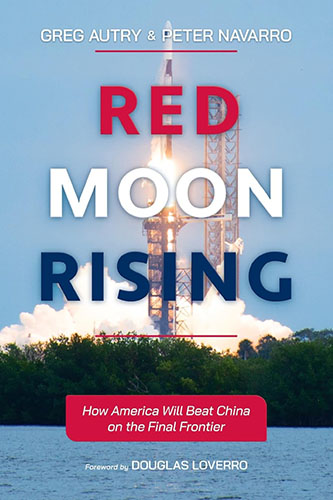
Category: Nonfiction Reviewed by Clifford R. McMurray Title: Red Moon Rising: How America Will Beat China on the Final Frontier Author: Greg Autry and Peter
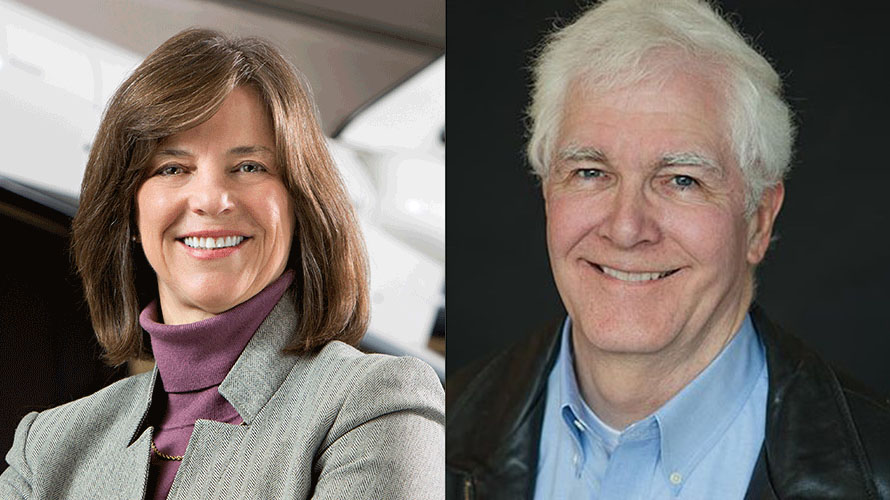
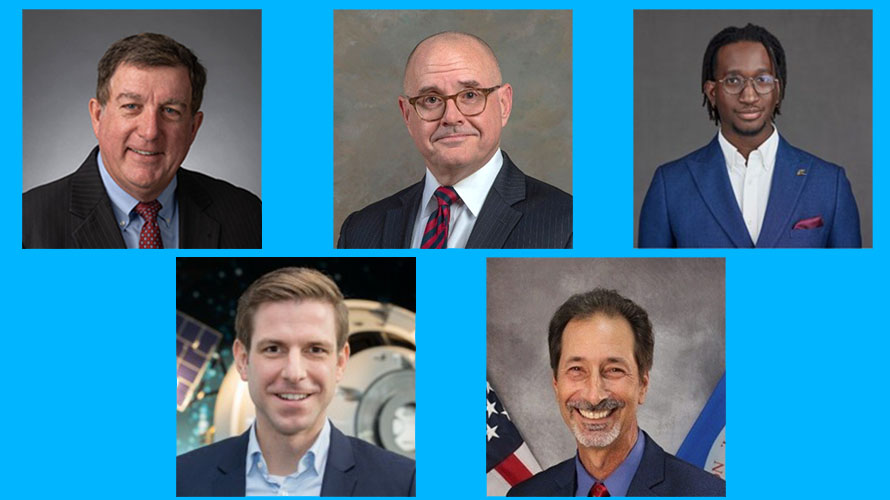
Former Astronaut Bonnie Dunbar and “Overview Effect” Author Frank White Join Board The National Space Society recently completed elections for its Board of Directors. While
Association of Marketing and Communications Professionals Award “Honors the Messengers and Creators of the Information Revolution” For the second time in two years, “Ad Astra”
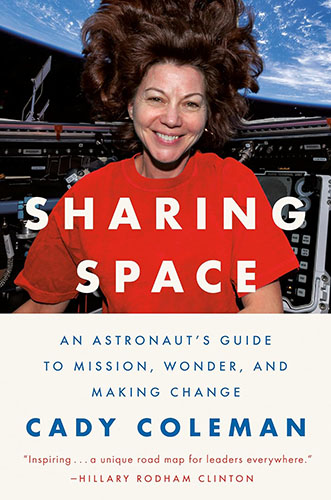
Category: Nonfiction Reviewed by: Susan Raizer Title: Sharing Space: An Astronaut’s Guide to Mission, Wonder, and Making Change Author: Cady Coleman Format: Hardcover/Kindle Pages: 272
The National Space Society invites you to the next Space Forum Thursday, June 20, 2024, 9:00 pm to 10:15 pm EDT Wally Funk: Higher, Faster,
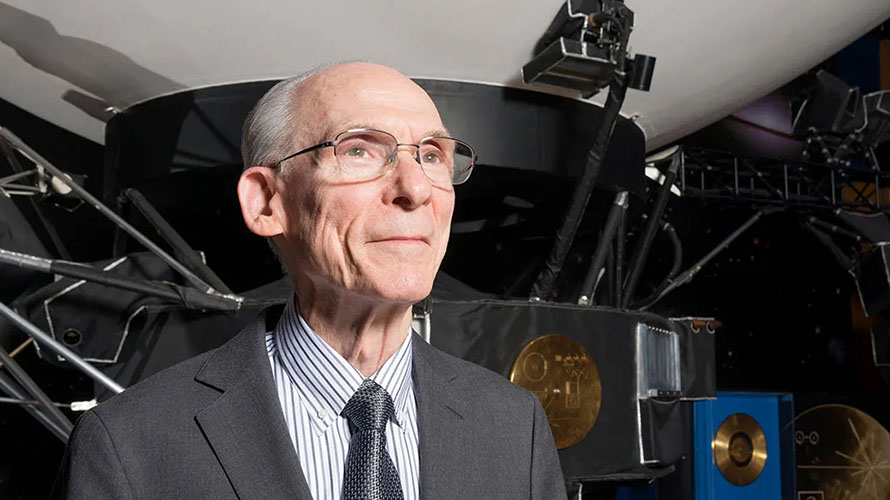
The Pioneering Physicist and Caltech Faculty Member Was the Project Scientist for the Voyager Program for 50 Years The National Space Society mourns the passing
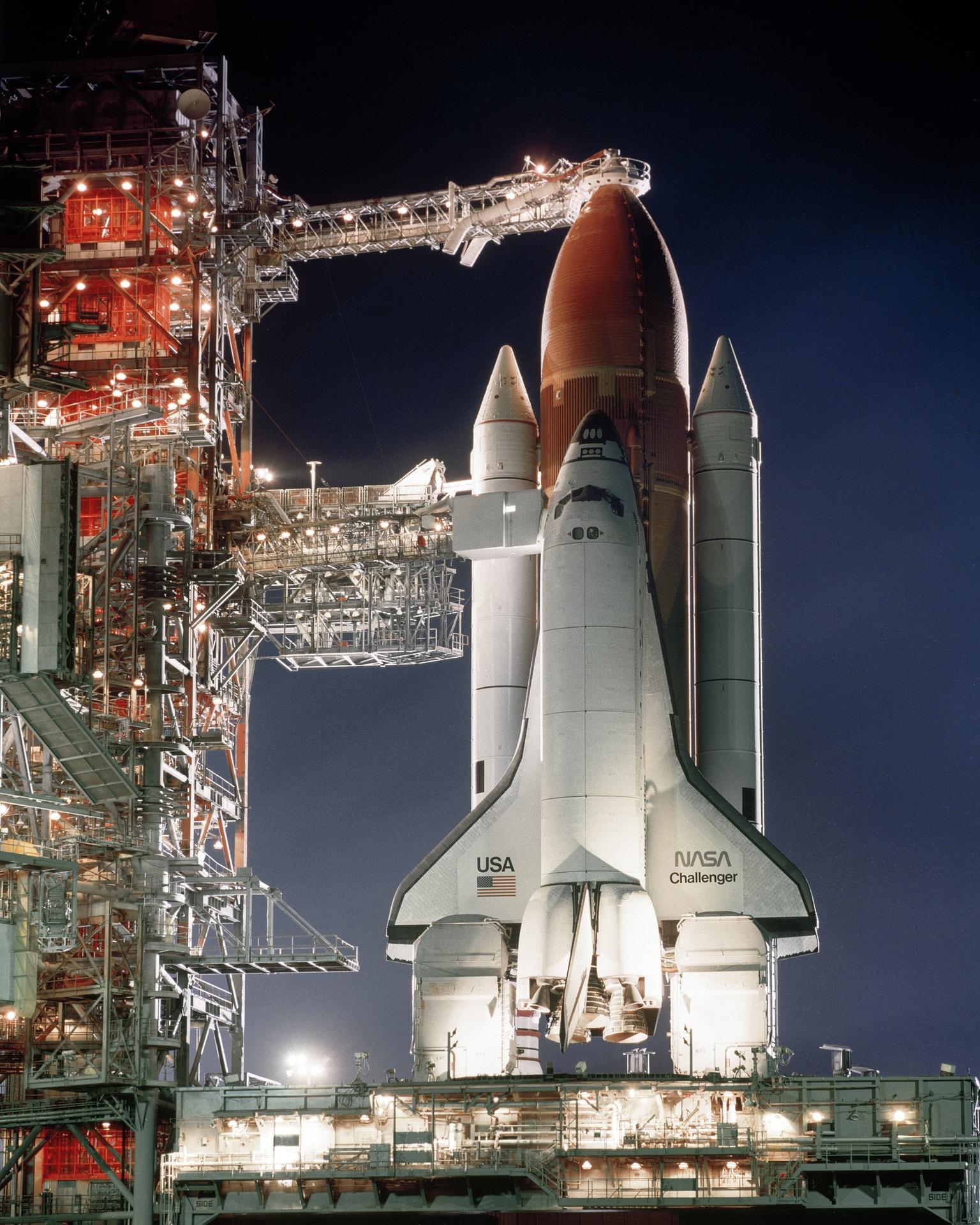
Two new books shed light on the vulnerability of space launches to technology and human decision-making. Challenger: A True Story of Heroism and Disaster on
The National Space Society invites you to the next Space Forum Thursday, June 13, 2024, 9:00 pm to 10:15 pm EDT Experiencing the Moon at
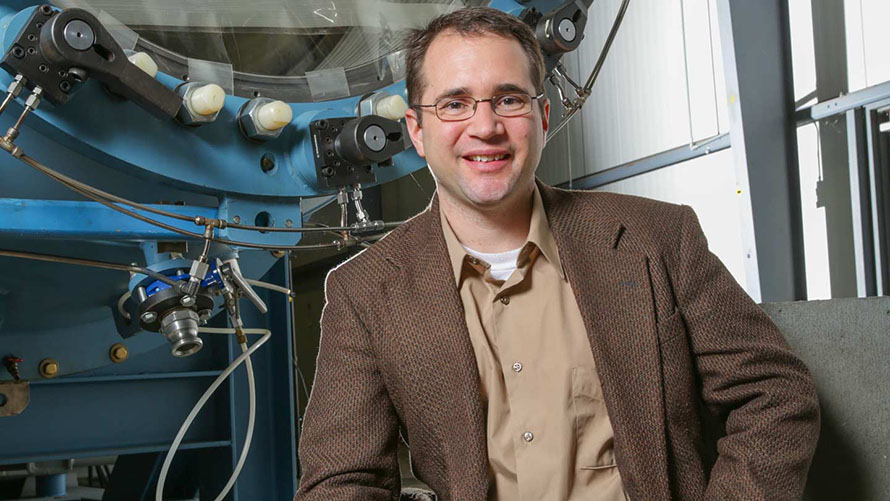
By Robin Scott Jason Cassibry image credit: Michael Mercier, University of Alabama Huntsville (UAH) The Huntsville Alabama L5 Society (HAL5) heard a presentation by Professor
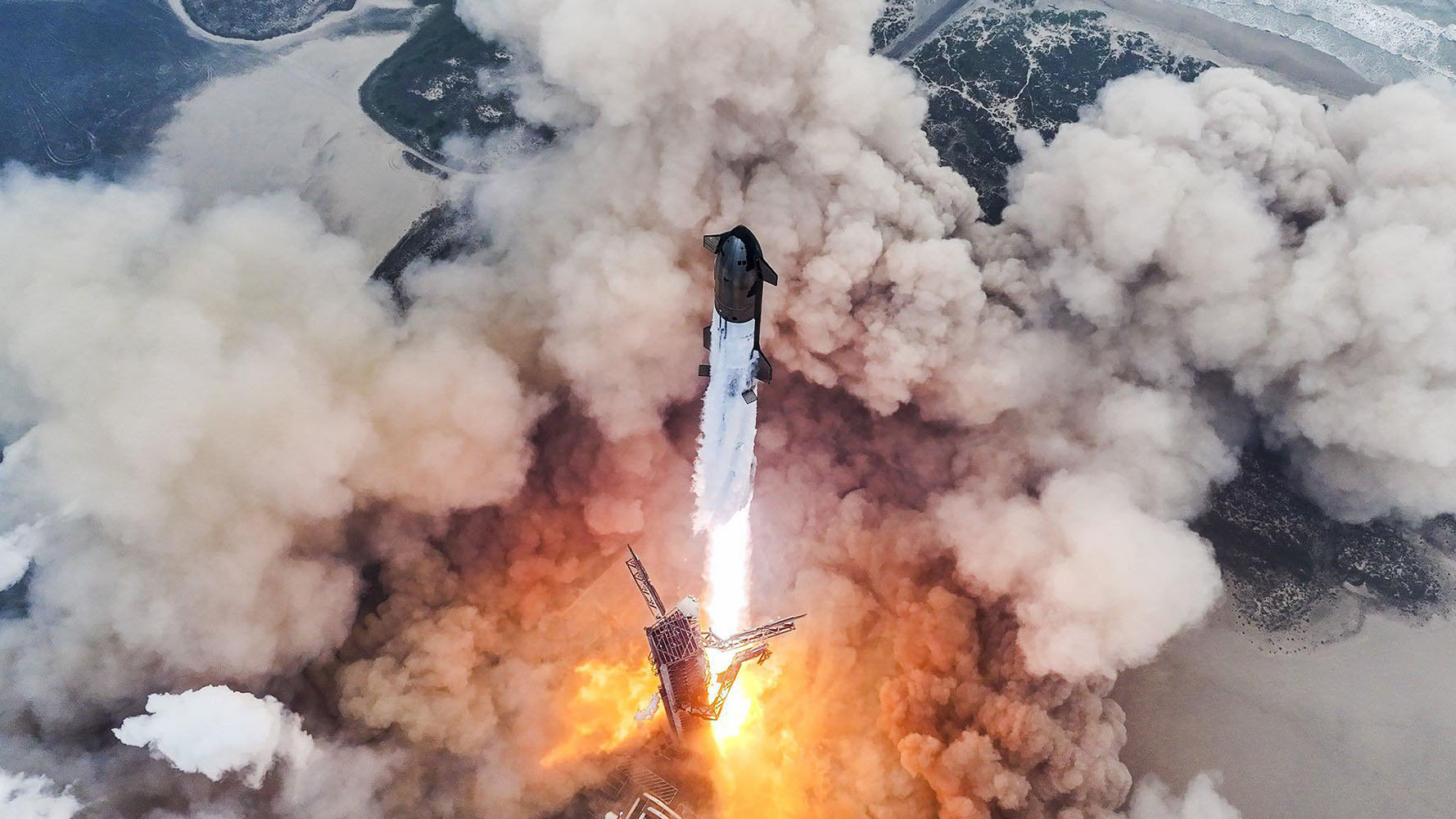
SpaceX Advances Flight Envelope Significantly With 4th Test Flight of Reusable Launch System The National Space Society applauds the successful fourth test flight of SpaceX’s
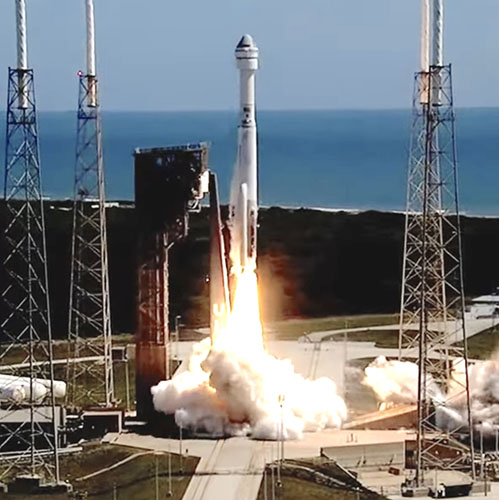
Boeing and ULA Join SpaceX in Providing Astronaut Access to the International Space Station On Wednesday, June 5, Boeing and United Launch Alliance successfully launched

Category: Nonfiction Reviewed by: Dale Skran Title: Reality Check Authors: Brad Wieners and David Pescovitz Format: Paperback Pages: 161 Publisher:

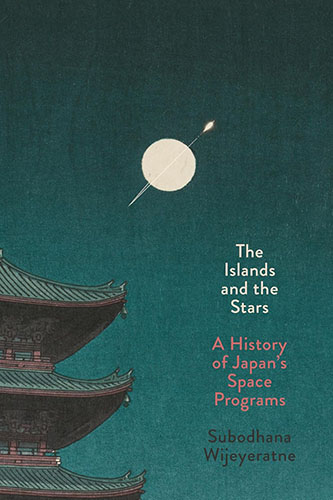
Category: Nonfiction Reviewed by: Mark Lardas Title: The Islands and the Stars: A History of Japan’s Space Programs Author: Subodhana Wijeyeratne Format: Hardcover/Paperback/Kindle
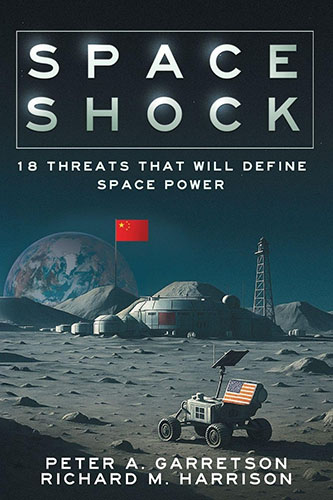
Category: Nonfiction Reviewed by: Casey Suire Title: Space Shock: 18 Threats That Will Define Space Power Authors: Peter A. Garretson
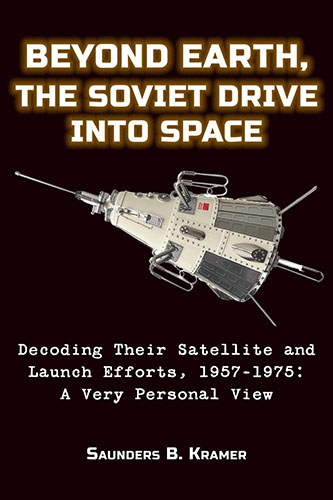
Category: Nonfiction Reviewed by: Douglas G. Adler Title: Beyond Earth, the Soviet Drive into Space: Decoding Their Satellite and Launch
Karlton Johnson, CEO and Chairman of the Board of Governors of the National Space Society, released a statement about the trans-lunar injection (TLI) of the
The National Space Society (NSS) is responding to the Office of Management and Budget’s proposed Fiscal Year 2027 budget for NASA. While the Society welcomes
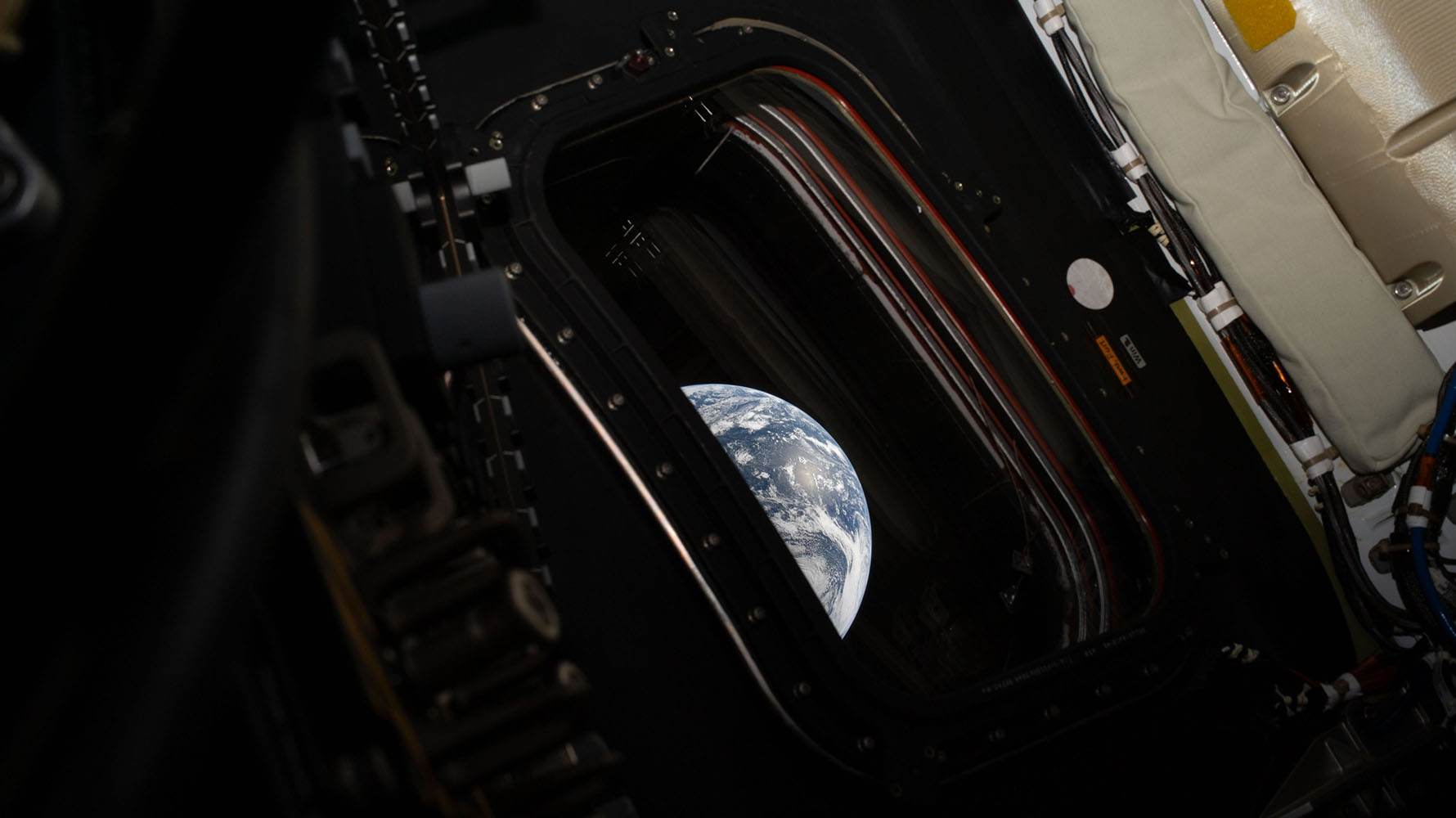
Orion Departs Earth Orbit — Humanity Returns to the Moon By Burt Dicht NSS Space Coast Correspondent Thursday, April 2 was the mission’s defining day.
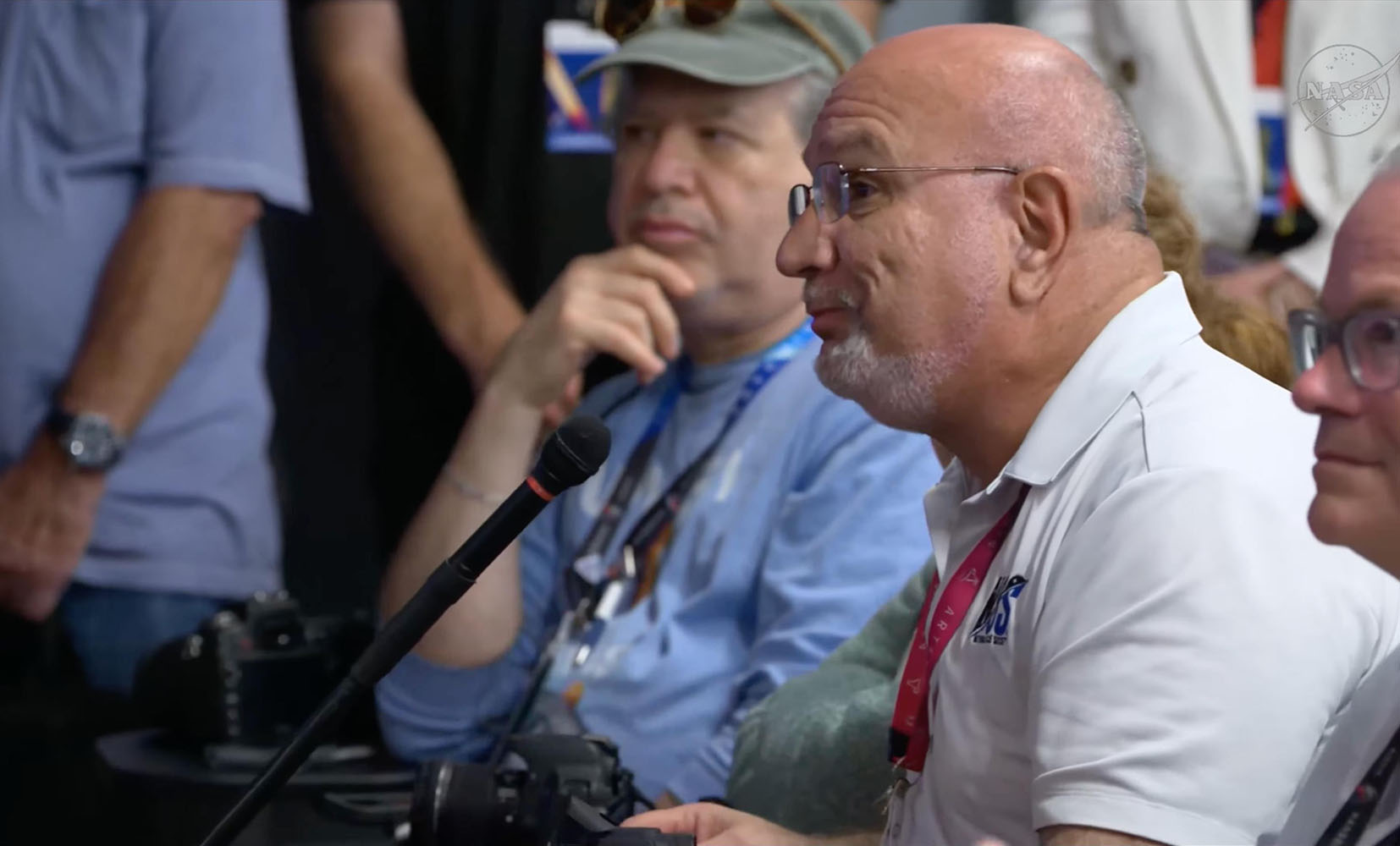
Story and Photos by Burt Dicht NSS Space Coast Correspondent Above: Burt asking a question at the April 1 NASA press conferences “Will it go?”
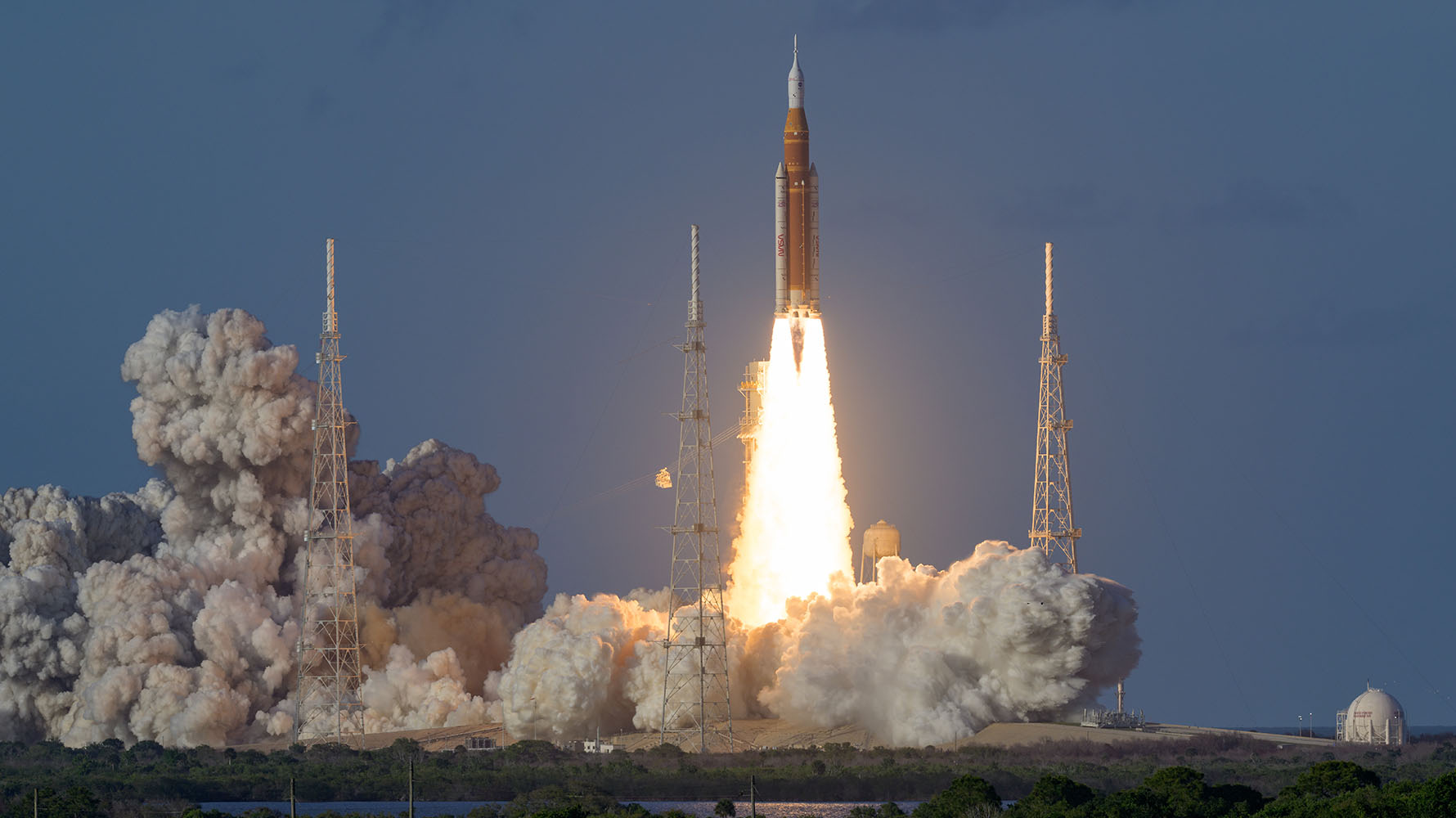
America is opening a new chapter of lunar exploration The National Space Society sends heartfelt congratulations to NASA, the crew of Artemis 2, and the
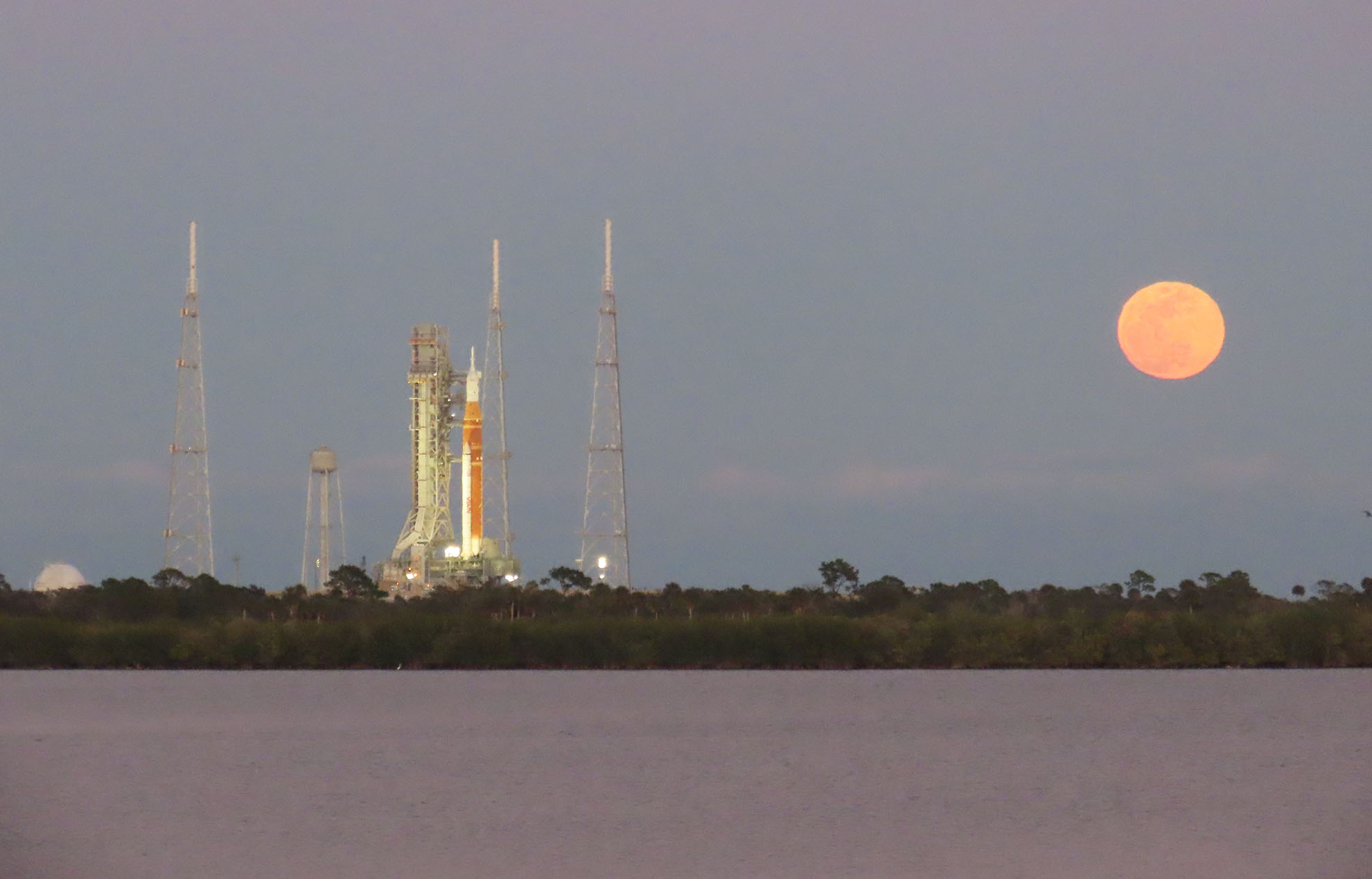
By Burt Dicht NSS Managing Director of Membership NSS Space Coast Correspondent Above: Artemis II on the launch pad with the Moon its target. Photo
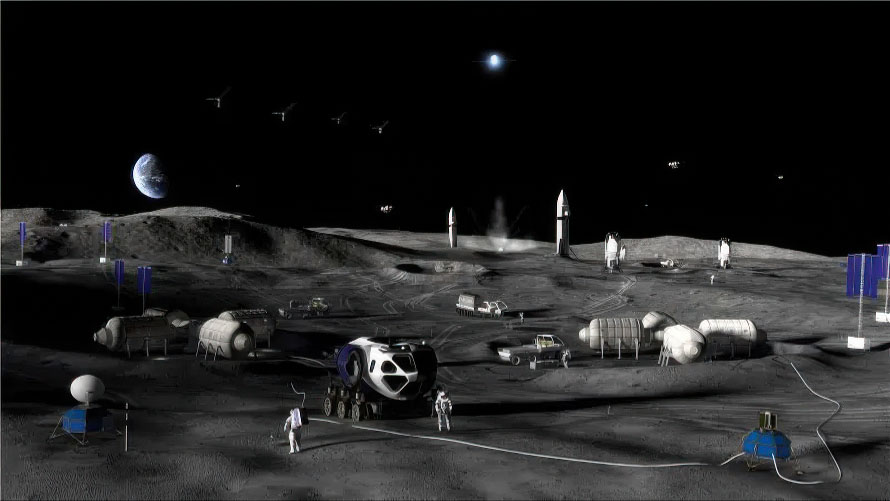
A new NSS Position Paper “Lunar Bases Should Be the Focus of Artemis” has just been released. Summary The National Space Society (NSS) argues that
By Burt Dicht NSS Space Coast Correspondent When NASA’s Apollo program sent humans to the Moon between 1969 and 1972, it took 400,000 engineers, scientists,