BYU engineers have teamed up with a world-renowned origami expert to solve one of space exploration’s greatest (and most ironic) problems: lack of space.
Working with NASA’s Jet Propulsion Laboratory, a team of mechanical engineering students and faculty have designed a solar array that can be tightly compacted for launch and then deployed in space to generate power for space stations or satellites.
Applying origami principles on rigid silicon solar panels – a material considerably thicker than the paper used for the traditional Japanese art – the BYU-conceived solar array would unfold to nearly 10 times its stored size.
“It’s expensive and difficult to get things into space; you’re very constrained in space,” said BYU professor and research team leader Larry Howell. “With origami you can make it compact for launch and then as you get into space it can deploy and be large.”
The current project, detailed in the November issue of the Journal of Mechanical Design, is propelled by collaboration between BYU, NASA and origami expert Robert Lang. Howell reached out to Lang as part of landing a $2 million National Science Foundation grant in 2012 to explore the combination of origami and compliant mechanisms. (Joint-less, elastic structures that use flexibility to create movement.)
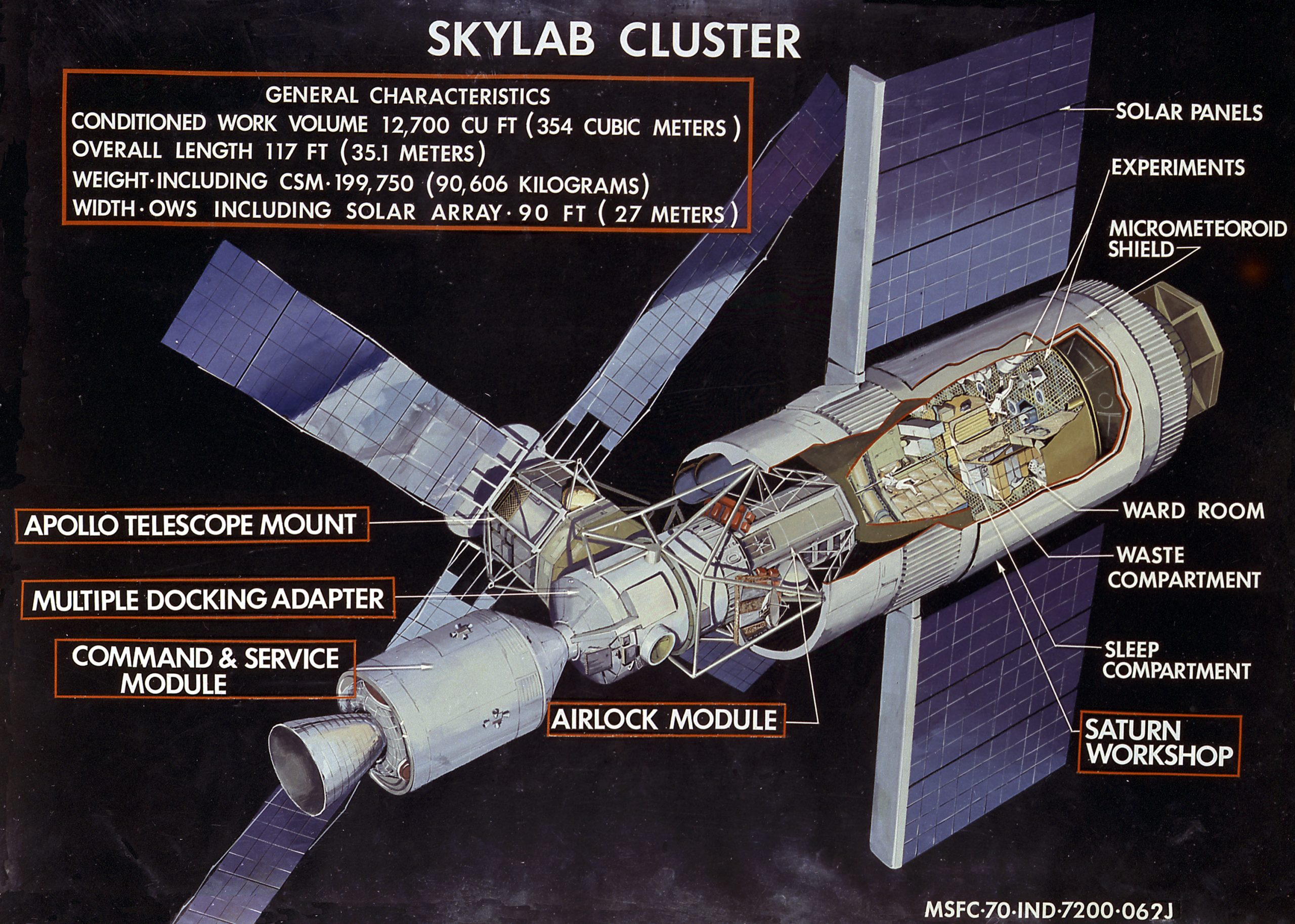
The particular solar array developed by the group can be folded tightly down to a diameter of 2.7 meters and unfolded to its full size of 25 meters across. The goal is to create an array that can produce 250 kilowatts of power. Currently, the International Space Station has eight solar arrays that generate 84 kilowatts of energy.
Howell said origami through compliant mechanisms is a perfect fit for space exploration: It is low cost and the materials can handle harsh solar environments.
“Space is a great place for a solar panel because you don’t have to worry about nighttime and there are no clouds and no weather,” he said. “Origami could also be used for antennas, solar sails and even expandable nets used to catch asteroids.”