
Scrubbed but Not Stopped
By Burt Dicht
NSS Managing Director of Membership
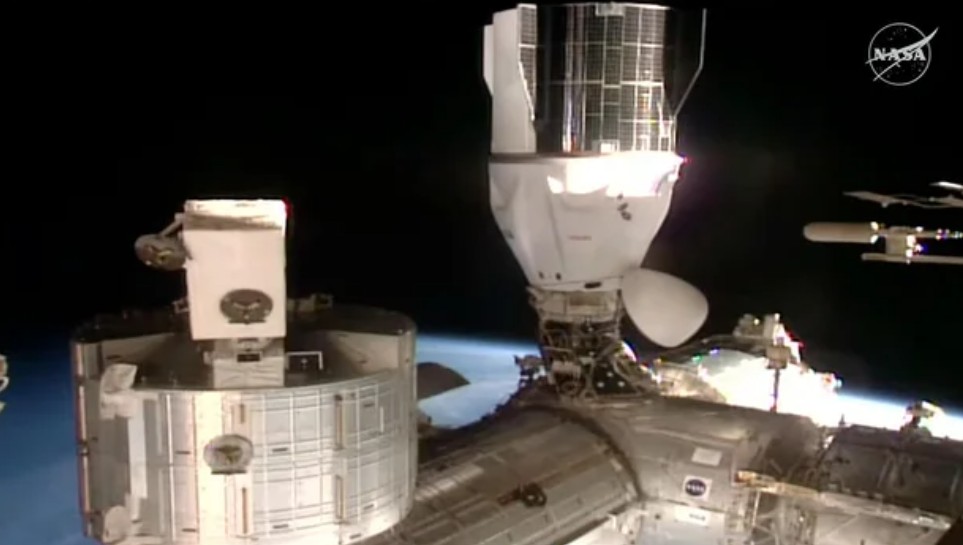
Image: Crew 11 docking to the ISS (NASA TV)
Yankee great Yogi Berra once said, “It ain’t over until it’s over.” That bit of wisdom applies surprisingly well to rocket launches. Paraphrasing Yogi: “There’s no rocket launch until there’s a rocket launch.”
That was clear during the Crew-11 mission to the International Space Station, which was scrubbed at T–1:09 on July 31 when clouds crept in and violated the strict weather safety margins required for liftoff. No matter how far the countdown clock winds down, the only measure that matters is ignition and liftoff.
Crew-11 eventually thundered off from Launch Complex 39A, riding atop a Falcon 9 rocket at 11:43 a.m. EDT on August 1, overcoming a similar threat from Florida’s ever-unpredictable summer weather. The wait may have been a bit longer, but the result was worth it—a flawless liftoff marking the start of another crewed journey to the ISS. This is the 11th operational crew rotation mission under NASA’s Commercial Crew Program, and the sixth flight of the Crew Dragon Endeavour spacecraft.
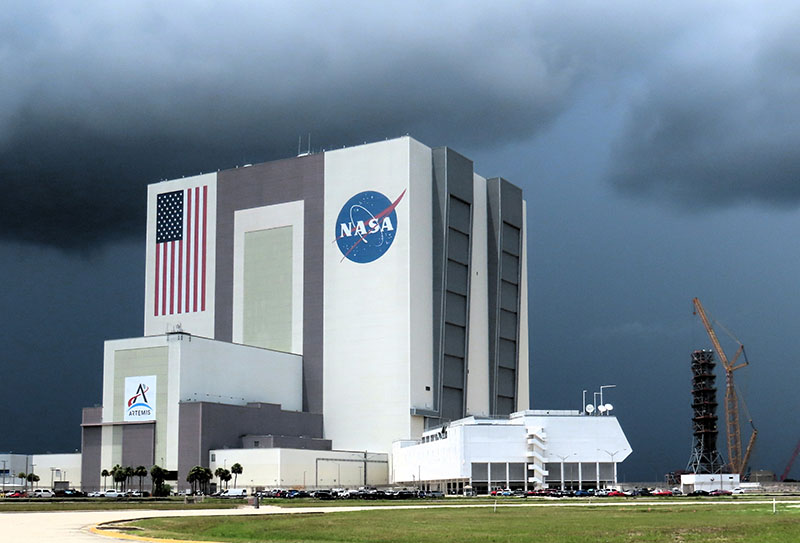
Storm Clouds over VAB after the launch (Image Credit: Burt Dicht)
The launch and ascent were normal, and the Falcon 9 first-stage booster B1094 successfully returned for a pinpoint landing at Landing Zone 1 (LZ-1) at Cape Canaveral Space Force Station. This was the final booster landing at LZ-1, as the site is being converted to support launch operations for other commercial rocket companies.
After reaching orbit, Endeavour chased the International Space Station and completed an automated docking at 2:26 a.m. EDT on Saturday, August 2, at the Harmony module’s zenith (space-facing) port. The docking occurred five years to the day after the splashdown of SpaceX’s first-ever crewed mission, Demo-2, which sent NASA astronauts Bob Behnken and Doug Hurley to the ISS for a two-month stay—also aboard Endeavour.
Once aboard, the Crew-11 astronauts joined the existing station team to begin their six-month mission conducting scientific research, maintaining critical systems, and supporting international outreach and education efforts. The Crew-11 arrivals include:
- Zena Cardman (NASA, Commander) – on her first spaceflight
- Michael Fincke (NASA, Pilot) – a veteran of three spaceflights, including two long-duration missions aboard the ISS
- Kimiya Yui (JAXA, Mission Specialist) – returning for his second spaceflight
- Oleg Platonov (Roscosmos, Mission Specialist) – on his first spaceflight
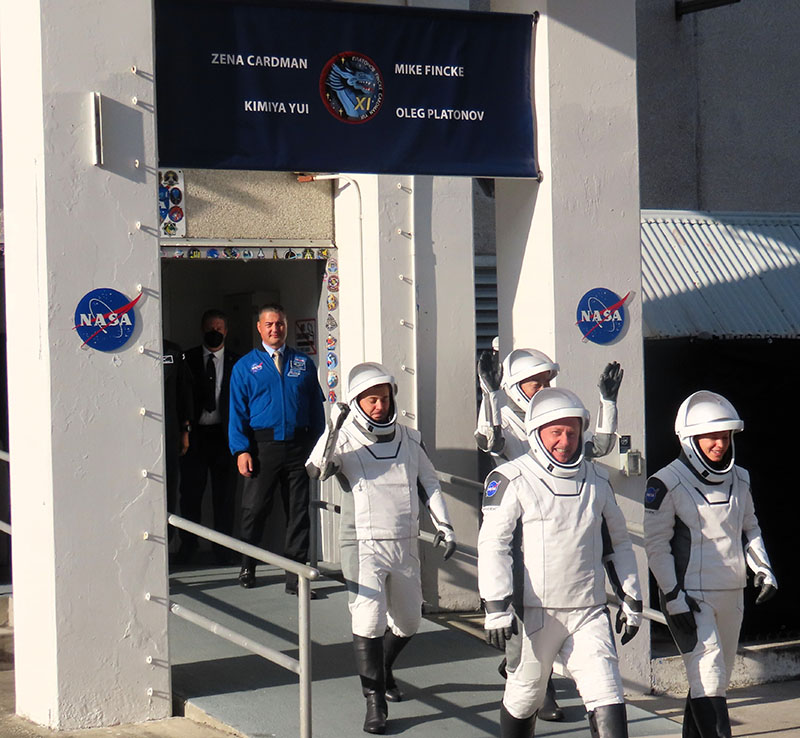
Crew 11 Walkout from Neil Armstrong Operations and Checkout Building (Image Credit: Burt Dicht)
Crew-11 joined Expedition 73 and will transition to Expedition 74 later in the mission. Over the coming months, the team will support a wide range of research, including studies on microgravity’s effects on plant biology and human health, along with experiments to support future Moon landings under NASA’s Artemis program.
After about three days of coordination and handover activities with Crew-10, the outgoing crew will return to Earh aboard Endurance no earlier than August 6. Crew-11’s stay might be extended to eight months as NASA is evaluating planning and budget considerations.
SpaceX has flown a total of 54 Dragon missions. Including commercial and private missions, 19 have been crewed flights. Across those missions, Crew Dragons have launched 74 astronauts from 20 countries, supported over 1,000 experiments, and delivered more than 300,000 pounds of cargo—an impressive track record that continues to demonstrate the growing role of commercial spaceflight in sustaining human presence in orbit.
From nearly missing the launch to arriving right on schedule, Crew-11 demonstrated that spaceflight remains a careful blend of preparation, patience, and precision. And for those watching—whether from Kennedy Space Center and the surrounding Space Coast, or from their living rooms—it’s still awe-inspiring to witness humans reach orbit, settle into station life, and continue our journey in space.
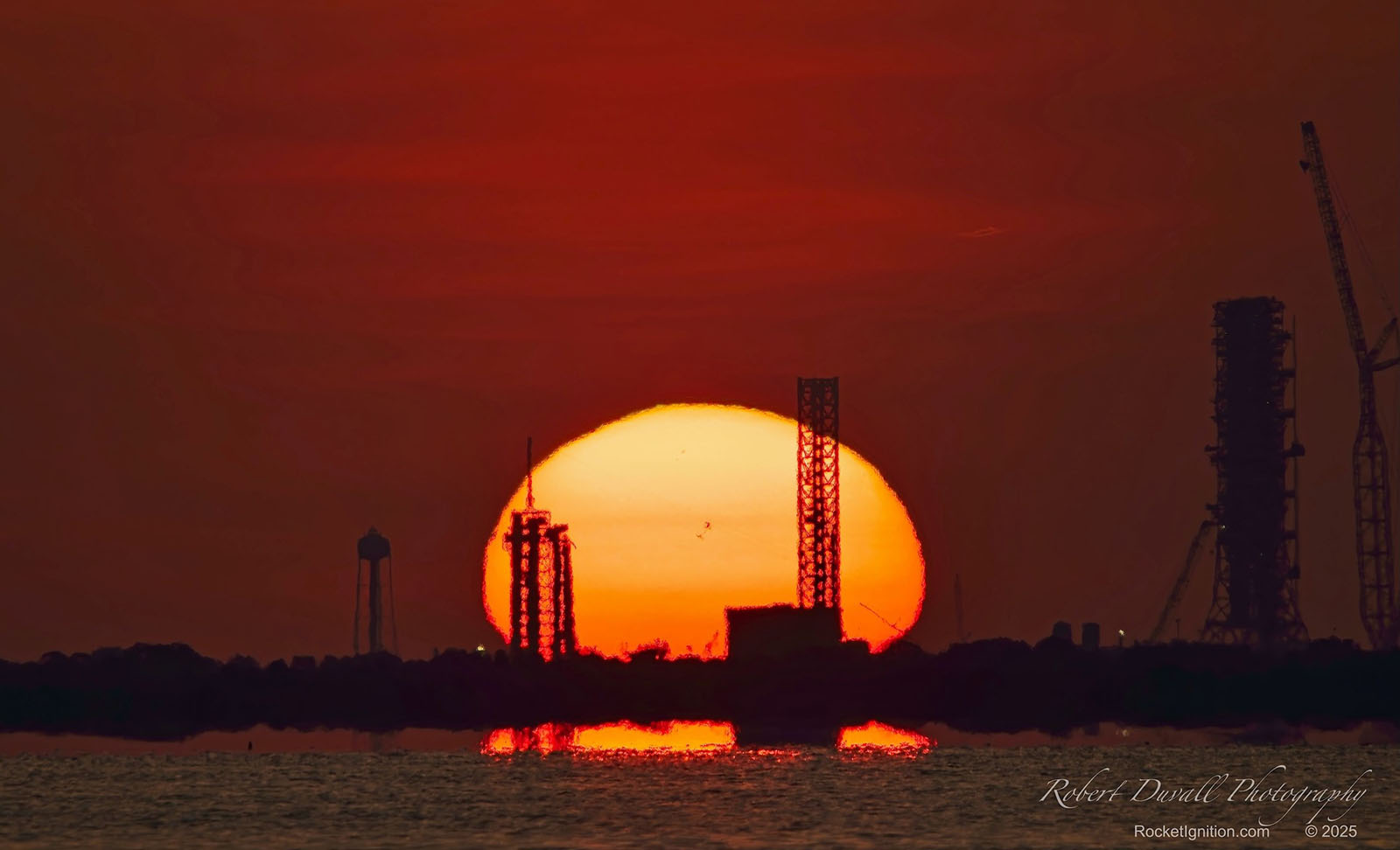
Sunrise over LC-39A on 1 August (Image Credit: ©Robert Duvall photography)

Crew-11 Liftoff from LC-39A (Image Credit: Burt Dicht)
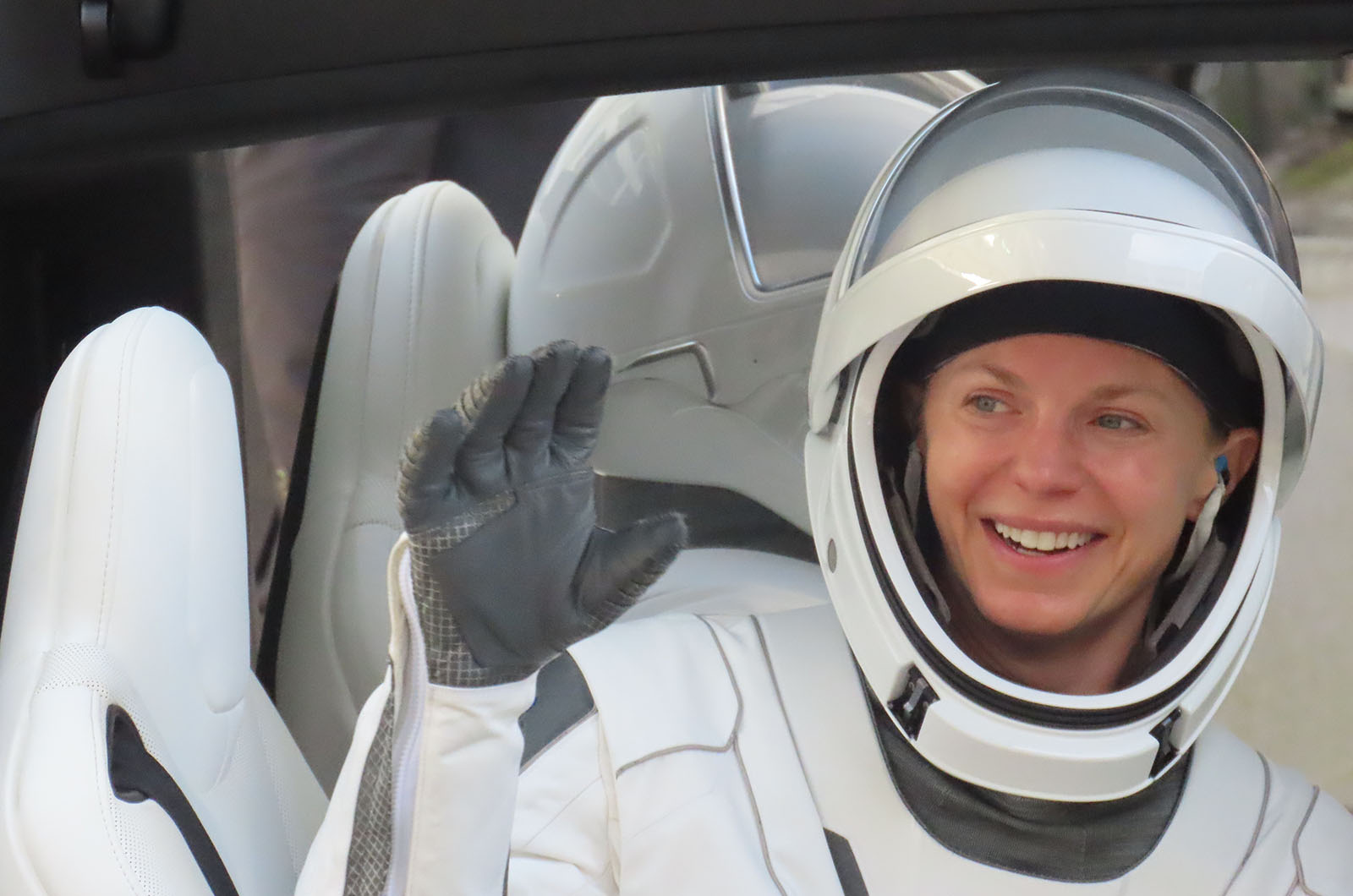
Zina Cardman waving goodbye to family and friends as she departs for the launch pad (Image Credit: Burt Dicht)
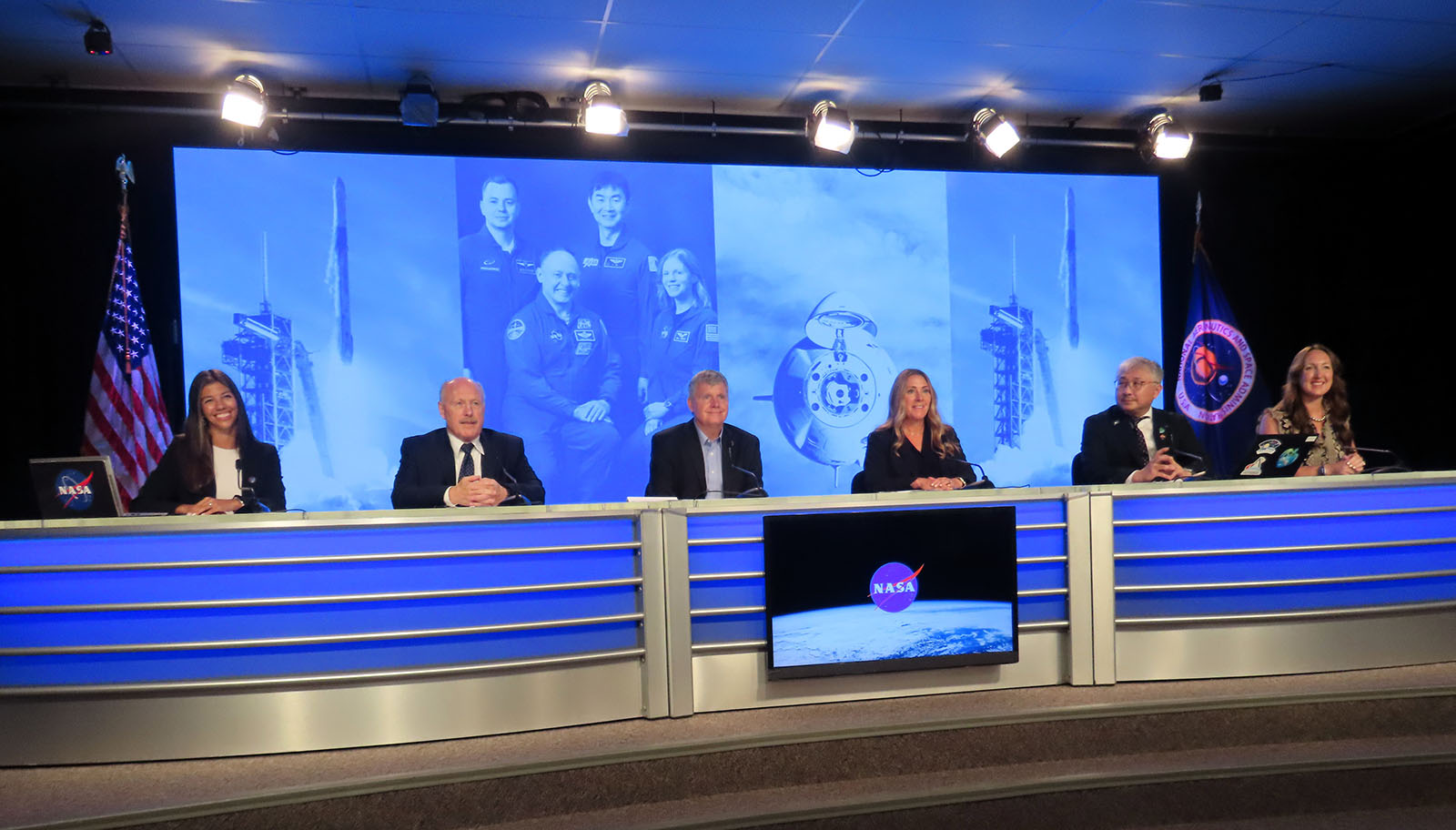
Post Launch Press Conference: from left, Antonia Jaramillo (NASA Communications), Ken Bowersox (associate administrator for NASA’s Space Operations Mission Directorate), Steve Stich (program manager for NASA’s Commercial Crew Program), Dana Wiegel (NASA’s International Space Station program manager), Kazuyoshi Kawasaki (JAXA) and Sarah Walker (SpaceX Dragon Mission Management Director) – (Image Credit: Burt Dicht)





1 thought on “Crew-11 Soars on Second Try”
Excellent article, Burt! As always, i appreciate your writing style and content very much. Super cool to be at the press site to nab (& share) these fantastic photos. Thank you!