
By Burt Dicht
NSS Managing Director of Membership
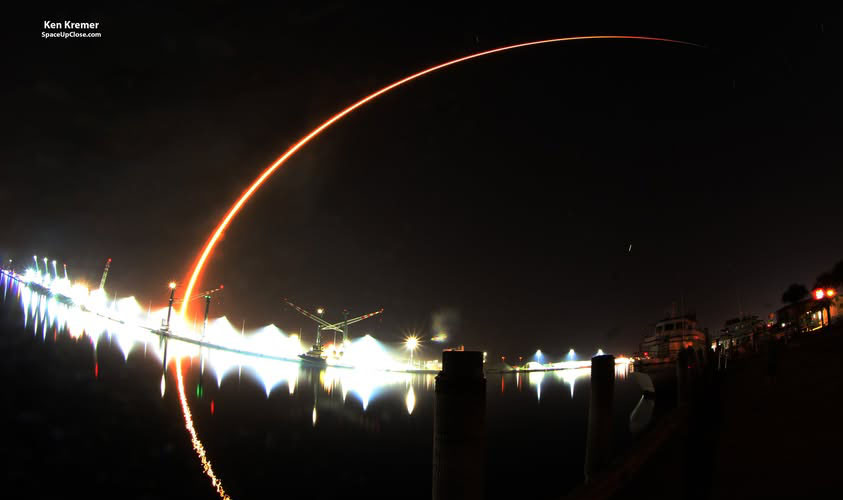
Image: 3.5 min timelapse of historic 100th launch as SpaceX Starlink 6-78 mission streaks to orbit between another Falcon 9 recovered booster and harbor hoisting crane in Port Canaveral (Image Credit: Ken Kremer- SpaceUpClose.com).
At 10:39 p.m. EST on November 20, a Falcon 9 lifted off from Pad 39A at the Kennedy Space Center carrying Starlink Group 6-78. I watched from Rotary Riverfront Park in Titusville—a perfect spot along the Indian River where the reflection on the water and the glow over the Cape remind you why Florida’s Space Coast is such a special place to witness rocket launches.
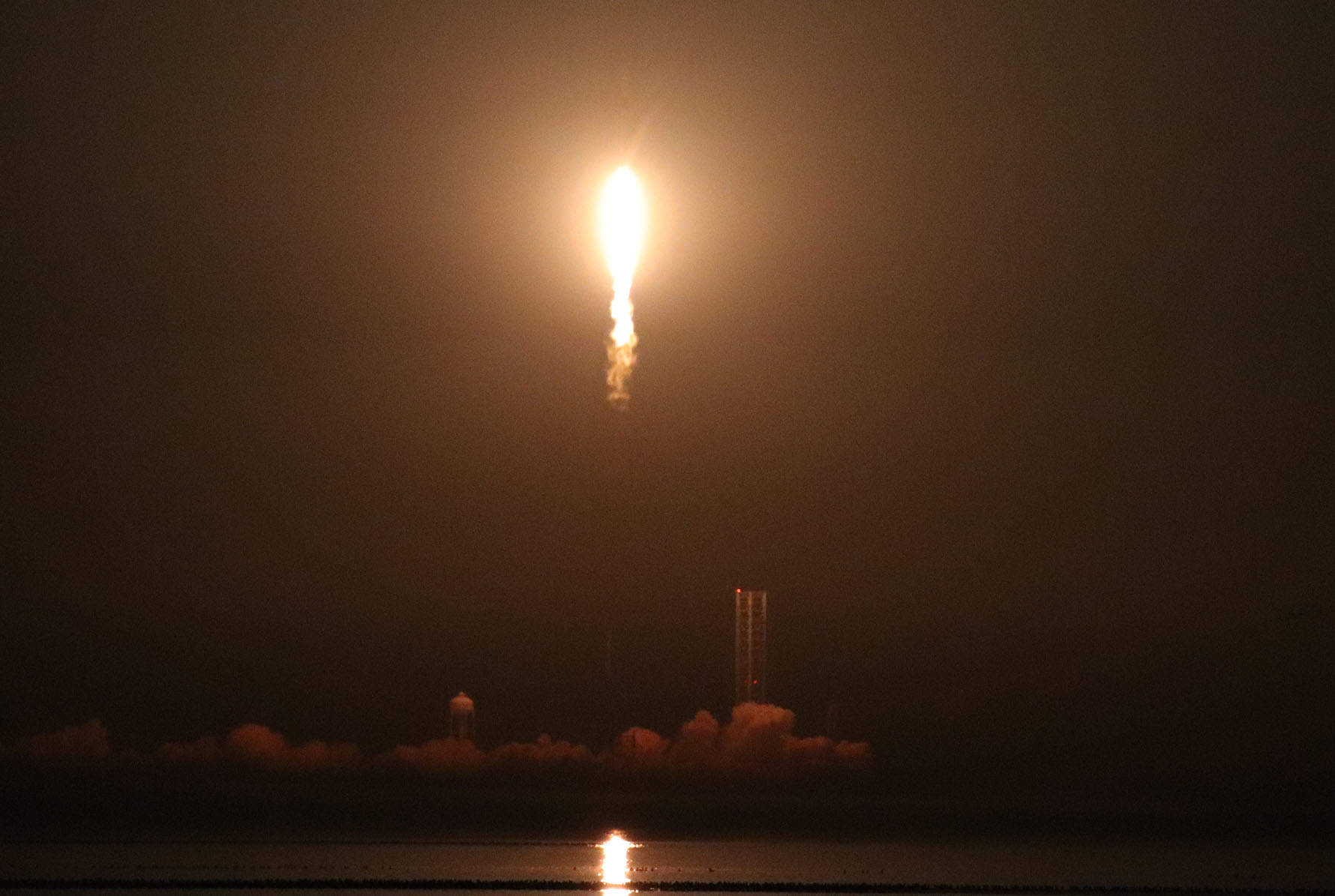
For those of us who live on or near the Space Coast, it’s easy to fall into that familiar rhythm of “another night, another launch.” We watch the arc rise into the sky, feel the rumble seconds later, and get ready for the next one.
But last night wasn’t routine. This mission marked a remarkable milestone: the 100th launch of the year from Kennedy Space Center (KSC) and Cape Canaveral Space Force Station (CCSFS)—the Eastern Range.
To put that into perspective, last year’s record was 93 launches. We’ve already surged past it, and with roughly 20 missions still left on the schedule, the number will climb even higher before December 31. And that says something powerful.
Florida’s Space Coast: The World’s Busiest Spaceport
Crossing the 100-launch threshold firmly establishes KSC and CCSFS as the most active spaceport on Earth—and underscores how dramatically the cadence has changed in just a few years:
- 2021: 31 launches
- 2022: 57 launches
- 2023: 74 launches
- 2024: 93 launches
- 2025: 100—and climbing
This incredible acceleration is driven by:
- SpaceX’s relentless tempo of Starlink deployments, commercial missions, cargo flights, and crewed launches
- United Lauch Alliance’s (ULA) Atlas V and Vulcan missions supporting national security, science, and exploration
- Blue Origin’s New Glenn flights adding new heavy-lift capability
- And an increasingly diverse mix of human spaceflight, science missions, commercial spacecraft, and deep-space probes
The Space Coast is no longer defined by a single dominant program—it’s a thriving, multi-provider launch ecosystem.
How We Got Here: A Legacy 75 Years in the Making
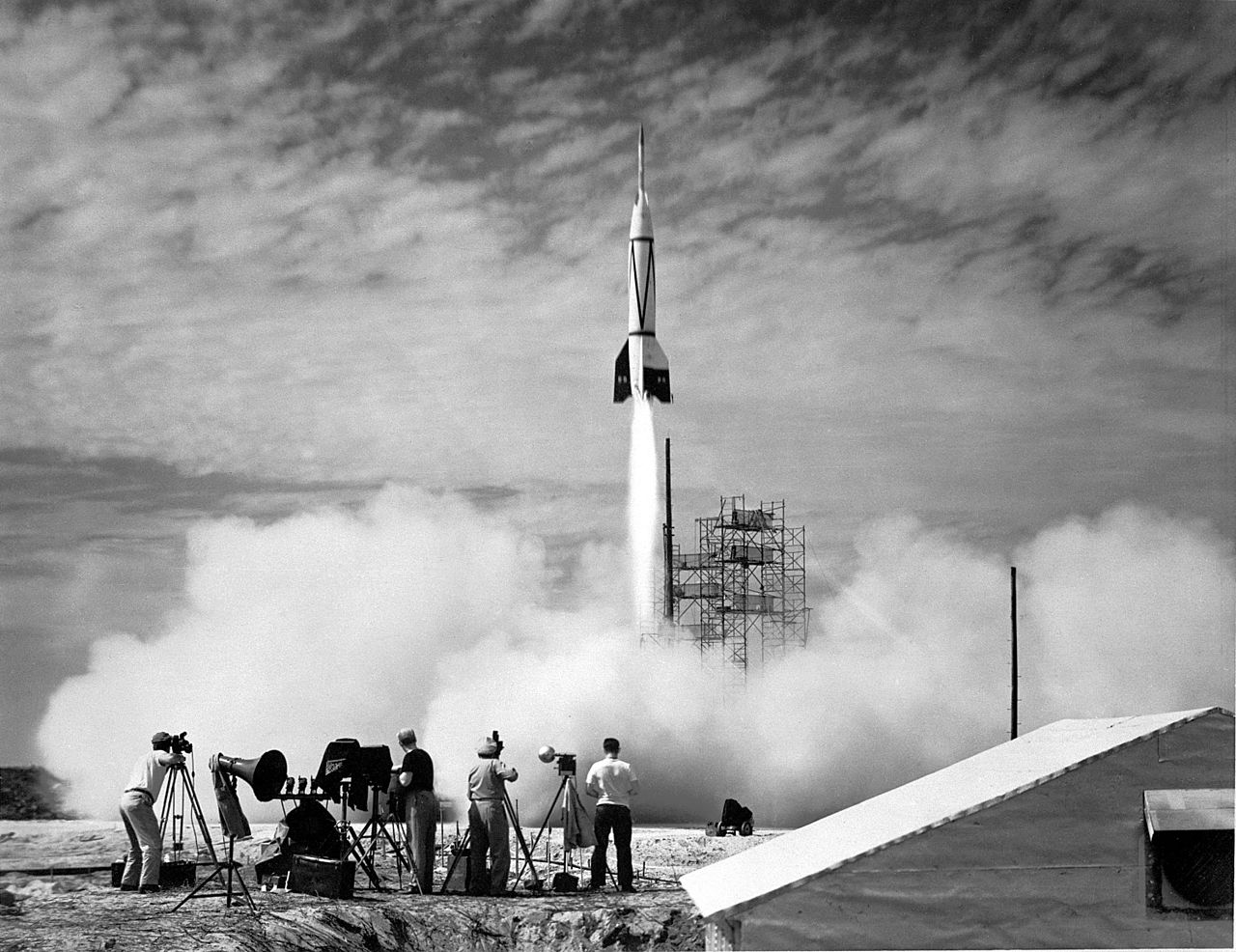
Yesterday’s milestone rests on a foundation that began 75 years ago in 1950, when Bumper 8—a modified V-2—became the first rocket to launch from Cape Canaveral. Since then, the Cape and Kennedy Space Center have supported every major U.S. human spaceflight program:
- Mercury and Gemini
- Apollo and the Moon landings
- Skylab and Shuttle
- ISS construction and operations
- Commercial Crew and Cargo
The heritage is extraordinary. But the cadence we’re seeing now represents something new—historic, yes, but also transformational.
The Infrastructure Behind the Cadence
Crossing 100 launches in a single year requires more than demand. It requires capability made possible through:
- Streamlined range operations from Space Launch Delta 45
- Strong NASA–Space Force–commercial partnerships
- Reusable launch systems, especially Falcon 9
- A modernized “Cape Canaveral Spaceport” model where civilian, military, and commercial partners work side-by-side
This is the 21st-century spaceport in action.
Why This Matters
This remarkable pace is reshaping more than the space coast’s landscape:
- The local economy is expanding with high-skilled aerospace jobs
- Spaceflight is becoming part of daily life, inspiring the next generation
- And the United States remains the global leader in both launch volume and mission diversity
A Milestone Worth Celebrating
Yes, last night’s Falcon 9 launch may have looked “routine,” but nothing about the bigger picture is routine. And from my own perspective, it never will be. No matter how many launches I’ve seen—from the Shuttle era through Falcon 9, Vulcan, and now New Glenn—each one still feels fresh and exciting. Standing along the river in Titusville last night, watching the sky light up, I felt that same sense of wonder all over again.
We are living through one of the most dynamic periods in spaceflight history, and the Space Coast is at the heart of it. The 100th launch isn’t just a number. It’s a marker of progress—of momentum—and of the future we’re building. And the best part? I’m looking forward to what comes next.



1 thought on “The Space Coast Hits 100 Launches—And We’re Not Done Yet”
Great post Burt. We all need to pause and reflect on the times we are living in. They are exciting indeed. Ad Astra.