New Office Reporting Directly to the Secretary of Transportation Would Keep the U.S. at the Forefront of Space Commerce and Development
The National Space Society (NSS) applauds the April 23 recommendation by the Commercial Space Transportation Advisory Committee (COMSTAC) to move the Office of Commercial Space Transportation, known as AST, out of Federal Aviation Administration (FAA) oversight. Moving the AST up in the Department of Transportation hierarchy would address concerns that it currently does not receive the resources and priority it needs to regulate a rapidly growing and increasingly complex space launch industry.
Dr. George Nield, a COMSTAC member, said, “Space has changed … and we need to figure out how to deal with that more quickly. So that means we need to have somebody at the table, flagging important issues, asking for decisions, getting feedback, and raising other concerns.”
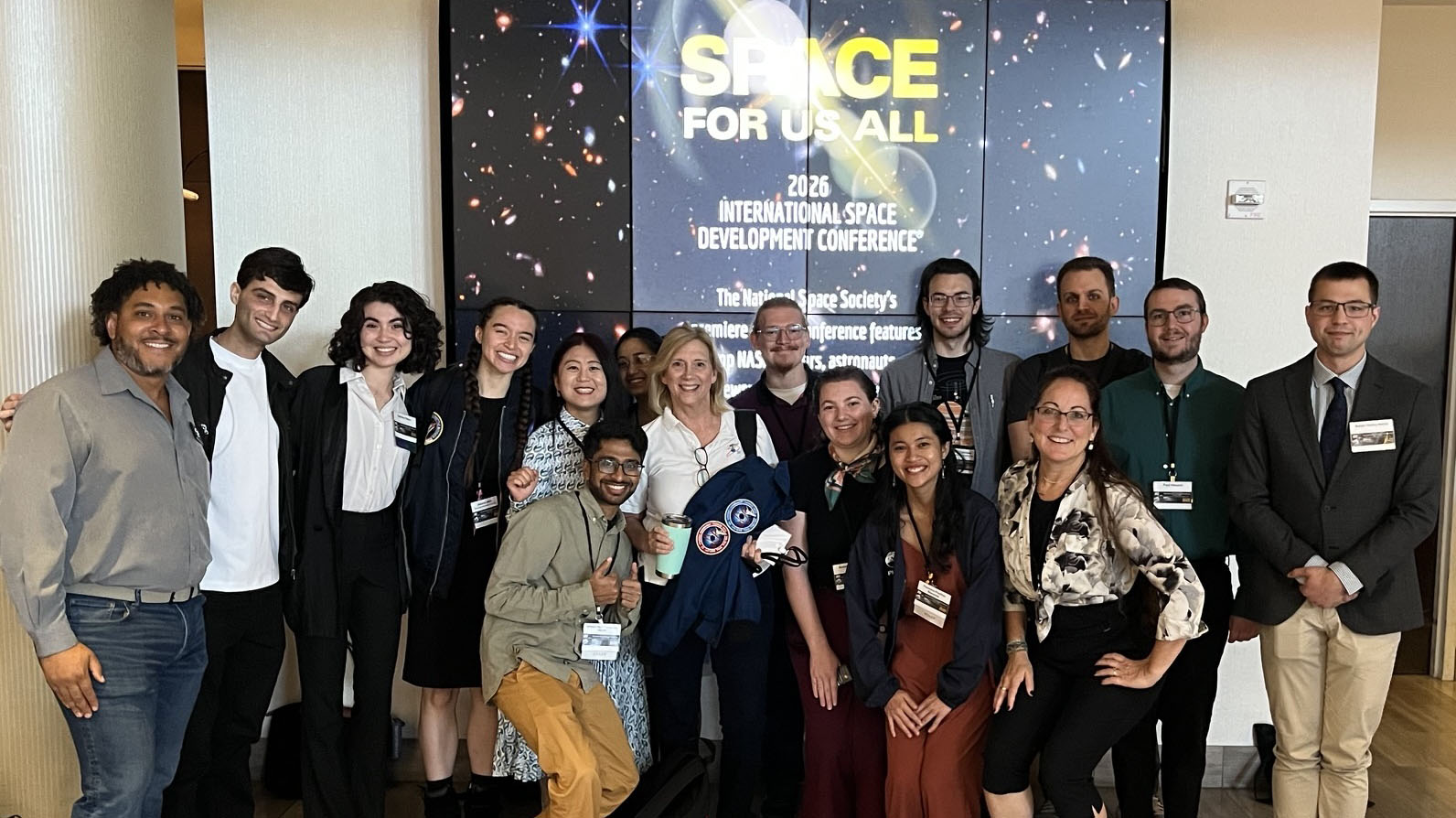
The National Space Society supports independence from the FAA for the Office of Commercial Space Transportation. In March, NSS and its partner organizations conducted a citizen advocacy event on Capitol Hill through the Alliance for Space Development (ASD) co-led by the Space Frontier Foundation.
“Elevating AST out of the FAA was one of our primary goals in our meetings with Congress. The idea attracted a lot of attention on the Hill,” said Jonathan Dagle, NSS Policy Chair. “We met with about 70 offices, combining our efforts with the Space Frontier Foundation and other ASD member organizations. Citizen advocacy is just one example of how groups like the National Space Society enable people to make a difference and help set the conditions to ensure humanity’s future in space.”
Other government initiatives championed by NSS and ASD include the extension of the “learning period” for commercial human spaceflight, and a new examination of the commercial viability of space-based solar power, a technology that has a minimal carbon footprint and could address many concerns about climate change and provide affordable green energy.